English
 Español
 Português
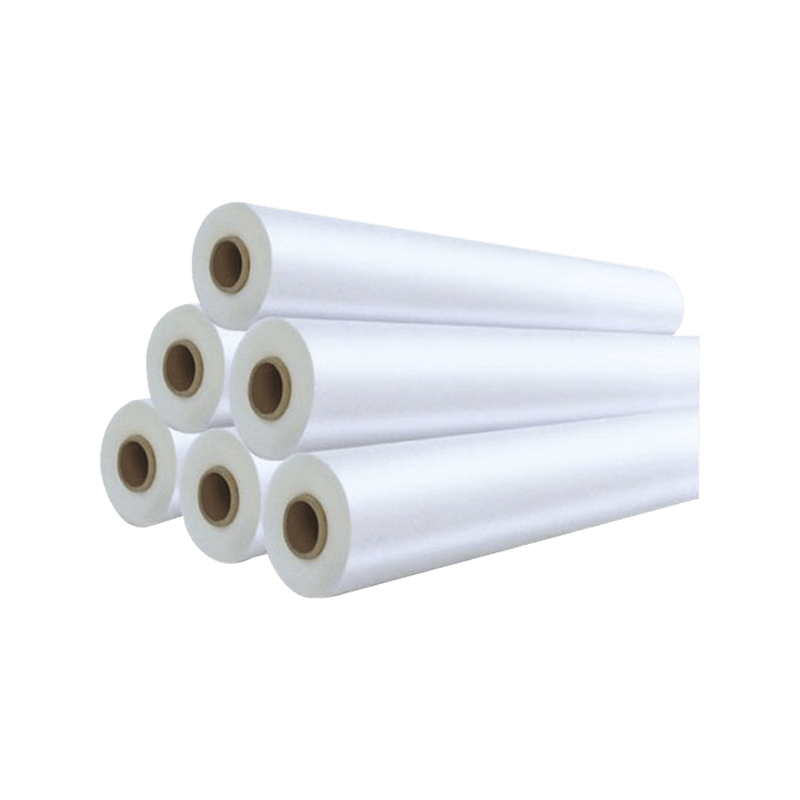
EVA film (ethylene-vinyl acetate copolymer) is a multifunctional material, and its main advantages a...
See Details
Industry News
Home / News / Industry News / What Storage Conditions Does EVA Film Need to Maintain Its Performance?
What Storage Conditions Does EVA Film Need to Maintain Its Performance?
Date:Jul 01, 2026
Why Storage Conditions Matter for EVA Film
Ethylene-vinyl acetate (EVA) film is widely used across solar panel encapsulation, laminated glass interlayers, agricultural greenhouse covers, and flexible packaging. Its performance depends heavily on the integrity of its polymer matrix, crosslinking agents, and surface adhesion chemistry — all of which are sensitive to environmental exposure. Poor storage conditions can initiate premature crosslinking, surface oxidation, moisture absorption, or mechanical deformation long before the film ever reaches the production line. Understanding and controlling storage conditions is therefore not a secondary concern but a direct factor in determining whether EVA film delivers its rated performance in the final application.
Unlike many packaging films that degrade slowly and visibly, EVA film can suffer invisible property changes — such as partial crosslink activation or plasticizer migration — that only manifest as defects during lamination or after field deployment. This makes proactive storage management far more valuable than reactive quality inspection at the point of use.
Temperature: The Most Critical Storage Variable
Temperature is the single most impactful storage variable for EVA film. Most EVA film formulations, particularly those used in photovoltaic (PV) encapsulation, contain peroxide-based or non-peroxide crosslinking agents that are thermally activated. If the film is stored at elevated temperatures, these agents can begin to react prematurely, consuming the crosslinker before the lamination process and resulting in incomplete or uneven crosslinking in the finished product. This directly reduces the film's light transmittance, adhesion strength, and long-term weathering resistance.
The recommended storage temperature for standard EVA film is between 5°C and 25°C (41°F to 77°F). Storage above 30°C accelerates crosslinker decomposition and increases the risk of blocking — where adjacent film layers fuse together under pressure and heat, making roll unwinding difficult or impossible without tearing. In tropical or summer warehouse environments where ambient temperatures routinely exceed 35°C, active climate control in the storage area is not optional; it is a process requirement.
At the lower end, EVA film should not be stored below 0°C for extended periods. Sub-zero temperatures can cause the film to become brittle and prone to cracking or tearing during handling and unwinding, particularly at the edges where the film is thinnest. If film is transported or temporarily stored in cold conditions, it must be allowed to equilibrate to room temperature before unwinding begins.
Humidity and Moisture Control
EVA film has a moderate susceptibility to moisture absorption, particularly at the film surface and edges of rolls. Absorbed moisture can interfere with adhesion during lamination, leading to delamination, bubble formation, or haze in the finished laminate. In solar encapsulation applications, moisture ingress into the EVA layer after lamination is a known degradation pathway; however, moisture absorbed during storage before lamination can also compromise the adhesion interface between the film and the glass or backsheet.
The recommended relative humidity (RH) for EVA film storage is 40% to 70% RH. Storage above 80% RH, especially combined with elevated temperatures, can cause visible surface cloudiness, edge swelling, and a tacky surface texture that accelerates blocking. Very low humidity environments (below 30% RH) are generally less damaging but can increase static charge buildup on the film surface, attracting dust and particulate contamination.
In practice, EVA film rolls should always be stored in their original sealed packaging until the point of use. The packaging typically consists of a moisture-barrier PE or foil bag with desiccant, which buffers the microenvironment around the roll from ambient fluctuations. Once opened, rolls should be used within the timeframe specified by the manufacturer — commonly within 3 to 7 days for PV-grade EVA film in a controlled workshop environment.
Light and UV Exposure During Storage
EVA film contains UV stabilizers and antioxidants formulated to protect the polymer matrix during its service life in the field. However, these additives have a finite capacity. Prolonged exposure to UV light or direct sunlight during storage gradually depletes these stabilizers before the film is even used. The result is a film that enters service with a reduced UV resistance budget, leading to earlier onset of yellowing, embrittlement, or loss of adhesion in the field.
EVA film rolls must be stored away from direct sunlight and artificial UV sources such as mercury vapor lamps. Opaque packaging or black PE bags are standard for this reason. Even in indoor warehouses with skylights or UV-transmitting polycarbonate roofing panels, film should be positioned away from areas receiving direct sunlight. A simple but effective rule is that any location where the film packaging feels warm to the touch from radiant heat is unsuitable for storage.
Stacking, Orientation, and Mechanical Load
Physical storage orientation and load management are often overlooked but have significant practical consequences for EVA film quality. Rolls stored horizontally with excessive stacking height can deform under the weight of upper rolls, causing the film to develop permanent creases, flat spots, or uneven tension across the roll width. These deformations translate directly to handling problems during unwinding and can cause tracking issues on automatic laminators.
The following stacking and handling guidelines apply to most standard EVA film roll formats:
- Store rolls horizontally on padded racks or pallets, with the roll axis parallel to the floor and the core supported at both ends to prevent core crush.
- Limit horizontal stack height to no more than three rolls for standard 500-meter rolls; reduce to two for wide-format or heavy rolls exceeding 100 kg.
- Do not store rolls vertically (on their ends) for extended periods, as this causes uneven tension across the roll width and can lead to telescoping or edge damage.
- Keep rolls at least 200 mm off the floor to prevent moisture wicking from concrete surfaces and to allow forklift access without edge damage.
- Avoid placing heavy objects on top of palletized rolls; even short-duration point loads can cause localized deformation in the outer layers.
Recommended Storage Parameters at a Glance
The table below consolidates the key storage parameters for EVA film as typically specified by manufacturers of PV encapsulation and laminated glass grades:
| Storage Parameter | Recommended Range | Risk if Exceeded |
| Temperature | 5°C – 25°C | Premature crosslinking, blocking, brittleness |
| Relative humidity | 40% – 70% RH | Surface haze, edge swelling, adhesion loss |
| UV / light exposure | No direct sunlight or UV sources | Stabilizer depletion, premature yellowing |
| Maximum shelf life (sealed) | 12 months from manufacture | Crosslinker degradation, reduced gel content |
| Max stack height (rolls) | ≤ 3 rolls high | Core crush, flat spots, winding deformation |
| Floor clearance | ≥ 200 mm | Moisture wicking, edge contamination |
Shelf Life and Inventory Rotation
Even under optimal storage conditions, EVA film has a defined shelf life — typically 12 months from the date of manufacture for most PV encapsulation grades, and up to 18 months for some specialty formulations with stabilized crosslinker systems. Beyond this period, the crosslinking agent may have partially degraded, leading to reduced gel content after lamination. Lower gel content directly reduces the film's mechanical cohesion, moisture resistance, and UV stability in service.
Strict first-in, first-out (FIFO) inventory management is essential for warehouses holding significant volumes of EVA film. Rolls should be clearly labeled with the manufacture date and lot number upon receipt, and inventory tracking systems should generate alerts when stock approaches its expiry date. Film that has exceeded its shelf life should not be used in critical applications without first conducting incoming quality checks, including crosslink density testing (gel content measurement per IEC 62788 or equivalent) and peel adhesion testing against the intended substrate.
Handling Practices That Protect Film Integrity
Storage conditions extend beyond the warehouse environment to include every handling touchpoint from receipt to production. Several common handling errors can damage EVA film even when warehouse conditions are otherwise well controlled:
- Impact damage during transport: Rolls dropped or rolled across rough surfaces can develop internal delamination between film layers or core damage that causes uneven tension during unwinding. All rolls should be moved using roll clamps or core-support cradles, not dragged or dropped.
- Thermal shock on receipt: Film delivered in refrigerated containers to a warm warehouse should be allowed to reach ambient temperature gradually — typically 12 to 24 hours inside the sealed packaging — before the packaging is opened. Opening cold film into a warm, humid environment immediately causes condensation on the film surface.
- Contamination from gloves or tools: Silicone-based release agents, oils, and certain plasticizers commonly present on gloves and handling equipment can contaminate the EVA surface and impair adhesion. Clean cotton or nitrile gloves should be used when handling unwound film sections.
- Rewinding partially used rolls: If a roll is partially used and needs to be returned to storage, the exposed film edge should be covered with the original packaging or a clean PE sleeve before resealing. Exposed edges left uncovered absorb moisture and dust preferentially, leading to edge-quality issues in the next production run.
Storage Differences Between EVA Film Grades
Not all EVA film grades have identical storage requirements, and it is important to consult the technical data sheet (TDS) for each specific product. Key differences between grades include:
Standard vs. Fast-Cure PV Encapsulant Film
Fast-cure EVA formulations contain higher concentrations of crosslinking initiators to enable shorter lamination cycles. These films are inherently more sensitive to temperature during storage — even modest temperature excursions above 28°C can measurably reduce the available crosslink density. Fast-cure grades are sometimes specified with a lower maximum storage temperature of 20°C and a shorter shelf life of 6 to 9 months.
Agricultural Greenhouse Film Grade
EVA films formulated for greenhouse covers typically contain higher VA content (18–28%) and different UV additive packages compared to PV grades. These films are generally less sensitive to premature crosslinking (as they are not crosslinked products) but more sensitive to UV exposure during storage due to their high-clarity, low-additive formulations. Storage in UV-opaque packaging is especially important for agricultural grades.
Practical Checklist for EVA Film Storage Compliance
Implementing consistent storage practices across a production facility requires clear, actionable standards. The following checklist can be used as a basis for internal storage protocols or supplier audits:
- Warehouse temperature is actively monitored and maintained between 5°C and 25°C year-round, with continuous data logging.
- Relative humidity is monitored and maintained between 40% and 70% RH; dehumidifiers or humidifiers are deployed seasonally as needed.
- All EVA film rolls are stored on racking systems with core support, minimum 200 mm floor clearance, and no more than three rolls stacked horizontally.
- Rolls remain in sealed original packaging until production use; opened rolls are resealed within 24 hours if not fully consumed.
- Inventory is managed on FIFO basis with manufacture date and lot number logged at goods receipt.
- Film approaching or past its stated shelf life is quarantined and subjected to incoming quality testing before use.
- Temperature excursion events are documented; affected batches are flagged for inspection before release to production.
By treating EVA film storage as an integral part of the production quality system — rather than a passive warehousing activity — manufacturers can significantly reduce lamination defect rates, extend roll usable life, and ensure that the film entering the production process delivers the crosslink density, adhesion strength, and optical performance specified for the end application.
Content
- 1 Why Storage Conditions Matter for EVA Film
- 2 Temperature: The Most Critical Storage Variable
- 3 Humidity and Moisture Control
- 4 Light and UV Exposure During Storage
- 5 Stacking, Orientation, and Mechanical Load
- 6 Recommended Storage Parameters at a Glance
- 7
- 8 Shelf Life and Inventory Rotation
- 9 Handling Practices That Protect Film Integrity
- 10 Storage Differences Between EVA Film Grades
- 11 Practical Checklist for EVA Film Storage Compliance
Recommended Articles
Related products
-

-
Heat Sealable PET film is different from traditional PET film. While maintaining the excellent perfo...
See Details -
PET/PE laminated film is a method for dry composite processing, where PE film and PET film are lamin...
See Details -
AL/PE Laminate Film combines the barrier properties of aluminum foil with the flexibility and heat-s...
See Details -
This dual-layer structure significantly improves barrier properties, durability, and cost-effectiven...
See Details -
AL/BOPP Laminate Film is a composite film made by laminating aluminum foil with biaxially BOPP film....
See Details