English
 Español
 Português
AL/PE Woven Fabric is a high-performance composite material made by laminating premium aluminum foil...
See Details
EN

Industry News
Home / News / Industry News / China Aluminum Foil Woven Fabric Supplier: Laminate Grades, Uses and Sourcing Tips
China Aluminum Foil Woven Fabric Supplier: Laminate Grades, Uses and Sourcing Tips
Date:Aug 11, 2026
What to Consider When Choosing a China Aluminum Foil Woven Fabric Supplier
HVAC manufacturers need a vapor barrier for duct insulation. Building distributors need a reflective moisture barrier for roof and wall systems. Both groups usually end up searching for the same thing: a China aluminum foil woven fabric supplier. On paper the material sounds basic — a sheet that resists tearing, reflects radiant heat, and blocks moisture. In practice, quality swings a lot from factory to factory, and a low quote often hides a weaker adhesive bond, inconsistent roll tension, or missing test documentation.
Buyers who get good results tend to treat sourcing as a spec exercise rather than a price comparison. They lock down the laminate structure first, ask the factory to show its process controls, then request evidence before committing to a production run. Skipping straight to a single sample roll usually costs more time later than it saves upfront.
What Is Aluminum Foil Woven Fabric?
Aluminum foil woven fabric is a laminate: a thin aluminum foil layer, usually 6 to 8 microns, bonded to a woven backing such as PE yarn. The foil handles radiant heat reflection and vapor resistance. The woven layer takes the mechanical load — punctures, impact, repeated flexing during installation.
Standard roll width runs around one meter, though slitting capacity varies by factory and custom widths are common. Some constructions add a flame-retardant layer, a coated foil face, or a reinforced scrim, and each of these changes how the finished sheet performs. Buyers should be specific about which one they're asking for. At Hangzhou Ding He, a common baseline is the aluminum foil laminated PE woven fabric, which pairs a functional foil surface with a durable woven backing for insulation, packaging, and moisture-control uses.
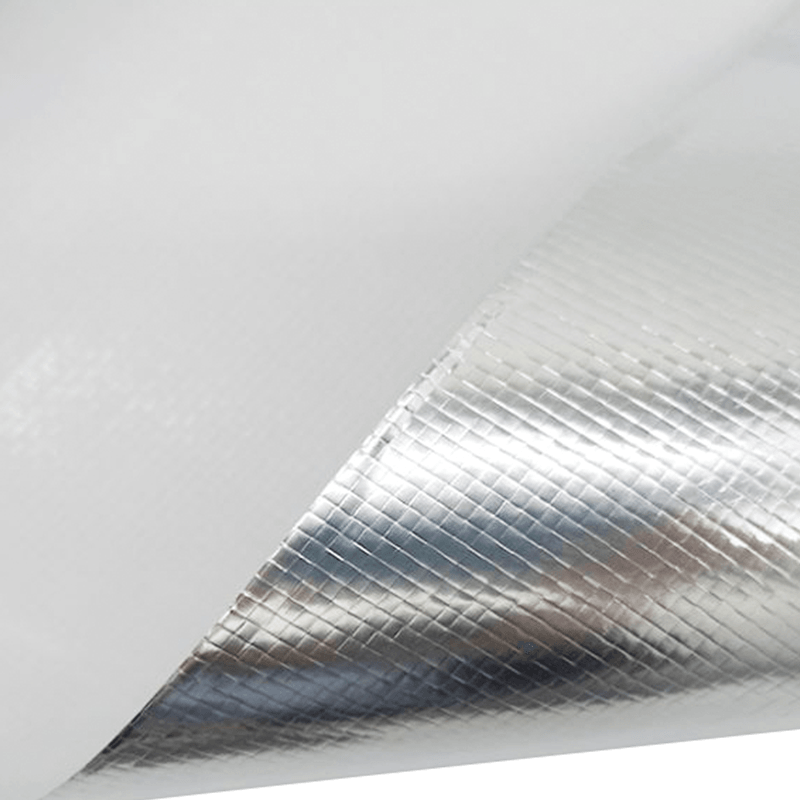 Aluminum Foil Laminate PE Woven Fabric Manufacturers, Suppliers, Custom Factory As China Aluminum Foil Laminate PE Woven Fabric Manufacturers, Aluminum Foil Laminate PE Woven Fabric Suppliers and Aluminum Foil Laminat...View Product →
Main Applications and Where the Material Delivers Value
What makes this laminate useful across so many industries is that it combines two things rarely found in one film: thermal reflectivity and tensile strength. Where each property matters most depends on the application.
HVAC Ducting and Ventilation Systems
Duct fabricators use aluminum foil woven fabric as a facing over insulation panels, as a vapor barrier inside duct liners, and as a protective outer wrap. The foil face reflects radiant heat away from the duct core. The fabric backing takes the abuse of cutting, folding, and fastening on the shop floor — a torn facing at this stage can undermine the entire insulation package, which is why tear resistance often matters more than raw foil thickness.
Our HVAC ducting section covers material selection for this segment in more detail. Projects that also need rigidity or high-temperature resistance often move to glass-fiber-reinforced constructions like the aluminum foil fiberglass fabric laminate film, which holds its shape better under heat.
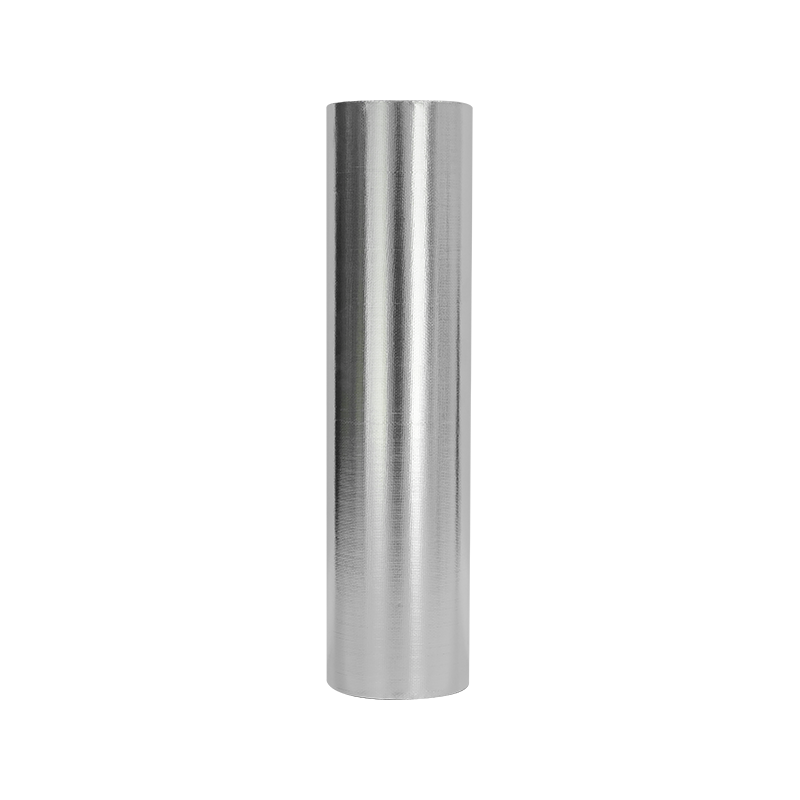 AL/Fiberglass Fabric Laminate Film Manufacturers, Suppliers, Custom Factory - HAAs China AL/Fiberglass Fabric Laminate Film Manufacturers, AL/Fiberglass Fabric Laminate Film Suppliers and AL/Fiberglass Fabric Laminate...View Product →
Building Insulation and Moisture Control
On walls, roofs, floors, and piping, this laminate works as a reflective vapor barrier. Moisture that reaches an insulation core does lasting damage — it lowers thermal performance and doesn't reverse itself once trapped inside. The foil layer keeps that moisture out before it gets there, and the woven backing protects the sheet from scraping and rough handling on a job site.
Not every application calls for the same stiffness. For pipe wraps and equipment that need a softer, more conformable material, the aluminum foil nonwoven fabric laminate flexes around curved surfaces without cracking the reflective face.
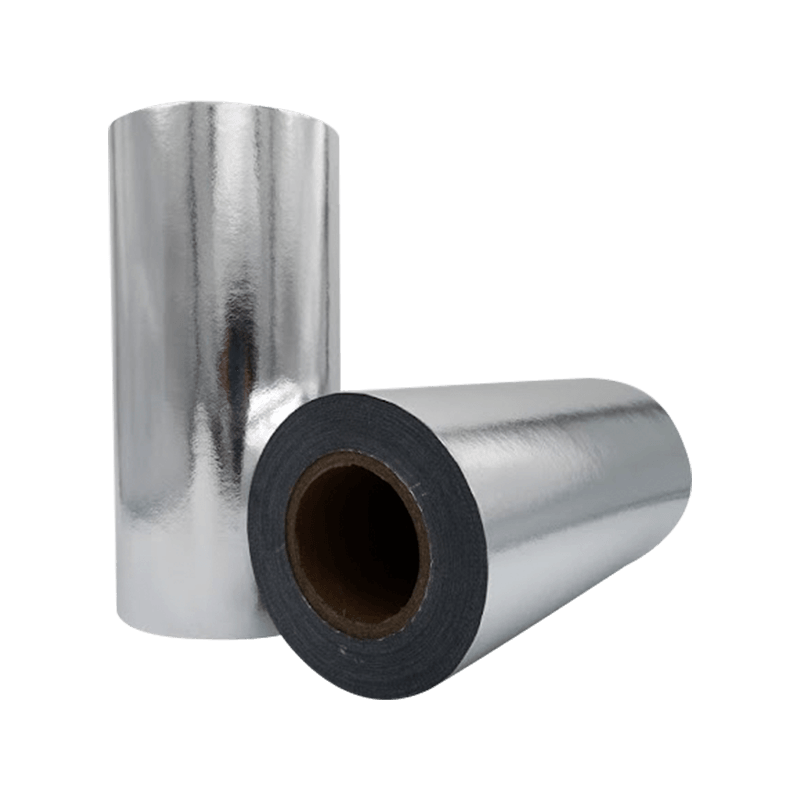 AL/Non-Woven Fabric Laminate Film Manufacturers, Suppliers, Custom Factory - HANAs China AL/Non-Woven Fabric Laminate Film Manufacturers, AL/Non-Woven Fabric Laminate Film Suppliers and AL/Non-Woven Fabric Laminate Fi...View Product →
Industrial Packaging and Specialty Uses
Shippers moving temperature-sensitive goods or protecting equipment in transit often reach for a woven-backed foil sheet simply because it does three jobs at once — moisture barrier, thermal buffer, and a tough enough outer layer to fold and seal. With the right production setup, it can also be printed, laminated further, or die-cut for more specific packaging needs.
Key Specifications to Check Before Placing an Order
Asking for "aluminum foil woven fabric" without further detail leaves too much room for interpretation. Lock down these parameters before sending an RFQ:
| Parameter | What to Specify | Why It Matters |
| Foil thickness | 6, 7, 9, or 12 micron | Determines moisture resistance and reflective performance. |
| Fabric weight | 80, 100, 120, or 160 g/m² | Determines stiffness, tear strength, and unit cost. |
| Peel strength | Minimum value in N/50 mm | Prevents delamination during cutting, folding, and aging. |
| Flame retardance | Required or not required | Needed for HVAC and construction sectors with fire codes. |
| Roll width and length | Example: 1.0 m x 100 m | Affects material utilization, handling, and cost per area. |
Locking these numbers down early makes quotes easier to compare side by side. Most factories will propose values close to your target — ask them to answer using the same parameter set so nothing gets lost in translation.
Sourcing from China: A Practical Buyer's Checklist
A structured evaluation beats a single sample every time. Run new suppliers through this checklist before committing to a production order:
- Send an RFQ with exact foil thickness, fabric weight, roll dimensions, and any flame-retardant requirement.
- Request samples at least half a meter wide so you can run your own peel and tear tests.
- Ask the supplier to walk through their production line — lamination method, slitting equipment, in-line QC checks.
- Review third-party test reports for peel strength, water vapor transmission, and fire behavior where relevant.
- Get lead times in writing for both regular orders and peak-season production.
None of this guarantees a perfect fit on the first try, but it narrows the field to suppliers who can actually back up their claims with process detail rather than a sales pitch.
Why an Experienced Chinese Factory Reduces Your Supply Risk
Consistent thickness, clean edges, correct roll tension, paperwork that matches the shipment — these are the details that separate an experienced producer from one still figuring things out. Hangzhou Ding He has built its process controls around exactly this kind of consistency after years of producing composite films. A recent example is documented in how a Turkish HVAC customer passed a strict factory audit, where clear communication and production records lined up with what the audit required.
Whether the project is standard duct insulation or something closer to a custom waterproofing and thermal insulation build, the sourcing questions stay the same: define the application clearly, then compare suppliers on how well they answer the technical questions — not just on price.
Content
- 1 What to Consider When Choosing a China Aluminum Foil Woven Fabric Supplier
- 2 What Is Aluminum Foil Woven Fabric?
- 3 Main Applications and Where the Material Delivers Value
- 4 Key Specifications to Check Before Placing an Order
- 5 Sourcing from China: A Practical Buyer's Checklist
- 6 Why an Experienced Chinese Factory Reduces Your Supply Risk
Recommended Articles
Related products
-
-
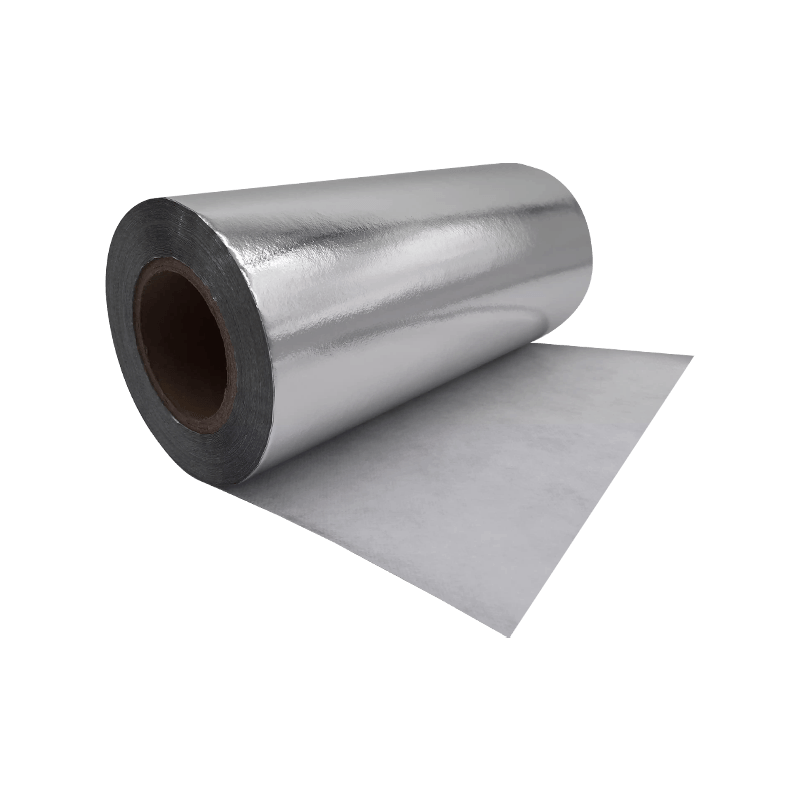
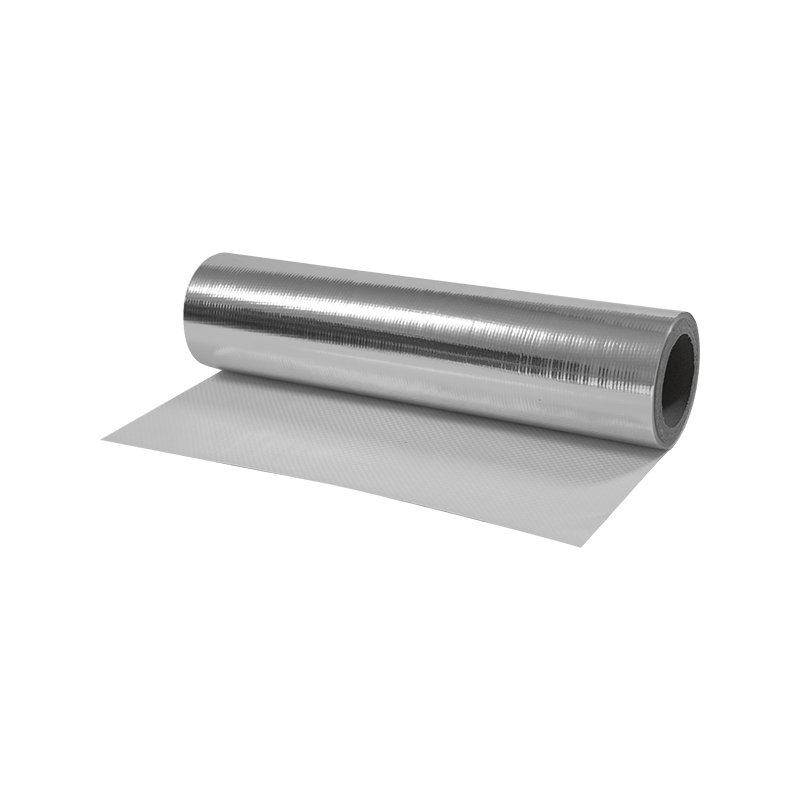
AL/Non-Woven Fabric Laminate Film is a cost-effective composite material that integrates the barrier...
See Details -
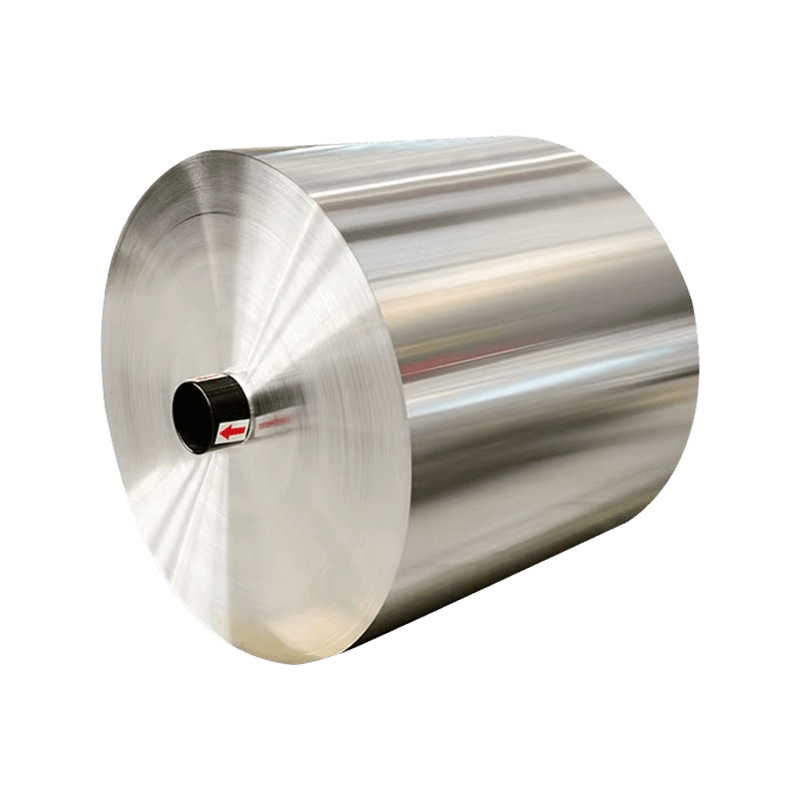
The 8011-O Ultra-Thin Aluminum Foil, Al-Fe-Si alloy contains a small amount of iron and silicon elem...
See Details -
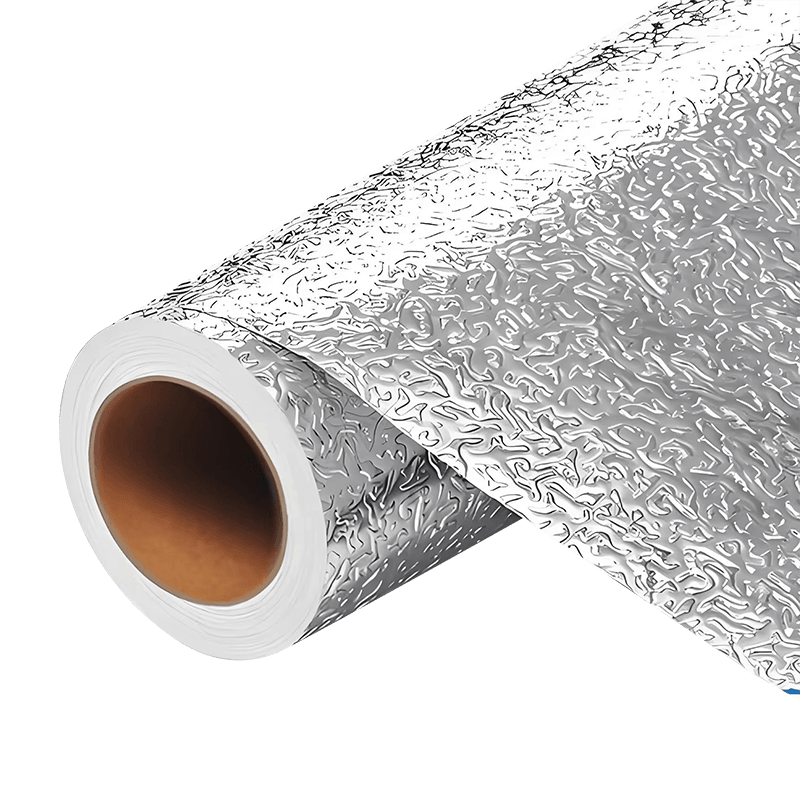
It is widely used in scenarios such as air filters, corrugated aluminum foil, phenolic board veneers...
See Details -
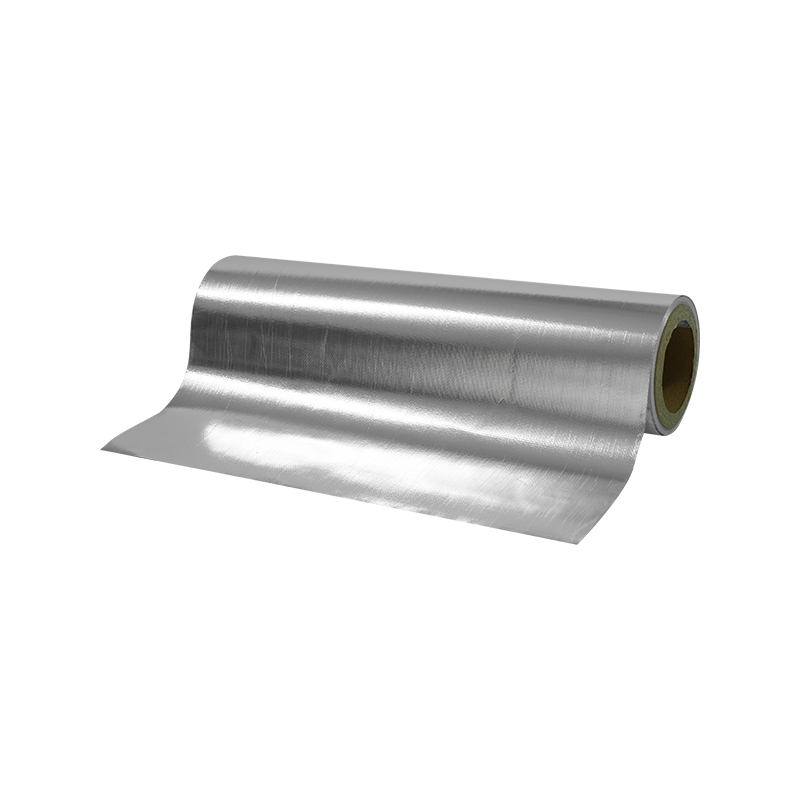
AL/Fiberglass Fabric laminate Film is a film with very high cost performance, especially its excelle...
See Details -
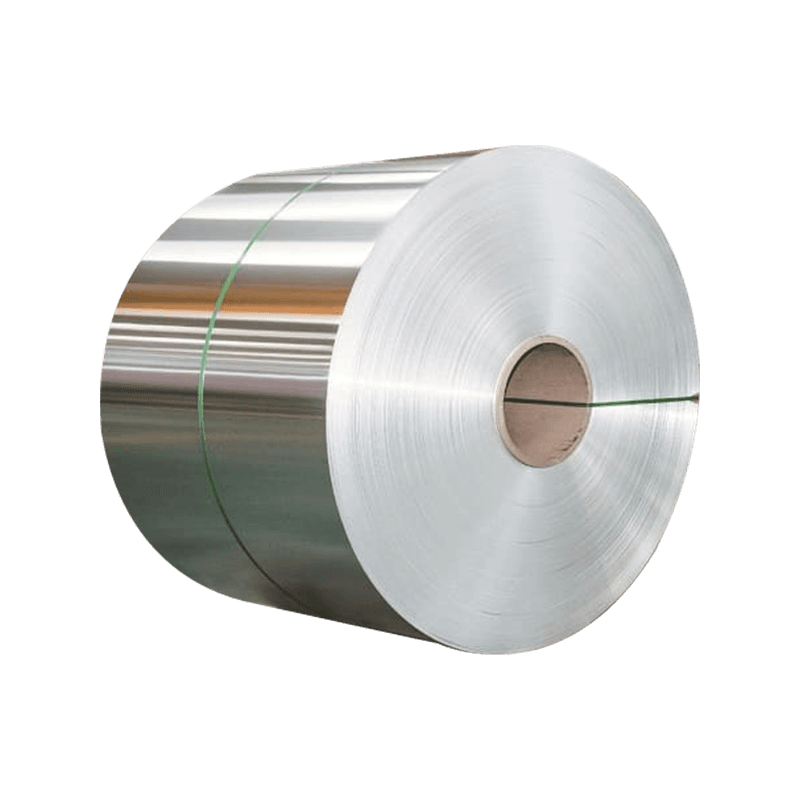
Aluminum strips are usually around 0.09-0.2mm in thickness, featuring better plasticity and electric...
See Details