English
 Español
 Português

AL/PE Woven Fabric is a high-performance composite material made by laminating premium aluminum foil...
See Details
Industry News
Home / News / Industry News / Radiant Barrier or Vapor Retarder: Which Aluminum Foil Facing Suits Tropical and Desert Climates?
Radiant Barrier or Vapor Retarder: Which Aluminum Foil Facing Suits Tropical and Desert Climates?
Date:Oct 27, 2026
Two Climates, Two Different Ways Insulation Fails
A roof in a rainforest city and a roof in a desert town are both asked to keep the building comfortable, yet they are attacked by completely different forces. In the humid tropics, the enemy is water vapour. Warm, saturated air pushes through the building envelope, meets a cooler surface and condenses inside the insulation. Fibrous insulation that has taken on moisture loses its loft, sags in the cavity and stops doing its job. Mould and corroded fixings usually follow within a few seasons.
In arid regions the problem is nearly the opposite. Air is dry, but the sun is relentless, and a dark roof can radiate heat into the ceiling space all afternoon. Most of that energy arrives as thermal radiation, which ordinary bulk insulation handles poorly. The result is a high cooling load, air conditioners running flat out and a ceiling that feels warm to the touch long after sunset.
Those two situations call for two different facings, and confusing them is one of the most common specification mistakes we see. A radiant barrier foil facing is chosen to reflect heat. A vapor barrier insulation foil is chosen to stop moisture. A good aluminum facing can do both, but only if its structure and its edge details match the climate it will work in. The rest of this article explains how to read the numbers and pick the right construction.
The Three Numbers That Decide How Long a Facing Lasts
Product sheets are full of figures, but three of them explain most of what happens on site years after installation.
The first is emissivity. It describes how much heat a surface gives off, and a low value means the surface reflects most radiant heat instead of absorbing and re-emitting it. Clean aluminum foil performs very well here, and a facing with emissivity at or below 0.03 reflects the great majority of radiant heat that reaches it. The catch is that the foil has to stay clean and bright. A layer of dust or a coating that dulls the metal raises emissivity and quietly removes the benefit, which is why the exposed face matters so much in desert installations.
The second is water vapour transmission rate, usually shortened to WVTR. It tells you how much moisture passes through a given area of film in a day. In humid climates a low WVTR is the whole point of the product, because it keeps vapour out of the insulation. Pinholes, poorly sealed seams and a damaged edge all raise the effective rate far above the laboratory figure, so installation quality counts as much as the number printed on the datasheet.
The third is puncture and peel resistance. Facings are walked on, pulled over purlins, stapled and taped. If the foil tears or separates from its carrier, the first two numbers stop meaning anything, because moisture and heat simply find the gap. Strong bonding between layers and a reinforcing grid are what keep a facing intact after a few years of thermal cycling.
| Property | What it controls | Where it matters most |
| Emissivity (≤ 0.03) | Reflection of radiant heat | Hot, sunny and arid regions |
| WVTR | Moisture passing into insulation | Hot and humid tropical regions |
| Puncture and peel strength | Integrity during installation and service | Every climate |
Choosing the Facing: FSK, ASJ and Double-Sided Reflective Foil
Once the climate is clear, the choice narrows quickly. Three constructions cover most building projects.
- FSK facing insulation uses aluminum foil, a fiberglass scrim and kraft paper bonded together. The foil provides the vapour and radiant barrier, the scrim holds the structure together, and the kraft layer gives a robust backing that is easy to handle and tape. It is a dependable choice for duct wrap, wall batts and roof blankets in humid regions.
- ASJ, short for all service jacket, follows a similar foil, scrim and kraft logic but is made for exposed jobs where the facing needs to withstand handling and be cleaned. It is common on pipe insulation and on ducts that remain visible.
- Double-sided reflective aluminum foil film puts a reflective surface on both faces. It suits roof and wall systems with an air gap, where one face reflects heat coming in and the other reflects heat from the other direction, for example under metal roofing or inside a ceiling cavity.
The scrim is worth a closer look. A fiberglass grid laid between the layers spreads load across the foil, so a small nick or a staple does not run into a long tear. For roofing teams who pull sheets across rafters in wind and heat, this reinforcement is the difference between a facing that survives installation and one that needs patching before the ceiling is even closed.
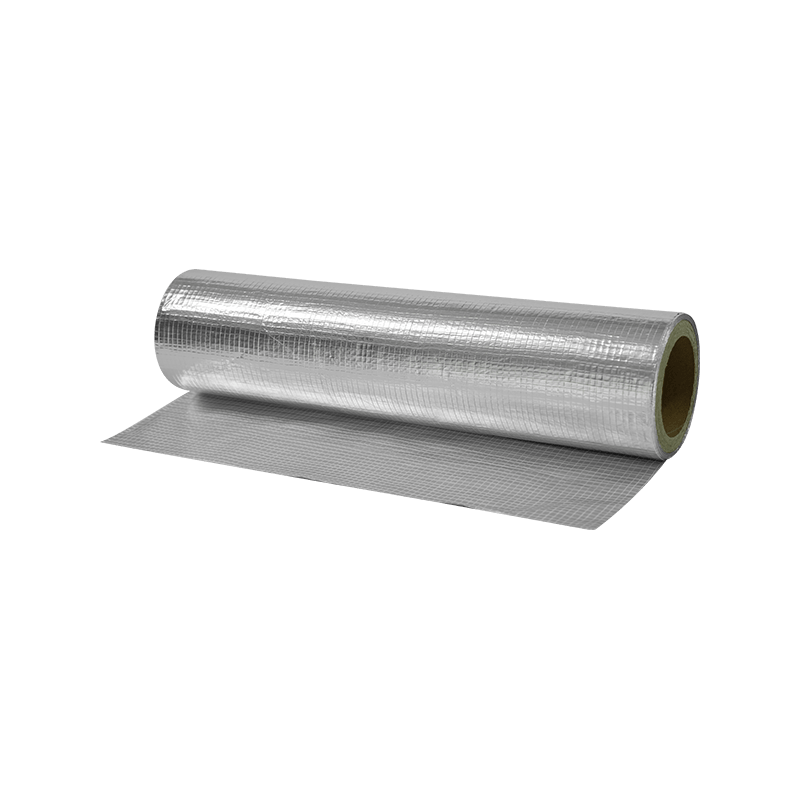 AL/Scrim/PET Triplex Film for Reinforced Insulation FacingAluminum foil, fiberglass scrim and PET combined for reflectivity, tensile strength and tear resistance in insulation and hose jackets.View Product →
Where the project needs a paper-backed facing in the traditional FSK style, a foil and kraft paper laminate is the usual starting point.
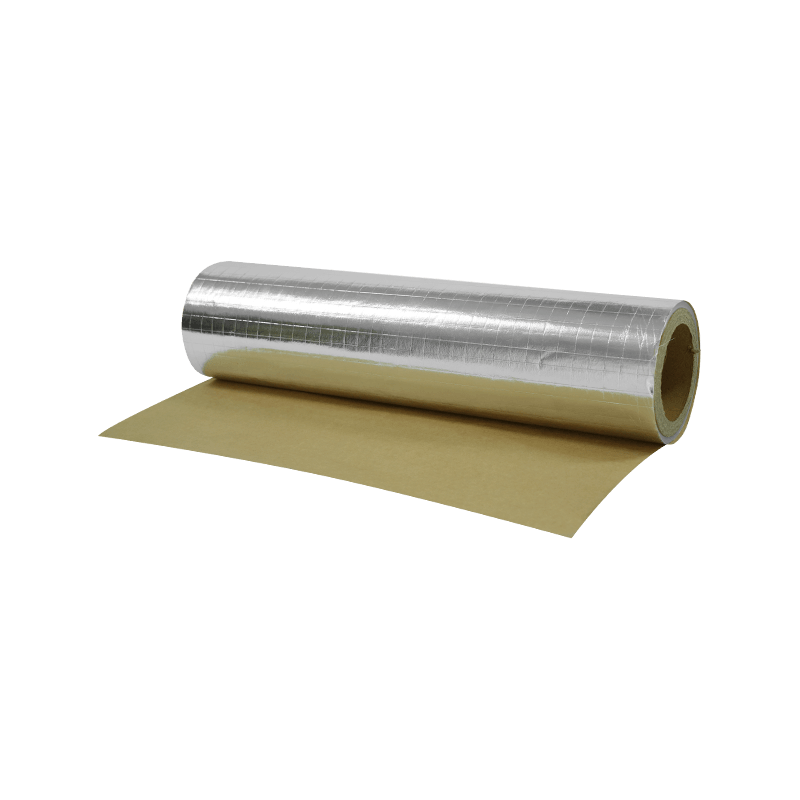 AL/Kraft Paper Laminate Film for Insulation FacingAluminum foil bonded to kraft paper as a vapour and radiant barrier facing for duct wrap, batts and building insulation.View Product →
Waterproofing and Thermal Insulation in One Laminate
Many construction projects need more than one job from the same layer. A roof membrane that blocks vapour but cannot cope with heat will still leave the ceiling hot, while a reflective sheet that lets moisture through will eventually wet the insulation behind it. A waterproof foil laminate for construction is built to cover both, combining a continuous aluminum layer with a supporting fabric or film that adds strength and flexibility.
Glass fabric is a popular carrier, because it tolerates heat well and does not stretch under load. Foil bonded to woven fiberglass gives a thermal insulation aluminum film that stays dimensionally stable on a hot roof, resists tearing at fixings and keeps its reflective surface intact. It is widely used for roof underlays, wall wraps and the outer jacket of insulation boards.
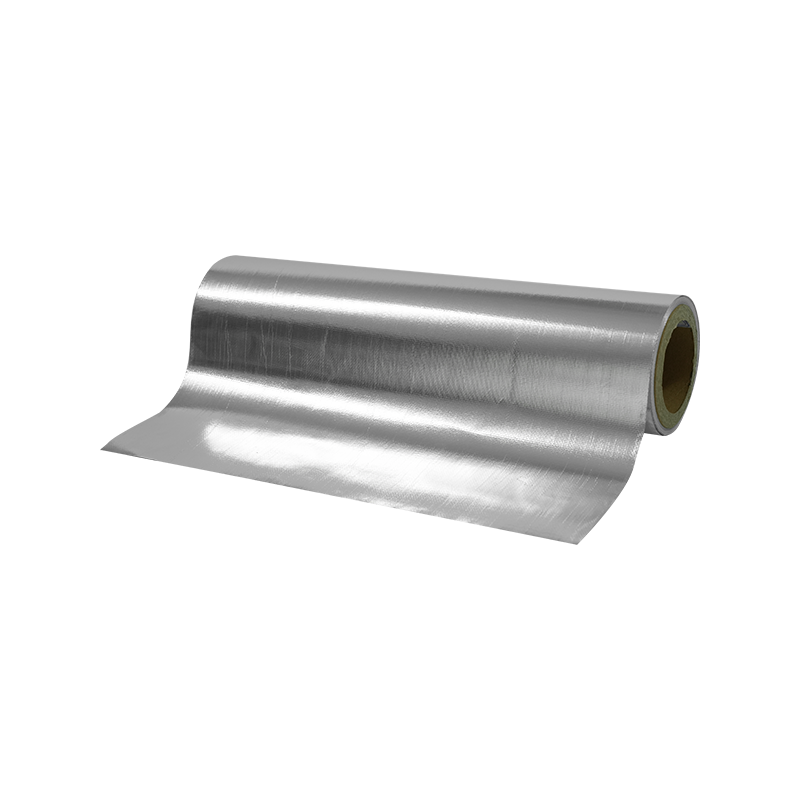 AL/Fiberglass Fabric Laminate Film for Roofing and InsulationAluminum foil laminated to fiberglass fabric for heat reflection, moisture barrier and tear resistance in roofing and insulation systems.View Product →
Whichever structure is chosen, ask the supplier how the layers are bonded. Adhesive quality decides whether the facing is still one piece after years of expansion and contraction, and it is the point where cheap laminates tend to give up first.
What Better Facing Is Worth: Energy and Maintenance Savings
The business case is simple to state. A well-chosen radiant barrier foil facing keeps heat out of the ceiling space, so the air conditioning works less. Field measurements on installed roofs have shown ceiling temperatures falling by roughly 8 to 12 degrees Celsius, although the exact figure depends on roof colour, ventilation, air gap and how carefully the foil was installed. Even a part of that drop reduces cooling demand during the hottest hours, which is when electricity is most expensive.
The saving on the maintenance side is just as real but harder to see. Insulation that stays dry keeps its thickness and its performance. Ceilings do not stain, fixings do not corrode and contractors do not return to open up a roof that has started to smell of damp. For a project owner who will occupy the building for twenty years, avoiding one major repair often outweighs the whole price difference between a basic facing and a better one.
For contractors and insulation converters, the practical takeaway is to match the facing to the dominant climate risk first, then confirm emissivity, WVTR and peel strength on the exact structure being ordered. If you are working on a tropical or desert project and are unsure which construction fits, send us the building type, the climate and the insulation you plan to use. We will recommend a structure and tell you honestly if another option would serve you better.
Content
Recommended Articles
Related products
-
-
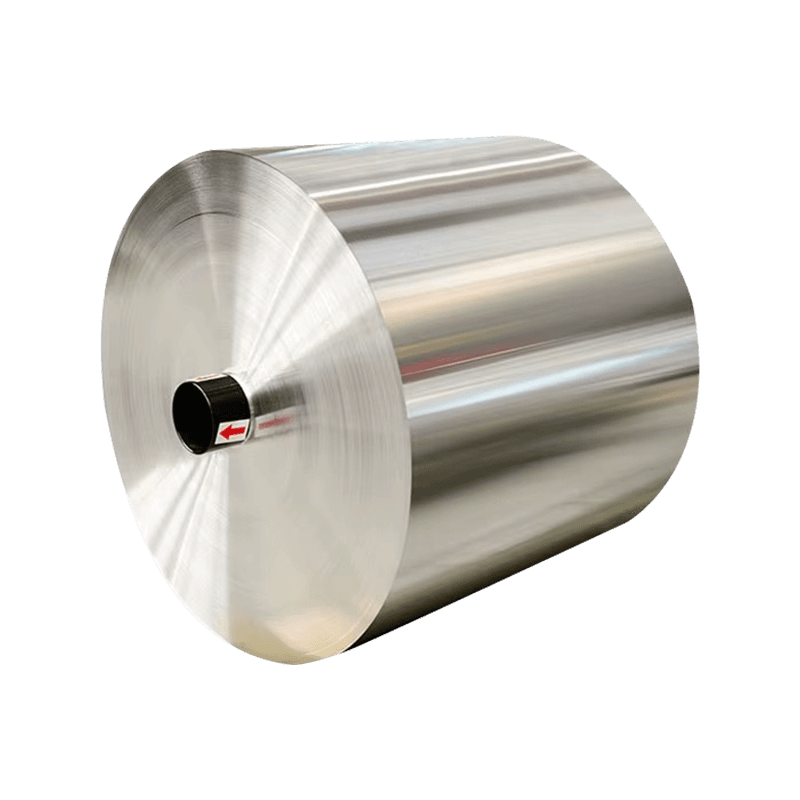
The 8011-O Ultra-Thin Aluminum Foil, Al-Fe-Si alloy contains a small amount of iron and silicon elem...
See Details -
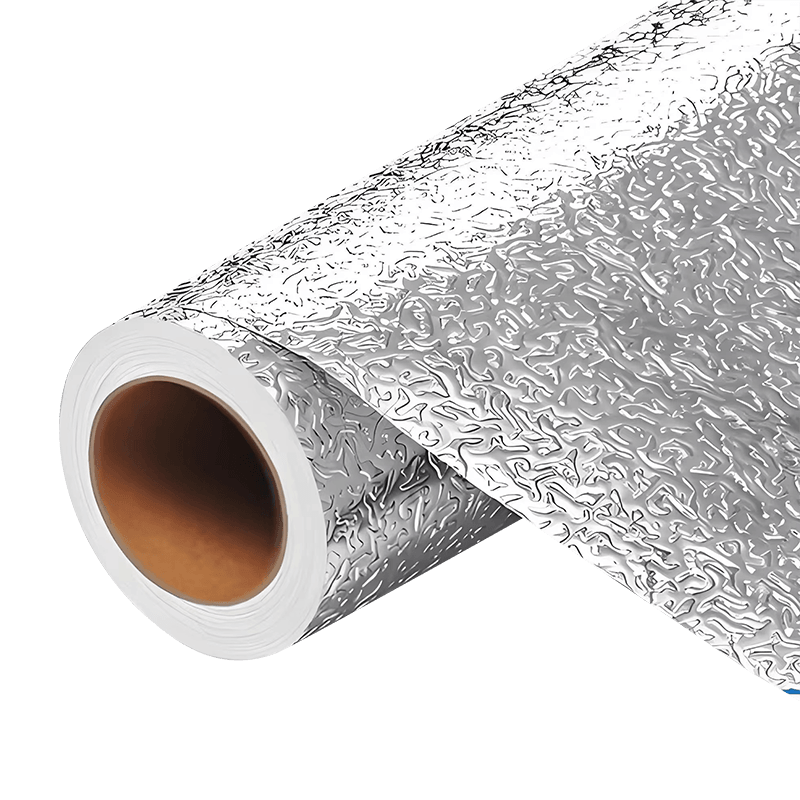
It is widely used in scenarios such as air filters, corrugated aluminum foil, phenolic board veneers...
See Details -
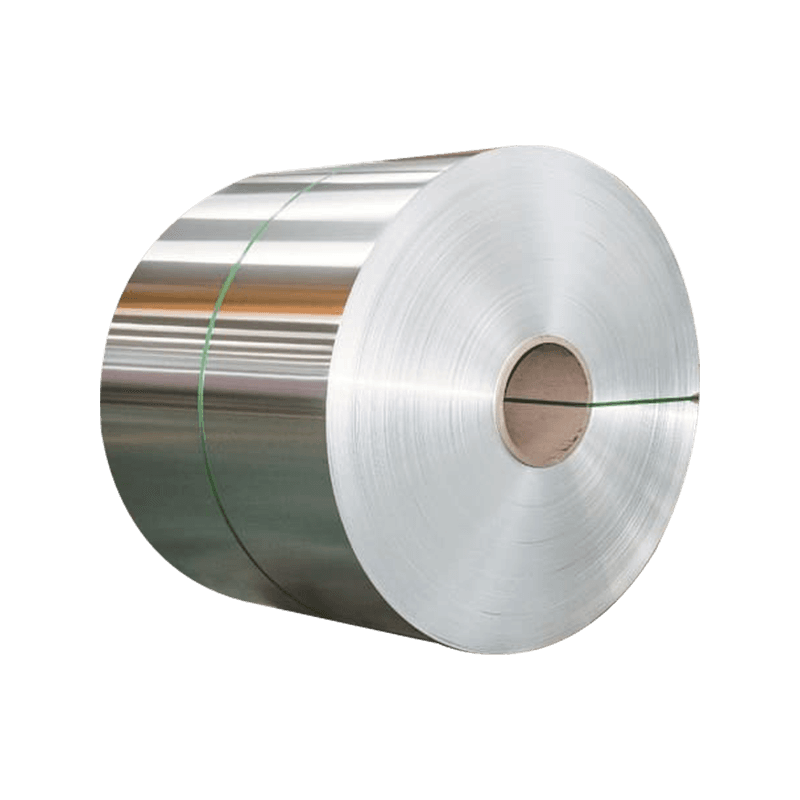
Aluminum strips are usually around 0.09-0.2mm in thickness, featuring better plasticity and electric...
See Details -

Corona Treated PET Film is based on ordinary PET film and has undergone high-frequency charge treatm...
See Details -
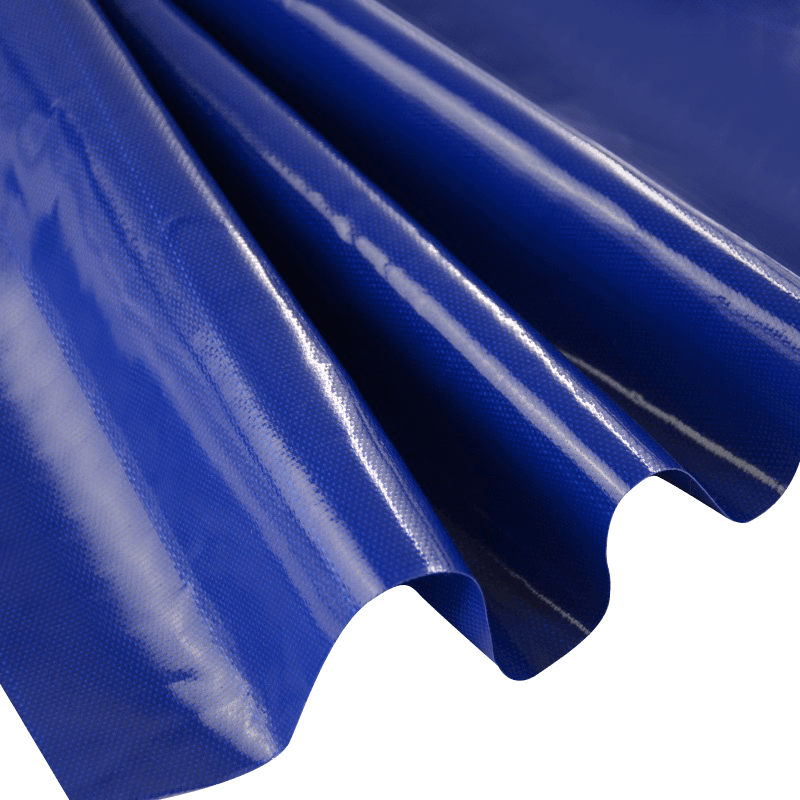
Reinforced PVC Mesh Fabric Film is a composite material made by laminating PVC film with a high-stre...
See Details