English
 Español
 Português
AL/PE Woven Fabric is a high-performance composite material made by laminating premium aluminum foil...
See Details
Industry News
Home / News / Industry News / China Aluminum Strip Vendor: A Practical Sourcing Guide for Global Buyers
China Aluminum Strip Vendor: A Practical Sourcing Guide for Global Buyers
Date:Oct 13, 2026
Why Buyers Start With a China Aluminum Strip Vendor
Anyone who has bought metal for a few years knows that China is not automatically the cheapest source of aluminum strip. It is, though, usually the quickest place to find a producer who can hold your specification. Rolling mills, slitting lines, coating units and laminating lines, along with the engineers who run them, sit within a few hundred kilometres of one another, so a coil that takes weeks to quote elsewhere can often be sampled and shipped much sooner.
The word "vendor" covers a lot of ground, though. A search page lists traders, small slitting workshops and real manufacturers in the same rows, using the same vocabulary and often the same stock photos. The difference only shows once your line is running and the third coil has to behave like the first. We have made and laminated aluminum materials since 2001, and the rest of this guide sticks to the questions that tell suppliers apart.
Aluminum Strip and Aluminum Foil Are Not the Same Product
The first thing to clear up is in the search term itself. Aluminum strip and aluminum foil share a chemistry but differ in geometry and purpose. Strip is rolled aluminum from about 0.2 mm to several millimetres thick, slit to a set width and supplied in coils with a controlled temper. Foil is thinner, usually under 0.2 mm, and is bought mostly for its barrier behaviour rather than its strength.
That difference shapes what buyers need. Strip customers are usually solving a structural, thermal or conductive problem, such as a transformer winding, a cable armour layer, a duct section or a heat exchanger fin. Foil customers are dealing with a barrier problem: moisture, light, aroma, grease or oxygen. Picking the wrong side gets expensive, since foil-thin material cannot carry a mechanical load and strip-thick material is money wasted in flexible packaging.
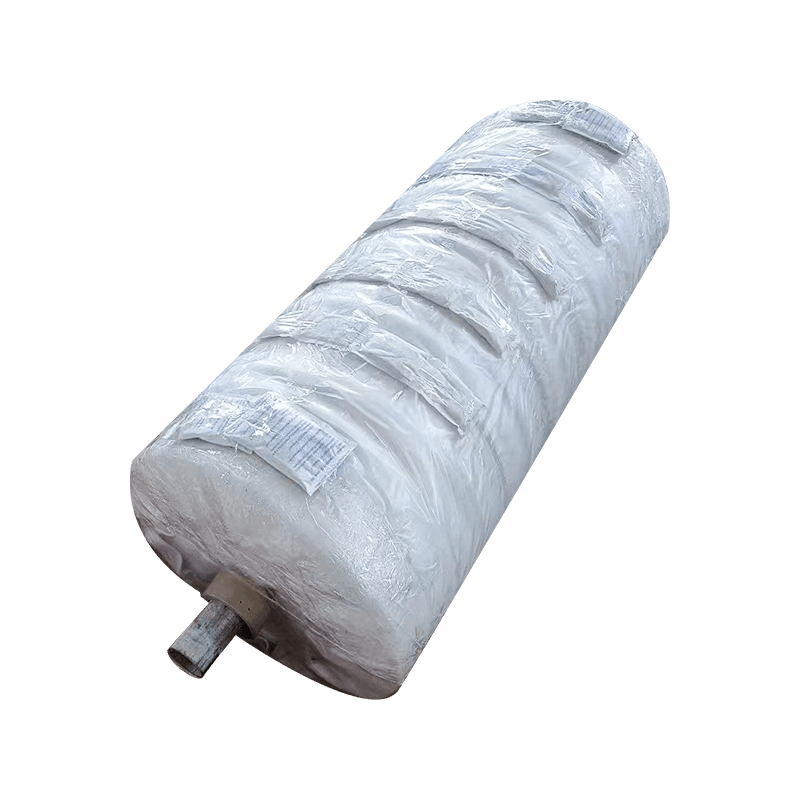 Aluminum Strip for Cable, Duct and Conductive ApplicationsA structural and conductive metal option in alloys 8011, 1060, 1100 and 3003, supplied in custom widths and thicknesses for cable and duct work.View Product →
We make both, and the first thing we ask is what the material has to do once it leaves the coil. If the answer is carrying a load or conducting current, we are talking about strip. If it is keeping something out, we are talking about foil or a laminate, and the specification looks quite different.
Specifications That Decide Price, Yield and Line Performance
Once the category is settled, four variables drive most of the cost and nearly all of the trouble: alloy, temper, thickness tolerance and width tolerance. Alloy sets strength, conductivity and corrosion behaviour. Temper sets how the material acts on your equipment, whether it bends cleanly, springs back or cracks at the fold. The two tolerances decide whether your downstream process runs at speed or stops for adjustment. Buyers who compare only the price per tonne usually learn this the hard way.
| Parameter | Common range | What it affects |
|---|---|---|
| Alloy | 1050, 1060, 1100, 3003, 8011 | Strength, conductivity, formability |
| Temper | O, H14, H16, H18, H22, H24 | Softness, springback, bending behaviour |
| Thickness | 0.2 mm to 4.0 mm | Load capacity, weight, cost per metre |
| Width | Slit to customer requirement | Material utilisation and waste rate |
| Surface | Mill finish, coated, embossed | Adhesion, appearance, corrosion resistance |
| Typical use | Transformers, cables, HVAC, insulation | Determines the whole specification set |
One tip from our order desk: send the drawing, or better, a sample of the material you are replacing, instead of a written specification alone. A photo of a failed part often shows temper and edge condition better than three lines of text.
How to Vet a Supplier Before You Place a Trial Order
Most sourcing mistakes happen before the first purchase order. A short checklist helps:
- Ask who actually rolls the material. If a supplier cannot name the mill, you are carrying that risk yourself.
- Ask for the same coil twice. Consistency from batch to batch matters more than one perfect sample.
- Check export experience. A supplier that already ships to twenty or more countries has dealt with packaging, documentation and inspection rules you may not have considered yet.
- Check whether slitting and lamination are done in house. Each extra hand-off is another chance for tolerance and surface quality to drift.
- Ask what happens when something goes wrong. How quickly a supplier responds under pressure says a lot about its quality.
For a closer look at how strip behaves in different downstream processes, we wrote up the advantages, limits and uses of aluminum strips, which covers many of the questions that reach us by email.
Where the Material Ends Up: Four Applications We Know Well
Applications are a better way to think about this than products, since two customers can buy the same alloy and want different things from it. HVAC ducting is the most familiar case: the material has to survive forming, resist moisture and often carry a coating suited to the local climate. Waterproofing and thermal insulation come next, with reflective foil laminates working inside roofs, walls and pipe lagging.
Cable shielding demands the most consistency, because conductivity and thickness tolerances translate directly into electrical performance. Specialty packaging is the fourth, and it is where lamination experience counts most. In all four, a specification that works in a Hangzhou warehouse still has to work on your line.
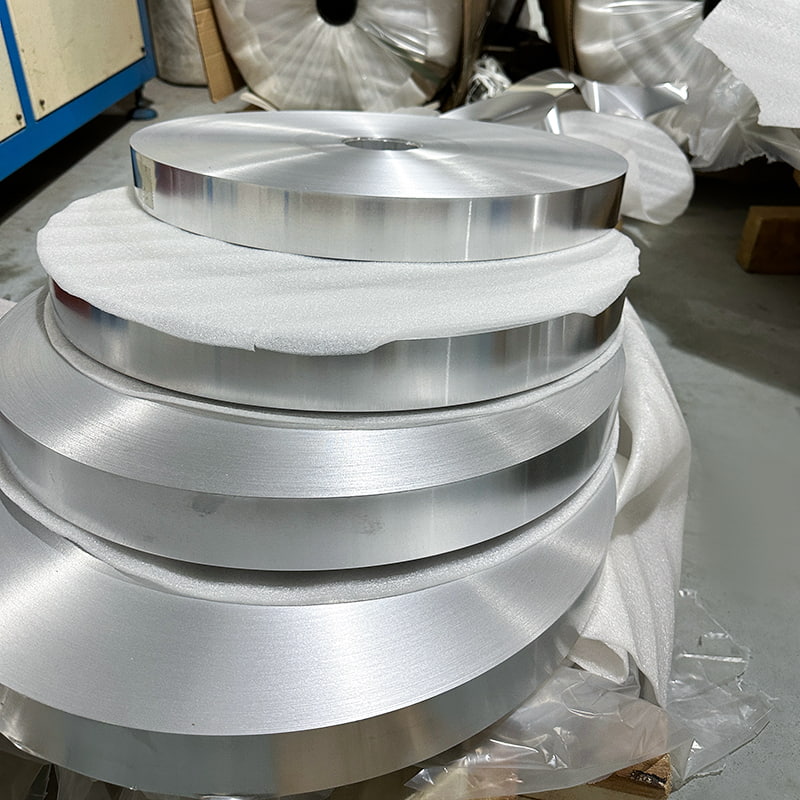 Smooth Aluminum Foil for Shielding, Packaging and InsulationUltra-thin 8011-O and 1235-O foils provide moisture, light and gas barrier protection for cable wrapping, laminates, insulation and industrial shielding.View Product →
We build dedicated cable shielding solutions around these requirements, and take the same approach to ducting, insulation and packaging by starting from the end use rather than the stock list.
Why Lamination Experience Matters Even for Strip Buyers
Aluminum rarely travels alone. In most finished products it is bonded to something else, such as PET, PE, VMPET, BOPP, fiberglass fabric, nonwoven fabric, woven cloth or kraft paper, and that bond is where many failures start: delamination after a heat cycle, a wrinkled web from uneven tension, or a barrier layer that tested well in the lab but poorly after a year outdoors.
Most of the problems we are asked to solve are not in the aluminum itself. They sit in adhesion, tension control, corona treatment and the different expansion rates of the substrates. When a customer comes with a strip enquiry and a downstream process attached, we ask about the whole structure, not just the metal layer.
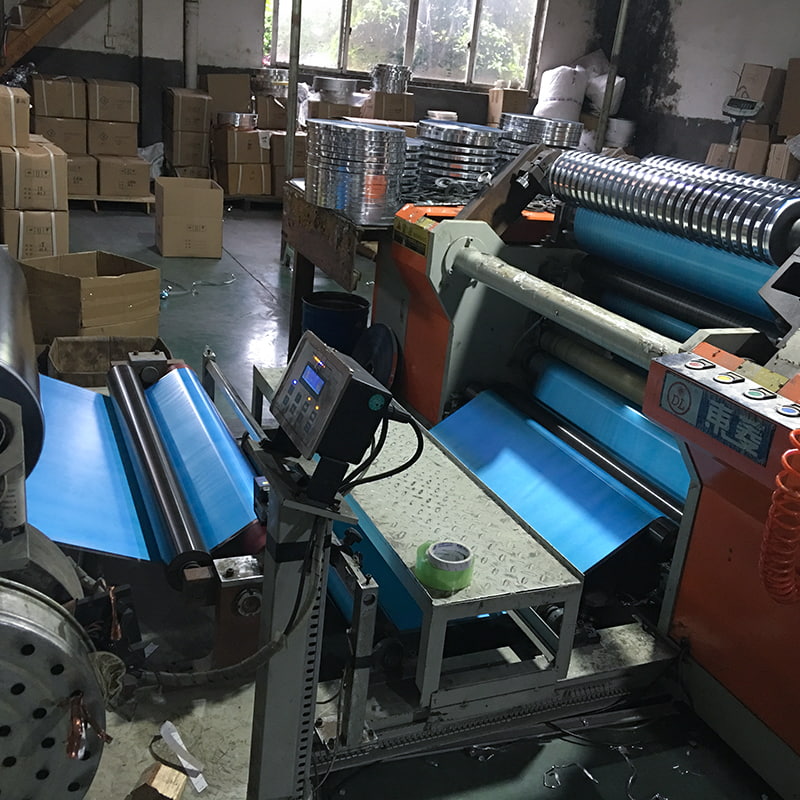 AL/PET/EMAA Triplex Film for Barrier and AdhesionA three-layer laminate combining aluminum barrier, PET strength and heat-sealable EMAA adhesion for pipe insulation, packaging and cable wrapping.View Product →
That is why we stock a wide film range, from PET, PE in several grades, CPP, BOPP and VMPET to PVC, polyimide and PTFE. A composite can then be tuned to the job instead of built from whatever was on the shelf that week.
Working With a Supplier Who Has Already Seen the Failure Modes
Our factory produces 10,000 tonnes a year, and about half goes to more than twenty countries. Shipping to that many markets keeps us honest, since a specification that works in only one market usually works in only one climate. Several people on the team have more than ten years in the trade and have seen enough projects succeed and fail to spot warning signs early.
If you are comparing quotations for aluminum strip, foil or a laminated structure, send us the drawing, the sample, or just a description of what the material has to withstand. We will say plainly whether it suits our lines, and if it does not, we will tell you that too. It is a faster conversation than a rejected shipment.
Content
- 1 Why Buyers Start With a China Aluminum Strip Vendor
- 2 Aluminum Strip and Aluminum Foil Are Not the Same Product
- 3 Specifications That Decide Price, Yield and Line Performance
- 4 How to Vet a Supplier Before You Place a Trial Order
- 5 Where the Material Ends Up: Four Applications We Know Well
- 6 Why Lamination Experience Matters Even for Strip Buyers
- 7 Working With a Supplier Who Has Already Seen the Failure Modes
Recommended Articles
Related products
-
-
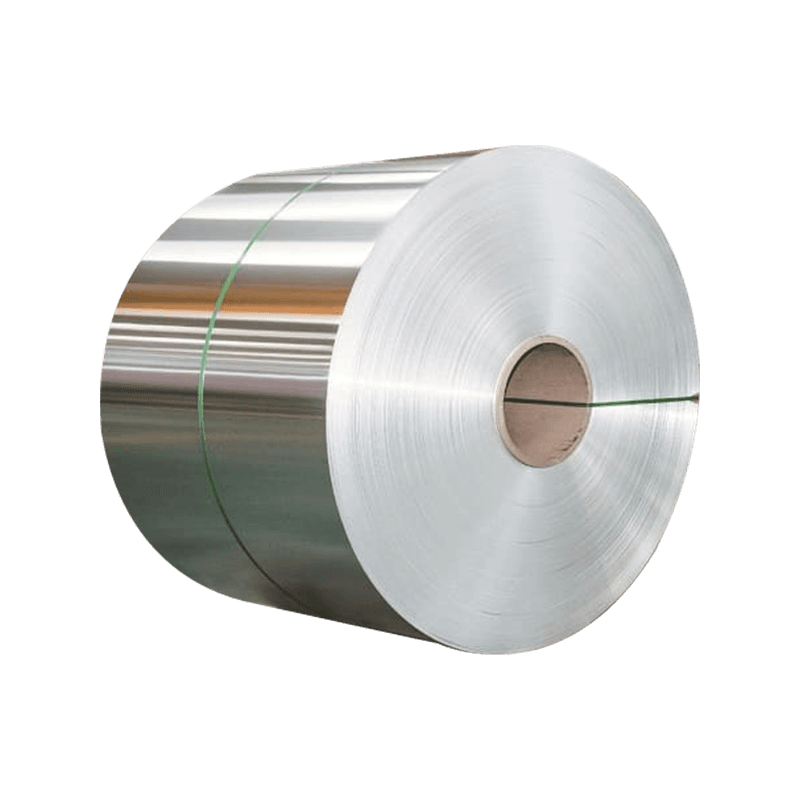
Aluminum strips are usually around 0.09-0.2mm in thickness, featuring better plasticity and electric...
See Details -
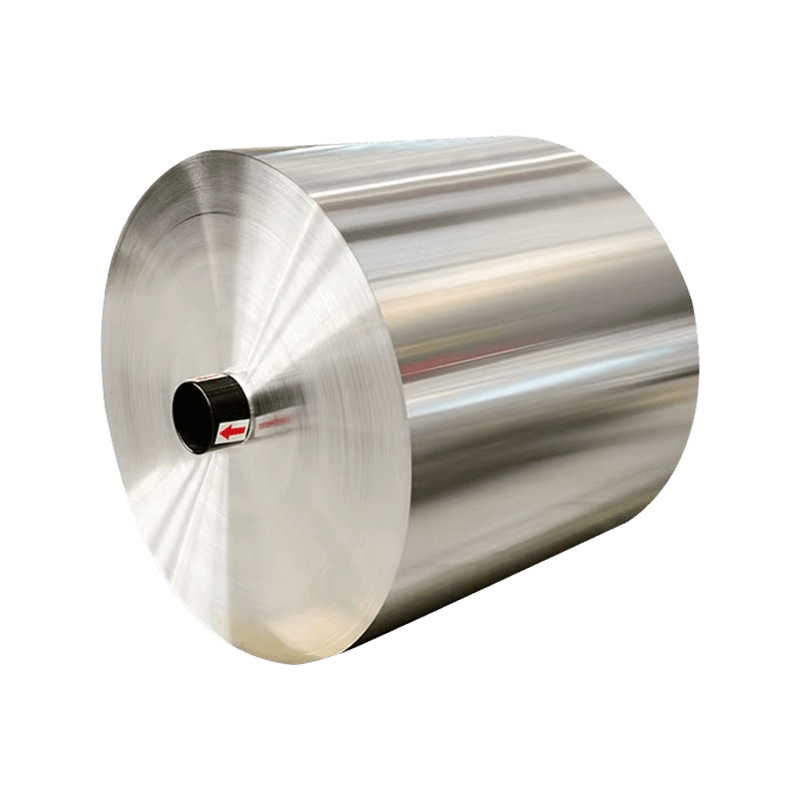
The 8011-O Ultra-Thin Aluminum Foil, Al-Fe-Si alloy contains a small amount of iron and silicon elem...
See Details -
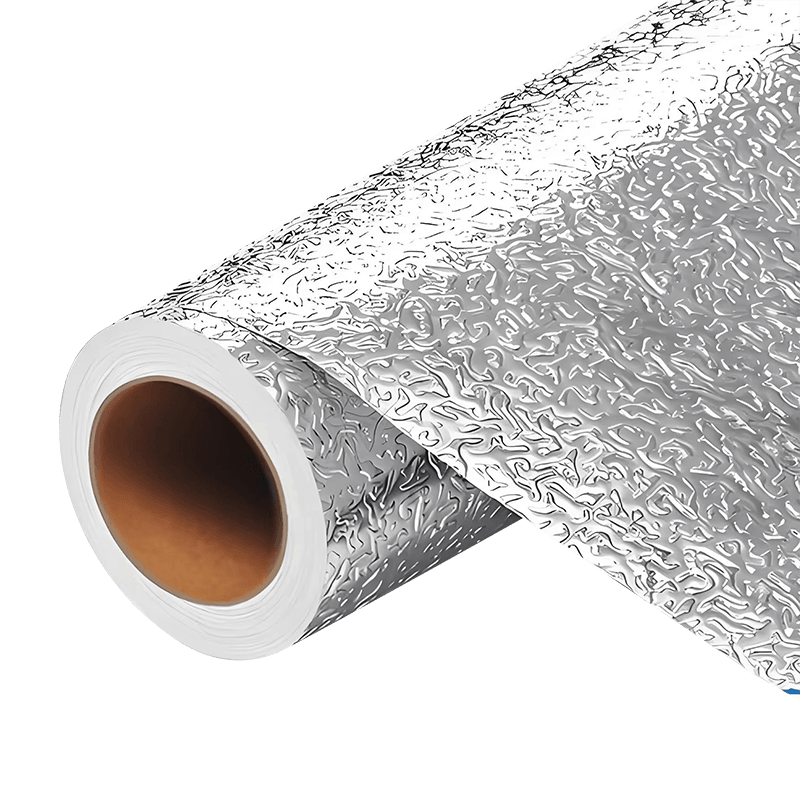
It is widely used in scenarios such as air filters, corrugated aluminum foil, phenolic board veneers...
See Details -
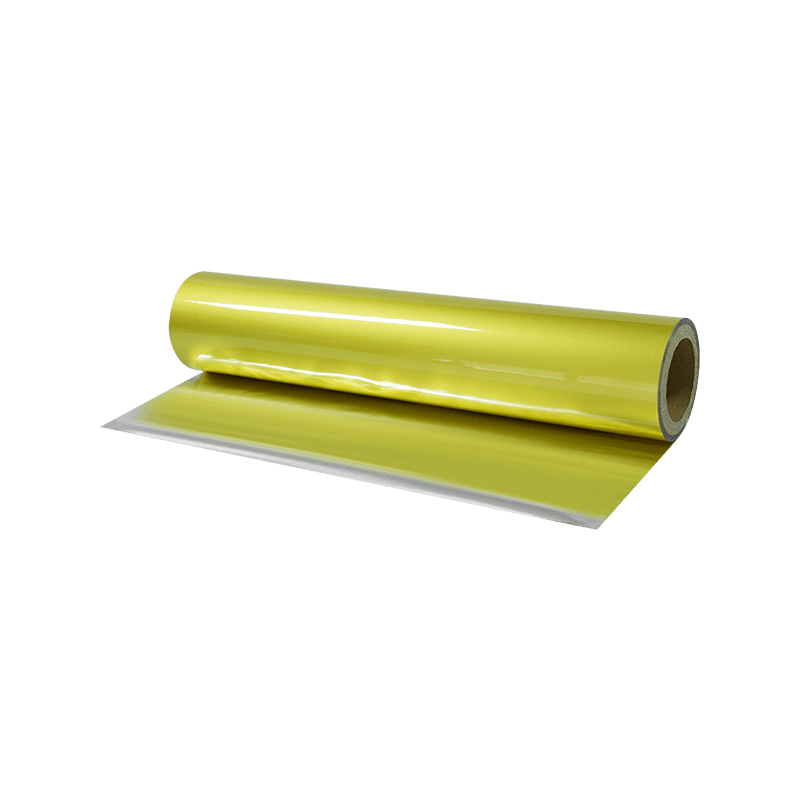
DINGHE AL/PET/VMPET Triplex Film is a high-barrier, multi-functional laminate designed for demanding...
See Details -
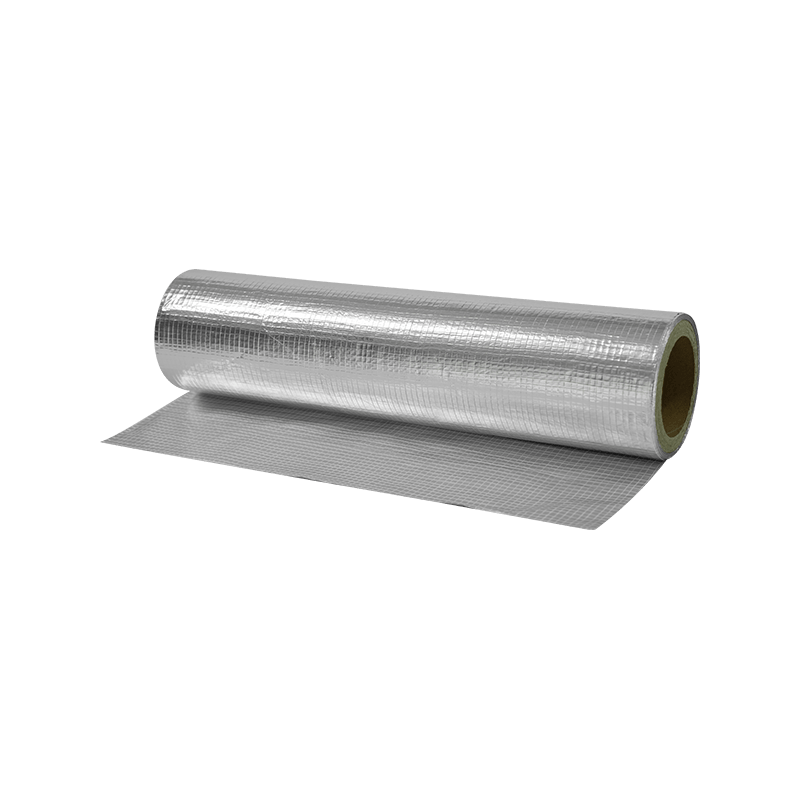
AL Scrim-Reinforced PET Triplex Film is industrial laminate composed of Aluminum Foil (AL), Reinforc...
See Details