English
 Español
 Português
AL/PE Woven Fabric is a high-performance composite material made by laminating premium aluminum foil...
See Details
Industry News
Home / News / Industry News / Aluminum Foil Fiberglass Fabric Vendor: How to Choose the Right Supplier
Aluminum Foil Fiberglass Fabric Vendor: How to Choose the Right Supplier
Date:Sep 29, 2026
Aluminum foil fiberglass fabric is one of those materials that quietly holds a lot of industrial systems together. It reflects heat, blocks moisture and vapor, resists tearing, and keeps its shape when temperatures climb. If you buy it in volume, the vendor you choose matters almost as much as the specification sheet you send out with your inquiry.
We have been manufacturing ultra-thin aluminum laminate materials since 2001, and aluminum foil fiberglass fabric has been part of our production mix for most of that time. In this guide we walk through what the material really is, how the reinforcement layer changes its behavior, where it performs best, and the questions worth asking before you place a first order with any vendor.
What Exactly Is Aluminum Foil Fiberglass Fabric?
It is a laminated composite: a thin aluminum foil bonded to a woven fiberglass fabric through an adhesive layer. The foil handles reflection and barrier duty. The fiberglass cloth carries the mechanical load, providing the tensile strength, tear resistance and dimensional stability that a bare foil could never deliver on its own.
The three functional layers
- Aluminum foil: commonly 7 to 9 microns in standard runs, with thicker gauges available where abrasion or handling demands it.
- Adhesive layer: a bonding film or coating that largely determines peel strength, the practical temperature ceiling, and how the laminate behaves in humid or chemically active environments.
- Fiberglass fabric: a woven glass cloth, usually plain weave, that gives the laminate its body and its resistance to stretching.
Because the layers are chosen independently, two rolls that look identical on the outside can behave very differently in service. That is why the vendor conversation should always start with the application, not with a price per square meter.
Properties That Decide Performance
When buyers compare quotations, these are the characteristics that separate a durable laminate from one that fails early in the field:
- Thermal reflection: the foil surface turns radiant heat back toward its source, which is why the material appears so often in insulation systems.
- Temperature resistance: driven mainly by the adhesive and the glass cloth, not by the foil itself.
- Peel strength: how firmly the foil stays bonded to the fabric after slitting, rolling, and months in storage.
- Dimensional stability: a quality laminate will not curl, shrink or delaminate when it meets heat or humidity.
- Flame behavior: formulations and constructions can be tuned for projects where fire performance is part of the building or equipment specification.
- Roll consistency: width tolerance, core diameter and splice frequency all affect how smoothly the material runs on your line.
Comparing Reinforcement Options
Fiberglass is the reinforcement most people ask about, but it is not the only one. The table below shows how the choice of carrier changes the balance of strength, heat resistance and cost.
| Reinforcement | Tensile strength | Heat resistance | Typical applications |
|---|---|---|---|
| Woven fiberglass fabric | High | High | HVAC duct wrap, insulation jacketing, cable shielding |
| Nonwoven fabric | Moderate | Moderate to high | Flexible insulation facing, specialty packaging |
| Scrim (mesh) | Moderate, tear resistant | Moderate | Triplex laminates, general reinforcing |
| Kraft paper | Low | Low | Vapor barriers, protective packaging |
If your project involves continuous heat, mechanical abrasion or outdoor exposure, woven fiberglass is usually the safest starting point. If weight and flexibility matter more than temperature, a lighter carrier may serve you better and cost less.
Where Aluminum Foil Fiberglass Fabric Is Used
Over the years we have shipped this material into a fairly wide spread of industries, and the applications tend to cluster in four groups:
- HVAC ducting: external wrapping and internal lining of ducts, where the foil reflects heat and the glass fabric keeps the wrap intact during installation.
- Waterproofing and thermal insulation: pipe lagging, roof and wall insulation facings, and equipment blankets that need a vapor barrier with real mechanical strength.
- Cable shielding: a reflective, conductive barrier that also survives bending and pulling during cable assembly.
- Specialty packaging and industrial covers: protective wraps, automotive heat shields and fabricated parts that need both barrier and tear resistance.
For ductwork specifically, our HVAC ducting solutions page shows how foil, fiberglass and adhesive grades are combined for different duct systems.
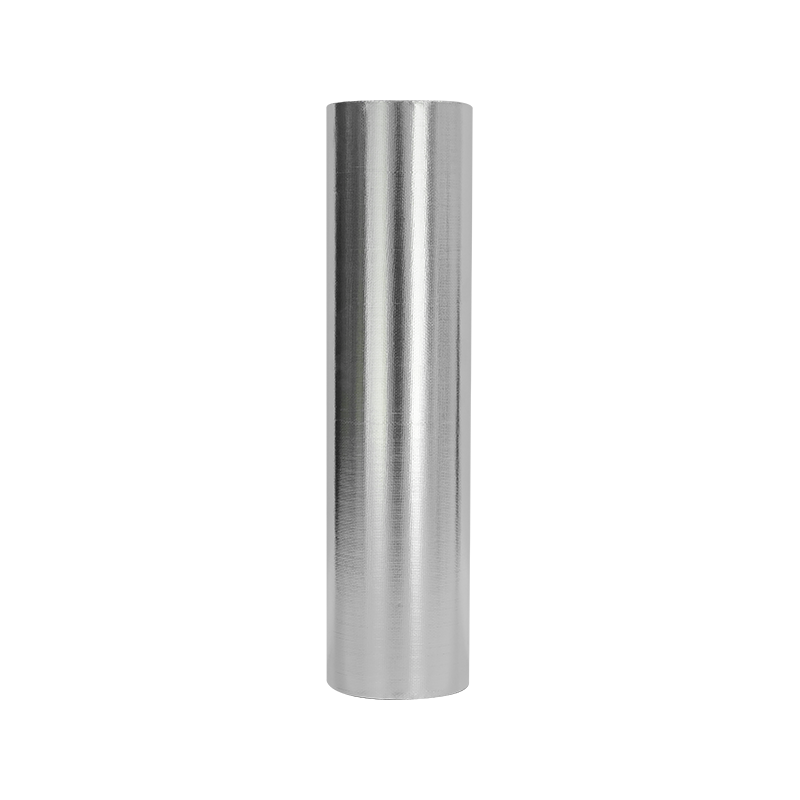 AL/Fiberglass Fabric Laminate FilmAL/Fiberglass Fabric laminate Film is a film with very high cost performance, especially its excellent fire resistance performance. It is highly applicable in the fiel...View Product →
How to Evaluate an Aluminum Foil Fiberglass Fabric Vendor
A low quotation means very little if the laminate splits halfway through your production run. Here is the sequence we recommend to buyers evaluating a new supplier.
- Confirm the vendor actually laminates. A trader can quote quickly but cannot adjust adhesive, foil gauge or cloth weight when your specification changes.
- Ask for the construction in writing: foil thickness, cloth weight and weave, adhesive type, total thickness and width tolerance.
- Request samples from the production line, not from a showroom, and test peel strength and handling on your own equipment.
- Check capacity and lead time against your forecast. Annual tonnage and export experience tell you whether the supplier can absorb a surge order.
- Ask how they handle non-conforming rolls and what documentation accompanies each shipment.
- Look at their product range. A vendor that also supplies plain foils, films and multilayer laminates can solve a related problem without sending you to a second supplier.
Those six points will filter out most of the risk before you commit to a container.
Customization, Capacity and Delivery
Standard specifications cover a large share of orders, but many projects need something specific. Custom work usually touches foil gauge, cloth weight, adhesive selection, roll width, core size and surface treatment.
Our factory runs at an annual capacity of 10,000 tons, with roughly half of that output exported to more than twenty countries. Our team includes engineers and technicians with over a decade in the aluminum laminate field, and we support customers in English, Spanish and Portuguese. When a customer sends a sample of a failing laminate, we can usually identify whether the problem sits in the adhesive, the foil gauge or the storage conditions within a short evaluation cycle.
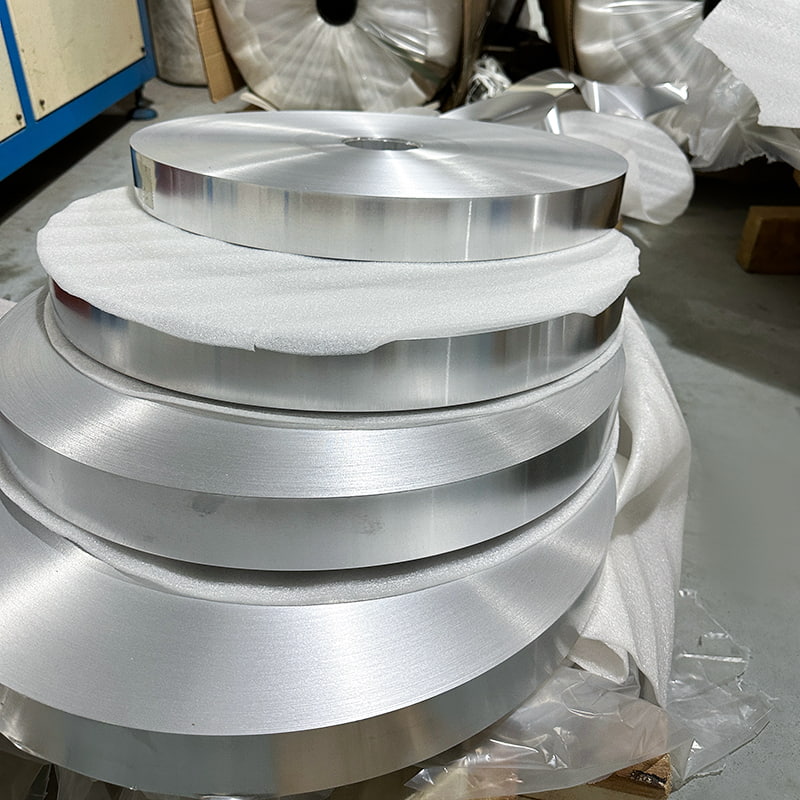 Smooth Aluminum FoilThe 8011-O Ultra-Thin Aluminum Foil, Al-Fe-Si alloy contains a small amount of iron and silicon elements. Higher strength and hardness more than 1235-O foil, as the mo...View Product →
Questions Buyers Ask Us Most
Is aluminum foil fiberglass fabric the same as aluminized fabric?
No. Aluminum foil laminates use a solid foil layer, which gives a stronger vapor and moisture barrier. Aluminized fabric carries a thin metallized coating deposited on the fabric surface, which is lighter and cheaper but offers less barrier performance and less abrasion resistance.
What thickness should I specify?
Start from the environment. Thin foils keep the laminate flexible and light; thicker foils resist handling damage and last longer on exposed surfaces. Tell the vendor the temperature, humidity and mechanical stress involved, and the construction can be matched to it.
How is the material supplied?
Normally in rolls with defined width and core diameter, but slitting, sheeting and custom roll lengths are all possible. If you would like a broader overview first, our article on the main uses and advantages of AL fiberglass fabric covers the material from the application side.
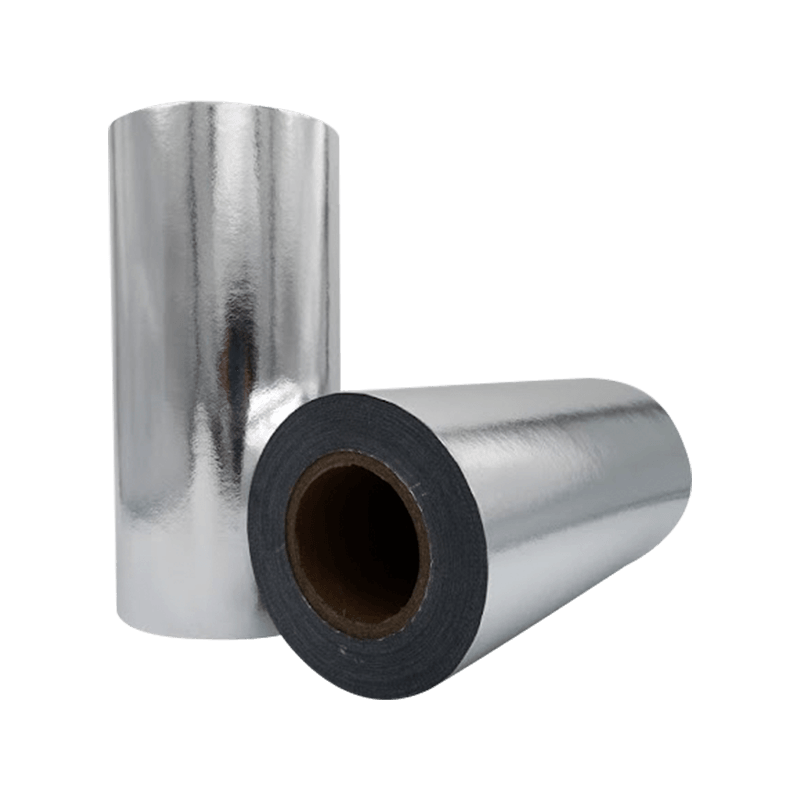 AL/Non-Woven Fabric Laminate FilmAL/Non-Woven Fabric Laminate Film is a cost-effective composite material that integrates the barrier properties of aluminum foil with the lightweight, breathable, and ...View Product →
Choosing an aluminum foil fiberglass fabric vendor comes down to a simple question: can they match the material to your application and then repeat it, order after order, at a scale that fits your production? Specifications, samples and honest technical conversation answer that question far better than a headline price. Send us your requirements, and we will tell you plainly which construction suits the job and which one does not.
Content
Recommended Articles
Related products
-
-
The 8011-O Ultra-Thin Aluminum Foil, Al-Fe-Si alloy contains a small amount of iron and silicon elem...
See Details -
It is widely used in scenarios such as air filters, corrugated aluminum foil, phenolic board veneers...
See Details -
AL/Fiberglass Fabric laminate Film is a film with very high cost performance, especially its excelle...
See Details -
Aluminum strips are usually around 0.09-0.2mm in thickness, featuring better plasticity and electric...
See Details -
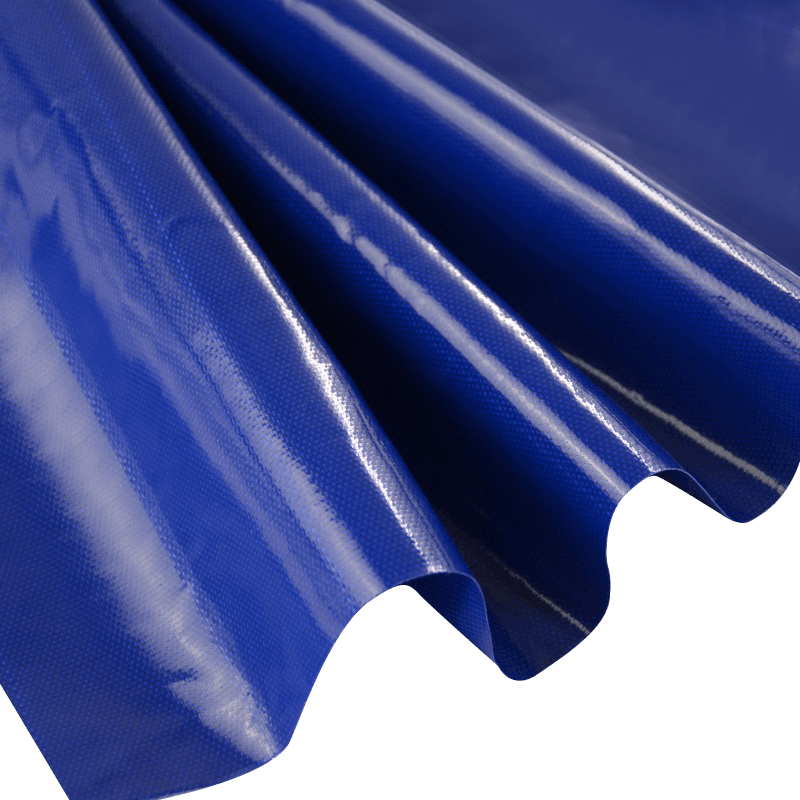
Reinforced PVC Mesh Fabric Film is a composite material made by laminating PVC film with a high-stre...
See Details