English
 Español
 Português
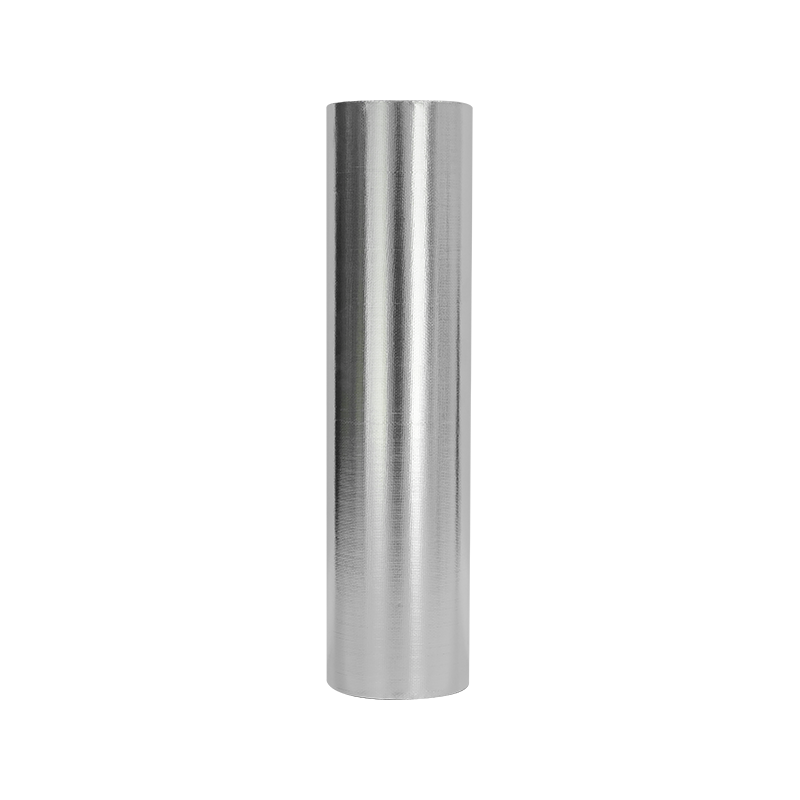
AL/Fiberglass Fabric laminate Film is a film with very high cost performance, especially its excelle...
See Details
Industry News
Home / News / Industry News / What Are the Main Uses and Advantages of AL/Fiberglass Fabric Laminate Film?
What Are the Main Uses and Advantages of AL/Fiberglass Fabric Laminate Film?
Date:Apr 30, 2026
AL/Fiberglass Fabric Laminate Film — a composite material combining an aluminum foil layer with a woven or non-woven fiberglass fabric substrate — has become an essential component across a wide range of industries. Its unique multi-layer structure delivers a rare combination of thermal reflectivity, mechanical strength, moisture resistance, and chemical stability. As energy efficiency standards tighten and industrial environments grow more demanding, this laminate film continues to expand its footprint in construction, HVAC systems, aerospace, electrical engineering, and beyond. Understanding its principal applications and the specific advantages that make it so effective will help engineers, contractors, and procurement specialists make better material decisions.
What Is AL/Fiberglass Fabric Laminate Film?
AL/Fiberglass Fabric Laminate Film is manufactured by bonding a layer of aluminum foil — typically ranging from 7 to 30 microns in thickness — to a fiberglass fabric base using heat-activated adhesives or flame lamination techniques. The fiberglass fabric itself may be woven or stitched, providing directional or omnidirectional tensile reinforcement. Some advanced variants incorporate additional layers, such as polyester film or kraft paper, to further enhance puncture resistance or fire retardancy.
The result is a flexible, lightweight sheet material that reflects radiant heat, blocks vapor transmission, and withstands temperatures that would degrade conventional polymer films. Its laminated architecture also means it can be slit, fabricated, or faced onto rigid insulation boards without compromising structural integrity, making it highly adaptable across manufacturing and installation workflows.
Primary Uses of AL/Fiberglass Fabric Laminate Film
Thermal and Acoustic Insulation Facing
One of the most widespread applications is as a facing material for rigid and flexible insulation products, including mineral wool boards, foam panels, and flexible blanket insulation. When laminated onto these substrates, the aluminum surface reflects radiant heat back toward its source, dramatically reducing thermal loss in walls, roofs, floors, and ductwork. In cold-storage facilities and industrial freezers, it prevents condensation-driven degradation of underlying insulation by acting as a low-permeance vapor barrier.
HVAC Duct Wrap and Air Handling Systems
HVAC engineers specify AL/Fiberglass Fabric Laminate Film extensively for duct wrap applications in both commercial and residential construction. The material encases rectangular or round ductwork, controlling heat gain or loss along air distribution routes and meeting fire-resistance requirements mandated by codes such as ASTM E84 and UL 181. Its ability to be self-sealing when combined with pressure-sensitive adhesive edges simplifies installation while ensuring airtight joints that maintain system efficiency.
Radiant Barriers in Roofing and Attic Systems
In hot climates, radiant heat gain through roofing assemblies is a primary driver of cooling loads. AL/Fiberglass Fabric Laminate Film installed as a radiant barrier under roof decking or between roof joists can reflect up to 97% of radiant energy, reducing attic temperatures by as much as 30°F (17°C). Builders in regions with intense solar exposure, from the Middle East to Southeast Asia and the southern United States, increasingly rely on this material to meet stringent energy codes without adding significant weight or thickness to building assemblies.
Electrical and Electronic Insulation
The fiberglass layer provides excellent dielectric properties, while the aluminum layer offers EMI (electromagnetic interference) shielding. This combination makes AL/Fiberglass Fabric Laminate Film valuable in transformer wrapping, motor winding insulation, cable wrapping, and shielding enclosures for sensitive electronic equipment. Industries ranging from power generation to telecommunications use it to protect circuits from both heat and electromagnetic noise simultaneously.
Aerospace and Automotive Thermal Management
In aerospace cabins and automotive underhoods, managing heat around exhaust systems, fuel lines, and electronic control modules is critical for both safety and performance. AL/Fiberglass Fabric Laminate Film wraps and sleeves fabricated from this material provide lightweight, flexible thermal shielding that conforms to complex geometries. The material's low weight — often below 200 grams per square meter — is a decisive advantage where every gram of mass savings translates into fuel efficiency or payload capacity.
Industrial Pipe and Equipment Insulation
Chemical plants, refineries, and food processing facilities rely on jacketing materials that can handle high-temperature steam lines, cryogenic pipes, and everything in between. AL/Fiberglass Fabric Laminate Film used as an insulation jacket or all-service jacket (ASJ) protects the underlying insulation from moisture ingress, mechanical abrasion, and chemical splash while maintaining a clean, reflective outer surface that reduces radiant loss and simplifies cleaning procedures.
Key Advantages That Set It Apart
The growing preference for AL/Fiberglass Fabric Laminate Film over alternatives like kraft-foil laminates, plain polymer films, or metallic tapes is driven by a specific set of performance attributes that its competitors cannot match across the board.
| Advantage | Technical Basis | Practical Benefit |
| High Radiant Reflectivity | Aluminum emissivity ≤ 0.05 | Reduces radiant heat transfer by up to 97% |
| Superior Tensile Strength | Fiberglass scrim reinforcement | Resists tearing during installation and service |
| Wide Temperature Range | Fiberglass stable from -60°C to 300°C+ | Suitable for cryogenic to high-heat applications |
| Low Vapor Permeability | Aluminum foil moisture barrier | Prevents condensation and insulation degradation |
| Fire and Flame Resistance | Non-combustible fiberglass substrate | Meets building and industrial fire codes |
| Chemical Resistance | Aluminum + glass inert to most chemicals | Durable in harsh industrial environments |
Dimensional Stability and Flexibility
Unlike many polymer-based laminates that creep, shrink, or sag under sustained load or elevated temperature, AL/Fiberglass Fabric Laminate Film maintains its dimensions even after years of thermal cycling. The woven fiberglass structure locks the laminate against stretching while still allowing enough flexibility to wrap curved surfaces, navigate pipe bends, or accommodate building movement without cracking or delaminating.
Ease of Fabrication and Installation
The material can be cut with standard scissors, utility knives, or rotary cutters, and joins readily with aluminum foil tape, pressure-sensitive adhesive overlaps, or mechanical fasteners. This workability reduces labor costs and installation time considerably. Pre-fabricated shapes — duct liners, pipe sections, blanket wraps — can be produced off-site and installed quickly, which is especially valuable in tight project schedules where mechanical room work is on the critical path.
Comparison with Alternative Facing Materials
When evaluating facing materials for insulation systems, AL/Fiberglass Fabric Laminate Film frequently outperforms several common alternatives:
- Kraft-Foil-Scrim (FSK): While FSK laminates are economical, the kraft paper layer is susceptible to moisture damage and has a lower temperature ceiling. AL/Fiberglass Fabric Laminate Film is preferred wherever humidity, condensation risk, or elevated temperatures are present.
- Plain Aluminum Foil Tape: Foil tape without a reinforcing scrim is prone to tearing under mechanical stress and has limited utility as a jacketing or facing material over large areas. The fiberglass reinforcement in AL/Fiberglass Fabric Laminate Film provides the durability needed for structural facing applications.
- Metalized Polyester Film: Metalized PET offers a bright surface but has significantly lower maximum service temperatures (typically below 150°C) and poorer flame resistance, limiting its use in industrial and HVAC settings where AL/Fiberglass Fabric Laminate Film excels.
- Fiberglass Cloth Alone: Unlaminated fiberglass cloth provides excellent heat and fire resistance but lacks the radiant reflectivity and vapor barrier performance that the aluminum foil layer contributes, making it insufficient for most energy management applications.
Selecting the Right Grade for Your Application
Not all AL/Fiberglass Fabric Laminate Films are interchangeable. Several parameters should guide product selection:
- Aluminum Foil Thickness: Thicker foils (25–30 microns) offer better puncture resistance and longer service life in jacketing applications; thinner foils (7–12 microns) reduce weight and cost where mechanical demands are lower.
- Fabric Weight and Weave: Heavier fiberglass fabrics (e.g., 100–200 g/m²) and tighter weaves provide higher tensile strength for demanding industrial environments. Lightweight scrims (30–60 g/m²) are suitable for standard building insulation facing.
- Adhesive Type: Flame-laminated bonds without adhesive layers perform better at high temperatures. Hotmelt adhesive laminates are cost-effective for ambient applications but may soften if exposed to heat.
- Surface Treatment: Some grades include an additional polyester or polypropylene film on the exposed side for extra abrasion resistance or printability, which can be valuable when the laminate is also serving a marking or identification function.
Sustainability and Lifecycle Considerations
From a lifecycle perspective, AL/Fiberglass Fabric Laminate Film contributes to energy savings that far outweigh the embodied energy of its production. In commercial buildings, properly installed insulation systems faced with this material can reduce HVAC energy consumption by 15–30%, contributing directly to lower carbon emissions over the building's operational life. Both aluminum and fiberglass are recyclable materials, though the laminated composite requires separation at end of life — an area where material recovery technologies are continuing to develop.
As green building certifications like LEED and BREEAM increasingly reward thermal envelope performance and material transparency, specifiers are paying closer attention to the documented thermal and vapor resistance properties of facing materials. AL/Fiberglass Fabric Laminate Film, with its well-established performance metrics and third-party test certifications, is well-positioned to support compliance documentation in these programs.
Conclusion
AL/Fiberglass Fabric Laminate Film occupies a unique position in the materials landscape by combining the thermal reflectivity and vapor resistance of aluminum with the mechanical strength, temperature tolerance, and fire resistance of fiberglass fabric. Its versatility spans building construction, HVAC engineering, electrical insulation, aerospace, and heavy industry — applications united by the need for reliable, long-lasting thermal and environmental control. Understanding the material's specific grades, performance parameters, and installation best practices allows engineers and builders to specify it with confidence, ensuring that its considerable advantages translate into real-world energy savings, system longevity, and regulatory compliance.
Content
Recommended Articles
Related products
-
-
AL/Non-Woven Fabric Laminate Film is a cost-effective composite material that integrates the barrier...
See Details -
AL/PET Laminate Film is a high-performance composite film combining the metallic barrier of aluminum...
See Details -
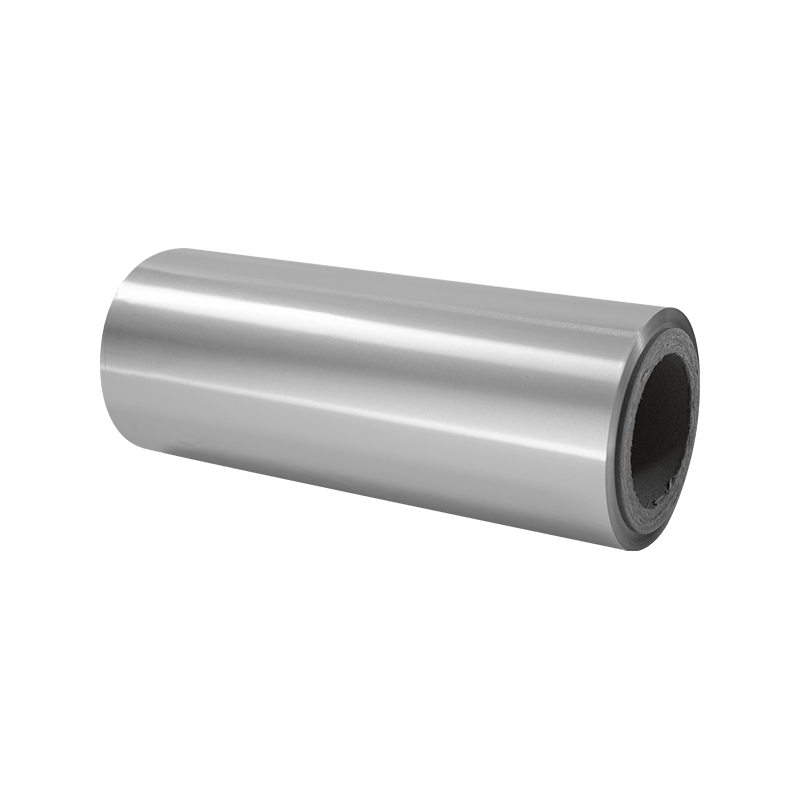
AL/PE Laminate Film combines the barrier properties of aluminum foil with the flexibility and heat-s...
See Details -
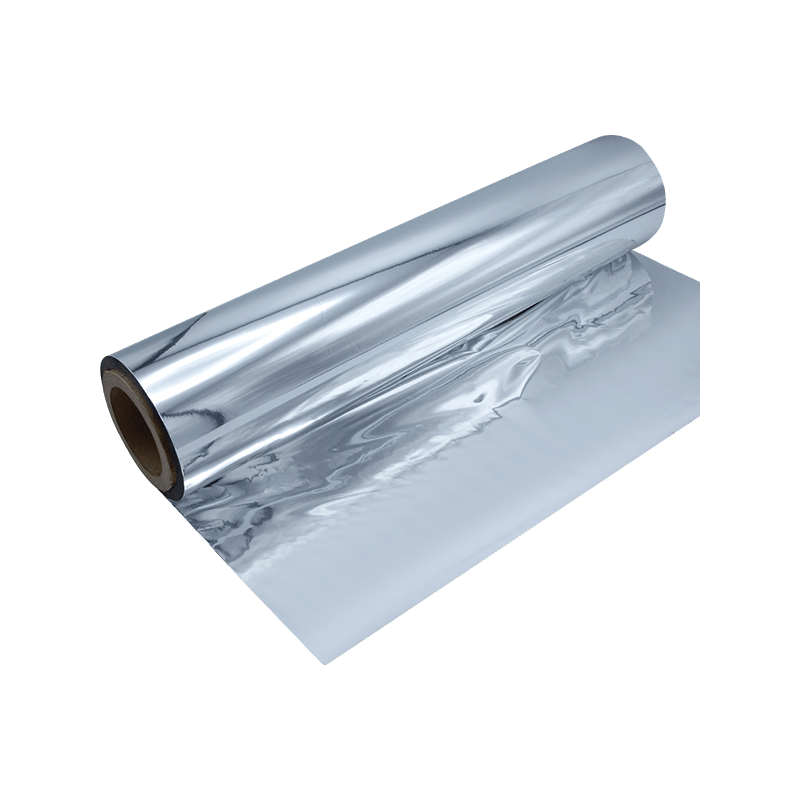
This dual-layer structure significantly improves barrier properties, durability, and cost-effectiven...
See Details -
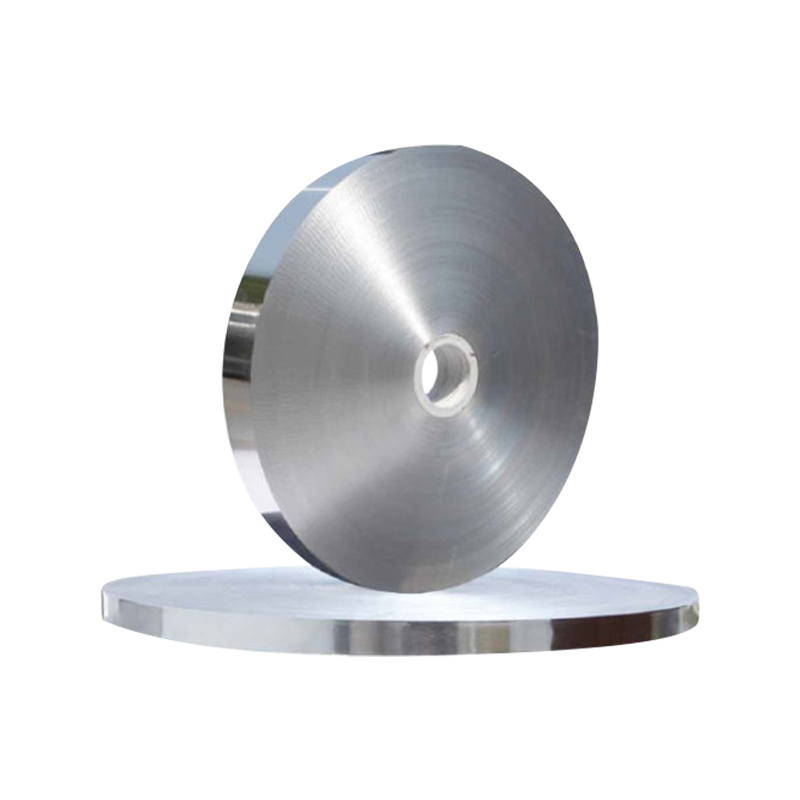
AL/BOPP Laminate Film is a composite film made by laminating aluminum foil with biaxially BOPP film....
See Details