English
 Español
 Português
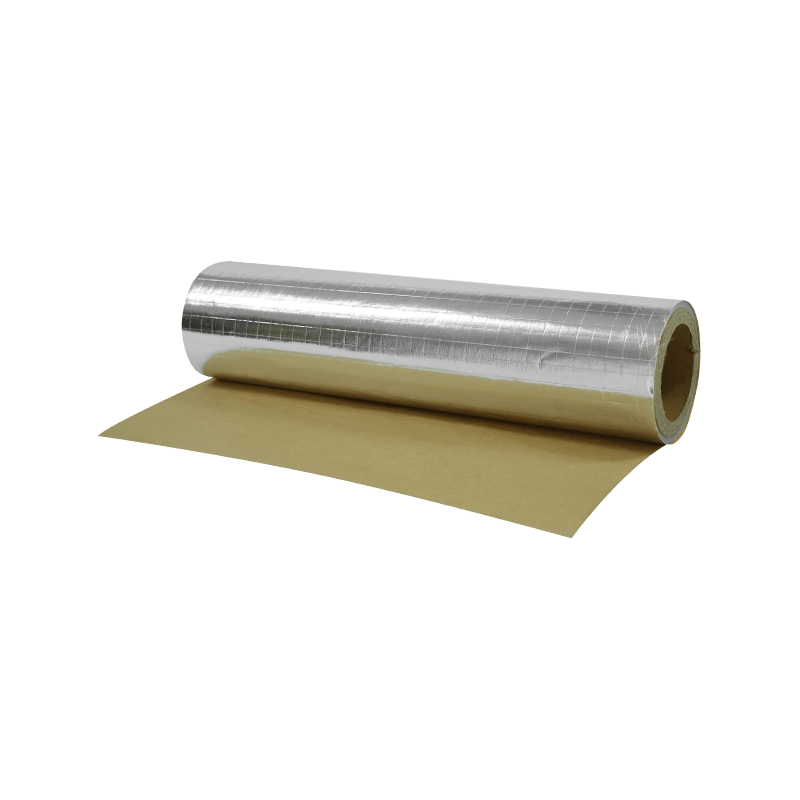
FSK: This product adopts a composite structure of aluminum foil and kraft paper, and by using scrim,...
See Details
Industry News
How Does AL/Kraft Paper Laminate Film Work and What Are Its Uses?
Date:May 20, 2026
Introduction to AL/Kraft Paper Laminate Film
AL/Kraft paper laminate film is a high-performance composite material that bonds an aluminum foil layer with a kraft paper substrate to create a product combining structural integrity with outstanding barrier protection. Widely specified in industrial, pharmaceutical, and construction-related packaging applications, this laminate delivers reliable resistance to moisture, oxygen, and chemical vapours while providing the mechanical robustness required for demanding handling and transportation environments. The synergy between aluminum's impermeability and kraft paper's tensile strength makes this laminate a practical and cost-effective solution for protecting sensitive industrial materials throughout the supply chain.
Composition and Structure of AL/Kraft Paper Laminate Film
The laminate is constructed from two primary functional layers, each contributing distinct performance properties that together exceed what either material could achieve independently. Understanding the role of each layer is essential for engineers and procurement specialists evaluating the material for specific industrial applications.
Aluminum Layer
The aluminum foil component—typically ranging from 6 to 20 microns in thickness depending on the application—functions as the primary barrier element within the laminate. It provides near-total impermeability to oxygen, water vapour, aggressive chemical fumes, and light radiation. In industrial contexts, this barrier capability is critical for protecting moisture-sensitive materials such as construction adhesives, powdered cement additives, reactive chemical compounds, and precision electronic components from atmospheric degradation during warehousing and long-distance freight. The aluminum layer also contributes electromagnetic shielding properties, making the laminate suitable for packaging sensitive electronic assemblies and instrumentation where static discharge or signal interference must be controlled.
Kraft Paper Layer
The kraft paper substrate provides the structural backbone of the laminate, contributing tensile strength, puncture resistance, and dimensional stability under load. Manufactured from long-fibre sulphate pulp, kraft paper withstands the mechanical stresses of industrial handling—including stacking, forklift movement, and conveyor transport—without delaminating or tearing. Its surface is compatible with flexographic, gravure, and digital printing processes, enabling clear product identification, hazard labelling, regulatory compliance markings, and batch traceability codes to be applied directly to the outer face of finished packaging. This printability eliminates the need for secondary labelling operations, reducing production line complexity and cost.
Advantages of AL/Kraft Paper Laminate Film
The engineered combination of aluminum foil and kraft paper delivers a set of performance advantages that make AL/Kraft laminate film a preferred specification across a broad range of industrial and technical packaging requirements.
Superior Barrier Performance for Industrial Materials
The aluminum layer's impermeability to moisture and oxygen is particularly valuable when packaging hygroscopic industrial materials—those that absorb atmospheric moisture and degrade in performance as a result. Construction chemical powders, silica gel desiccants, reactive polymer compounds, and precision metal components are all susceptible to humidity-induced deterioration. AL/Kraft laminate packaging maintains the integrity of these materials from the point of manufacture through distribution, site storage, and end-use preparation, reducing waste and quality failures in the field. The barrier also prevents outgassing from volatile industrial compounds from permeating the packaging wall in the reverse direction, protecting warehouse workers and complying with occupational health requirements.
Mechanical Strength for Demanding Logistics
Industrial packaging must survive rough handling throughout the logistics chain—palletising, stretch wrapping, container loading, and unloading at destination facilities. The kraft paper layer gives AL/Kraft laminate the tensile strength and puncture resistance to withstand these conditions without compromising the barrier integrity of the aluminum layer beneath. Multi-wall bag constructions using AL/Kraft laminate as an inner ply can carry loads of 10–50 kg without failure, making the material suitable for bagging cement additives, industrial catalysts, refractory powders, and similar heavy granular or powder products. The laminate maintains its structural performance across a wide temperature range, remaining stable in both cold chain logistics environments and warm-climate distribution scenarios.
Printability Supporting Compliance and Traceability
Industrial packaging increasingly carries regulatory obligations—safety data sheet references, GHS hazard pictograms, UN transport classification codes, batch numbers, and QR codes linking to digital product documentation. The kraft paper outer surface of AL/Kraft laminate accepts high-resolution printing in multiple colours, enabling all mandatory and optional information to be integrated directly into the packaging structure rather than applied as adhesive labels that can detach in transit or during storage. This is particularly important for chemical, construction material, and electronic component packaging where label loss could create compliance failures or safety hazards on site.
Cost-Effectiveness Versus Multi-Layer Alternatives
Compared to complex multi-layer plastic laminates or foil-laminated woven polypropylene sacks, AL/Kraft laminate film offers a competitive cost structure for industrial applications where extreme puncture or abrasion resistance is not the primary requirement. The two-component construction simplifies the manufacturing process and reduces raw material complexity, translating into more predictable pricing and shorter lead times. For industrial packagers operating at high volumes, the material's consistent runnability on form-fill-seal, pouch-making, and bag-converting equipment further reduces operational costs.
Disadvantages and Limitations
AL/Kraft paper laminate film, despite its considerable strengths, carries limitations that engineers and packaging designers must account for when evaluating it against alternative materials for specific industrial use cases.
Limited Deep-Forming Capability
The aluminum foil component, while highly effective as a barrier, is not extensible under stress in the way that oriented plastic films are. This means AL/Kraft laminate is not suitable for deep-draw thermoforming applications where the packaging material must stretch to conform to the contoured geometry of a shaped product or tray. For industrial components requiring vacuum-formed or blister-type packaging, alternative constructions incorporating thermoformable aluminum alloys or metallized plastic films are more appropriate. Excessive localised bending during bag-forming operations can also cause pinhole formation in the aluminum layer, compromising barrier integrity at fold lines if machinery settings are not carefully controlled.
Recycling and End-of-Life Complexity
The bonded combination of aluminum foil and kraft paper presents challenges for conventional recycling streams. Standard paper recycling facilities cannot process the material because the aluminum layer contaminates the paper pulp recovery process, while aluminum recyclers require the paper to be separated or incinerated before the metal can be recovered. Industrial users operating under extended producer responsibility regulations or corporate sustainability commitments should investigate specialist laminate recycling schemes or energy recovery pathways available in their region before specifying AL/Kraft laminate at scale. Some manufacturers now offer laminate constructions using water-soluble adhesive bonds that facilitate aluminium-paper separation at end of life, improving recyclability without compromising in-use performance.
Industrial Applications of AL/Kraft Paper Laminate Film
AL/Kraft paper laminate film is deployed across a wide range of industrial sectors where the combination of barrier protection, mechanical strength, and printability is required to maintain product quality and supply chain integrity.
Construction Chemicals and Building Materials
Powdered construction chemicals—including tile adhesives, grouts, waterproofing compounds, self-levelling floor screeds, and concrete admixtures—are highly sensitive to moisture absorption. Premature contact with atmospheric humidity initiates chemical reactions that reduce or destroy the product's working performance before it reaches the application site. AL/Kraft laminate bags and liners provide the moisture vapour transmission rate (MVTR) performance required to maintain these products in specification throughout the distribution chain and on-site storage periods, even in humid tropical climates or damp warehouse environments where standard paper sacks would fail.
Pharmaceutical and Nutraceutical Industrial Packaging
Bulk pharmaceutical ingredients, active pharmaceutical compounds, and nutraceutical powders require packaging that maintains strict control of moisture, oxygen, and light exposure throughout their shelf life. AL/Kraft laminate sachets, multi-wall bags, and intermediate bulk liners protect these high-value materials from atmospheric degradation during storage in distribution centres and manufacturing facilities. The laminate's compatibility with clean-room converting environments and its ability to meet pharmaceutical-grade cleanliness standards make it a trusted material in this sector. Tamper-evidence features can be incorporated through heat-seal integrity monitoring, providing an additional layer of supply chain security.
Electronic Components and Precision Parts
Sensitive electronic assemblies, precision-machined metal components, and optical instruments require packaging that provides both physical protection and environmental control. AL/Kraft laminate offers inherent electromagnetic shielding and complete exclusion of moisture and oxygen, preventing corrosion of metal contacts and surfaces during storage and international shipping. Anti-static treatments can be incorporated into the laminate construction to prevent electrostatic discharge damage to microelectronic components. The material's printability supports part number labelling, ESD warning symbols, and handling instruction graphics on a single integrated packaging surface.
Industrial Chemicals and Reactive Compounds
Reactive industrial chemicals—including catalysts, desiccants, oxidising agents, and specialty polymer powders—require packaging that prevents both ingress of atmospheric contaminants and egress of volatile components. AL/Kraft laminate provides a robust solution for these requirements, with the aluminum barrier preventing two-way vapour transmission and the kraft paper outer providing the structural integrity needed for safe stacking and handling. Custom valve openings, tear notches, and resealable closures can be integrated into AL/Kraft laminate bag constructions to support controlled dispensing in industrial process environments.
Comparison Table: AL/Kraft Paper Laminate vs Other Industrial Packaging Materials
| Property | AL/Kraft Laminate | Plain Kraft Paper | Woven PP Sack | Plastic Film |
| Moisture Barrier | Excellent | Poor | Moderate | Good |
| Oxygen Barrier | Excellent | Poor | Low | Moderate |
| Mechanical Strength | High | Moderate | Very High | Moderate |
| Printability | High | Moderate | Low | High |
| Deep-Form Capability | Limited | Limited | Low | Excellent |
| Recyclability | Complex (specialist) | Good | Moderate | Variable |
Conclusion
AL/Kraft paper laminate film is a technically robust and commercially practical packaging material for industrial, pharmaceutical, construction chemical, and electronic component applications where barrier performance, mechanical durability, and compliance printability must coexist in a single packaging solution. Its limitations in deep-forming flexibility and end-of-life recyclability are well understood and can be managed through careful application engineering and end-of-life planning. For industrial packagers requiring dependable protection of moisture-sensitive, reactive, or high-value materials across demanding global supply chains, AL/Kraft laminate film remains one of the most reliable and cost-effective material choices available.
Content
- 1 Introduction to AL/Kraft Paper Laminate Film
- 2 Composition and Structure of AL/Kraft Paper Laminate Film
- 3 Advantages of AL/Kraft Paper Laminate Film
- 4 Disadvantages and Limitations
- 5 Industrial Applications of AL/Kraft Paper Laminate Film
- 6 Comparison Table: AL/Kraft Paper Laminate vs Other Industrial Packaging Materials
- 7 Conclusion
Recommended Articles
Related products
-

-
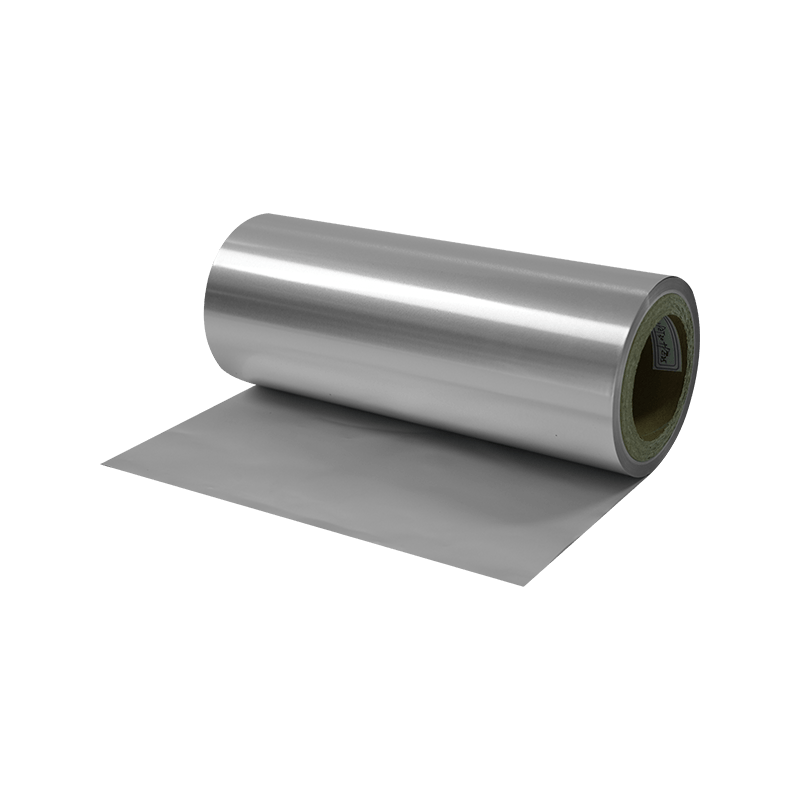
AL/PET Laminate Film is a high-performance composite film combining the metallic barrier of aluminum...
See Details -
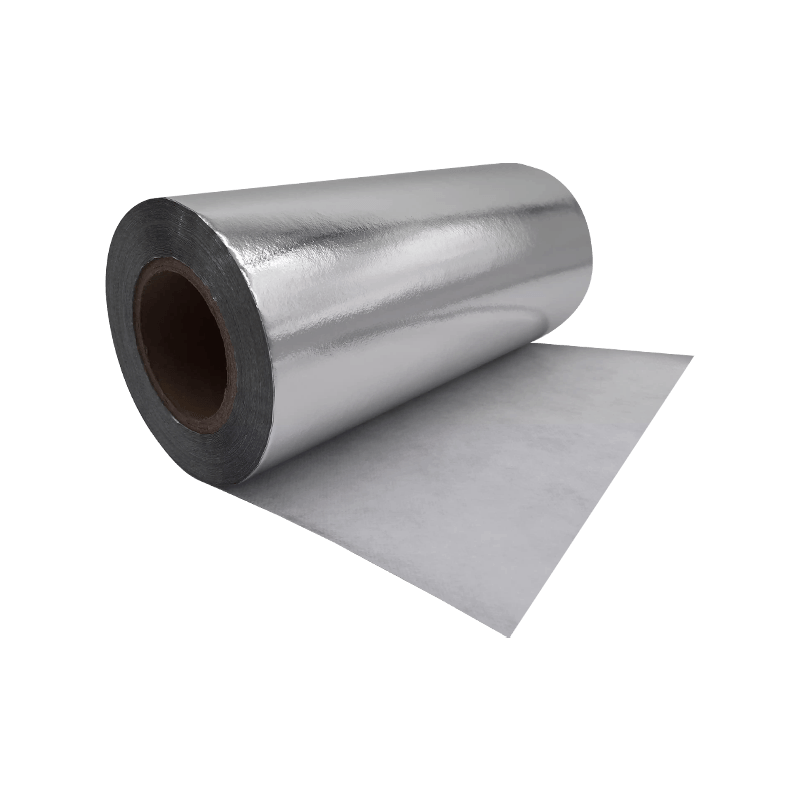
AL/Non-Woven Fabric Laminate Film is a cost-effective composite material that integrates the barrier...
See Details -
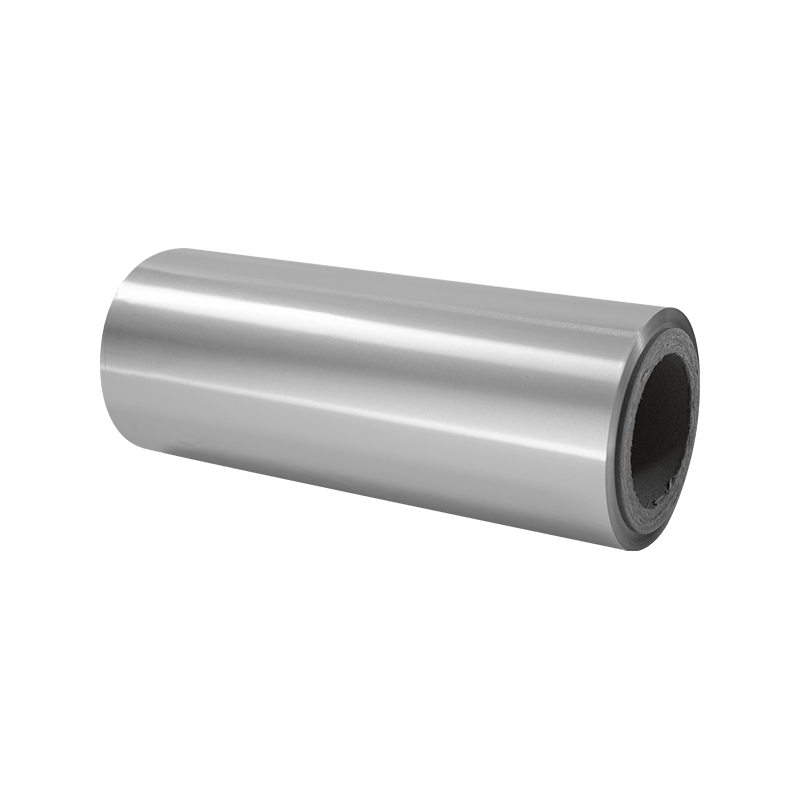
AL/PE Laminate Film combines the barrier properties of aluminum foil with the flexibility and heat-s...
See Details -
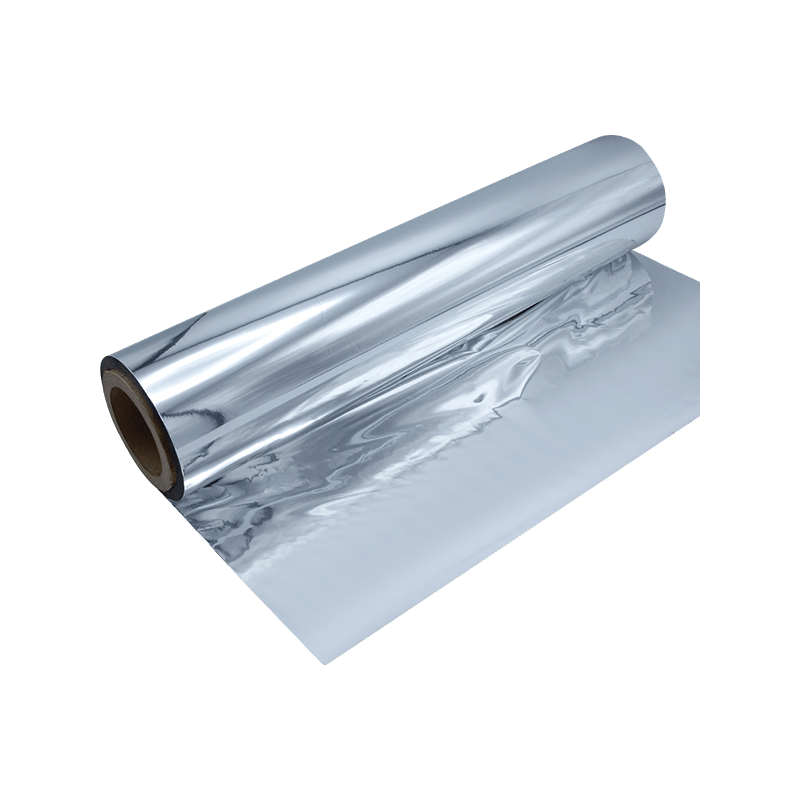
This dual-layer structure significantly improves barrier properties, durability, and cost-effectiven...
See Details -
AL/BOPP Laminate Film is a composite film made by laminating aluminum foil with biaxially BOPP film....
See Details