English
 Español
 Português
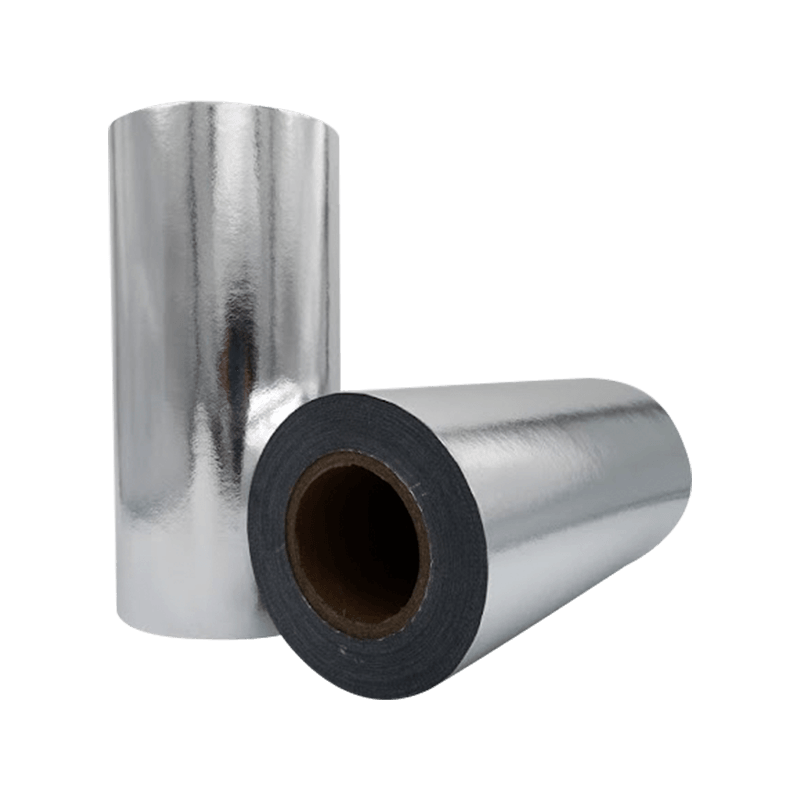
AL/Non-Woven Fabric Laminate Film is a cost-effective composite material that integrates the barrier...
See Details
Industry News
Home / News / Industry News / What Exactly Is AL/Non-Woven Fabric Laminate Film and Why Is It Used Across So Many Industries?
What Exactly Is AL/Non-Woven Fabric Laminate Film and Why Is It Used Across So Many Industries?
Date:Jun 01, 2026
AL/non-woven fabric laminate film is a composite material formed by bonding an aluminum foil layer to a non-woven fabric substrate, producing a flexible sheet that combines the barrier and reflective properties of aluminum with the strength, breathability, and dimensional stability of non-woven textiles. This combination addresses a fundamental limitation of each individual material: aluminum foil alone is prone to tearing and pinhole formation under mechanical stress, while non-woven fabrics alone offer no meaningful protection against moisture, gases, or radiant heat. Together, the laminate achieves performance levels that neither component can reach independently, which is why AL/non-woven fabric laminate film has become a standard material across insulation, packaging, medical, and industrial applications worldwide.
What AL/Non-Woven Fabric Laminate Film Actually Is
The designation "AL" refers to the aluminum foil component — typically a soft-temper, commercially pure aluminum foil in thicknesses ranging from 6 microns to 25 microns, depending on the application's barrier and flexibility requirements. The non-woven fabric component is most commonly spunbond polypropylene (PP), spunbond polyester (PET), or a spunlace composite, with basis weights ranging from 20 g/m² to 80 g/m² for standard laminate constructions. The two layers are joined through adhesive lamination, thermal bonding, or extrusion coating, creating a unified sheet that behaves mechanically like a textile while providing the surface impermeability of metal foil.
The laminate can be produced as a two-layer AL/non-woven construction or as a multi-layer composite incorporating additional films — such as polyethylene (PE) or polypropylene (PP) — on one or both outer faces to add heat-sealability, moisture resistance on the fabric side, or additional puncture resistance. Three-layer constructions combining PE film, aluminum foil, and non-woven fabric are particularly common in insulation facing and vapor barrier applications where the outer PE layer provides weather resistance and the non-woven inner face provides dimensional stability and ease of adhesive application during installation.
The resulting composite is characterized by a distinctly different appearance and hand on each side: the aluminum face presents a bright, reflective metallic surface, while the non-woven face has the soft, matte, fiber-textured appearance of fabric. This asymmetry is functionally important — in many applications, the aluminum face is oriented to reflect radiant heat or provide a vapor barrier, while the non-woven face is bonded, adhered, or stitched to adjacent materials in the assembly.
Key Physical and Functional Properties
The performance profile of AL/non-woven fabric laminate film is defined by the combined contribution of its aluminum and non-woven components. Understanding these properties individually and in combination clarifies why this material is specified across such a wide range of demanding applications.
Barrier Performance
Aluminum foil at thicknesses above approximately 9 microns provides a near-perfect barrier to water vapor, oxygen, light, and aromatic compounds — achieving water vapor transmission rates (WVTR) below 0.01 g/m²/day and oxygen transmission rates (OTR) effectively at zero under standard test conditions. These barrier values are among the highest achievable in flexible material form, exceeding metallized films (which deposit only 40–80 nm of aluminum vapor on a polymer substrate) by several orders of magnitude. The non-woven backing preserves this barrier performance under mechanical handling by preventing the foil from creasing and developing pinholes, which are the primary failure mode in unsupported aluminum foil applications.
Reflectivity and Thermal Resistance
Bright aluminum surfaces reflect 95% to 97% of incident radiant heat, making AL/non-woven laminate an effective radiant barrier when the aluminum face is oriented toward the heat source with an air gap of at least 19mm on the reflective side. In building insulation applications, this radiant reflectivity is the primary thermal performance mechanism — the material does not function as a bulk insulator in the way that fiberglass batts or foam boards do, but rather reduces heat gain or loss through roofs, walls, and floors by reflecting longwave infrared radiation rather than absorbing it. The non-woven backing does not significantly affect reflectivity as long as the aluminum surface remains clean and undamaged.
Mechanical Strength and Tear Resistance
The tensile strength and tear resistance of AL/non-woven laminates are determined primarily by the non-woven component. Spunbond PP non-wovens at 40–60 g/m² basis weight provide tensile strengths of 150–300 N/5cm in the machine direction and 100–250 N/5cm cross-direction, with elongation at break of 40% to 80%. This gives the laminate enough ductility to conform to uneven surfaces during installation without tearing, while the aluminum face contributes stiffness that resists sagging or deformation under its own weight across span distances encountered in building wrap or duct insulation applications. Elmendorf tear strength values for typical AL/non-woven constructions range from 800 mN to 2,500 mN, adequate for mechanical installation processes including stapling, nailing, and tape fastening.
A comparative overview of key property ranges for standard AL/non-woven laminate film constructions is shown below:
| Property | Typical Value / Range | Test Standard |
|---|---|---|
| Total Basis Weight | 60–180 g/m² | ISO 536 |
| WVTR (38°C / 90% RH) | < 0.02 g/m²/day | ASTM E96 |
| Solar Reflectivity (AL face) | 95%–97% | ASTM C1371 |
| Tensile Strength (MD) | 150–350 N/5cm | ISO 1924 |
| Emissivity (AL face) | 0.03–0.05 | ASTM C1371 |
| Operating Temperature Range | −40°C to +120°C | Manufacturer specification |
Primary Applications Across Industries
The property combination of AL/non-woven laminate film — high barrier performance, radiant reflectivity, mechanical durability, and lightweight flexibility — positions it as a functional material across a remarkably wide range of industries. Each application exploits a specific subset of these properties in a different operating context.
- Building insulation facing: AL/non-woven laminate is the standard facing material on fiberglass batts, mineral wool rolls, and foam board insulation products used in walls, roofs, and floors. The aluminum face reflects radiant heat and acts as a vapor retarder, while the non-woven backing bonds adhesively to the insulation core and provides tear resistance during cutting and staple installation. FSK (foil-scrim-kraft) facings represent a variant of this construction in which a reinforcing glass scrim is incorporated between the aluminum and a kraft paper backing for enhanced tear resistance in duct insulation applications.
- HVAC duct wrap and duct liner: Flexible duct insulation systems use AL/non-woven laminate as the outer vapor barrier jacket, protecting the mineral wool or fiberglass insulation layer from moisture infiltration and providing a cleanable, durable outer surface. The aluminum face resists condensation formation on duct surfaces in humid environments, and the non-woven substrate accommodates the repeated flexing that occurs during duct system installation without delamination.
- Flexible packaging for food and pharmaceuticals: Multi-layer laminates incorporating aluminum foil bonded to non-woven or woven fabric substrates are used in retort pouches, stand-up pouches, and blister pack lidding where the combination of barrier performance, puncture resistance, and heat-sealability (provided by a PE or PP inner layer) is required. The non-woven component provides structural integrity that prevents the foil from puncturing during filling, sealing, and distribution handling.
- Protective garments and emergency thermal blankets: Lightweight AL/non-woven laminates are used in disposable protective coveralls, emergency survival blankets, and radiant heat shielding garments for industrial workers. The aluminum face reflects body-emitted infrared radiation in survival blanket applications, reducing heat loss in hypothermia risk scenarios. The non-woven substrate provides the drape and tear resistance needed for wearable products, along with sufficient breathability to prevent excessive moisture buildup in garment applications.
- Agricultural and horticultural covers: Reflective AL/non-woven ground covers and crop protection films are used to manage soil temperature, suppress weed growth, and reflect photosynthetically active radiation upward into crop canopies. The non-woven substrate provides sufficient porosity for gas exchange and water penetration, while the aluminum face manages solar heat load at the soil surface.
- Automotive heat shielding: Under-hood and underbody heat shields in vehicles use AL/non-woven laminates to protect temperature-sensitive components from exhaust system and engine radiant heat. The combination of reflectivity, light weight, and flexibility allows these shields to be formed to complex geometries during vehicle assembly.
How AL/Non-Woven Fabric Laminate Film Is Manufactured
The manufacturing of AL/non-woven laminate film is a converting process that bonds pre-produced aluminum foil and non-woven fabric rolls into a unified composite using one of three primary bonding technologies: dry adhesive lamination, wet adhesive lamination, or extrusion lamination. The choice of bonding method depends on the required bond strength, the end-use temperature range, the need for solvent-free processing, and production speed requirements.
Dry Adhesive Lamination
In dry adhesive lamination — the most widely used method for AL/non-woven constructions — a solvent-based or water-based adhesive is applied to the aluminum foil surface using a gravure or comma-bar coating head, typically at coat weights of 2 to 5 g/m² dry. The coated foil passes through a drying oven at 60°C to 100°C to evaporate the carrier solvent or water, leaving a dry, tacky adhesive layer. The aluminum foil and the non-woven fabric are then brought together under nip pressure in a laminating station, and the composite is wound onto a master roll. After a curing period of 24 to 72 hours at controlled temperature and humidity — during which the adhesive reaches its final cross-linked strength — the master roll is slit to finished widths on a slitting station. Dry lamination produces bonds with peel strengths typically ranging from 1.5 to 4.0 N/15mm, adequate for most insulation, packaging, and garment applications.
Extrusion Lamination
Extrusion lamination introduces a molten polymer — most commonly low-density polyethylene (LDPE) at 280°C to 320°C — between the aluminum foil and the non-woven fabric substrates as they converge in the nip of a pressure roll and a chill roll. The molten polymer acts simultaneously as the bonding agent and as an additional functional layer, contributing heat-sealability or enhanced moisture resistance to the finished laminate. Extrusion lamination is preferred when a three-layer PE/AL/non-woven construction is required, as it produces the composite in a single pass rather than requiring sequential lamination steps. Line speeds of 150 to 400 meters per minute are achievable, making extrusion lamination the higher-throughput option for large-volume commodity laminates.
Quality Control Parameters in Laminate Production
Consistent laminate quality requires continuous monitoring of several process parameters throughout production. Critical control points include:
- Adhesive coat weight uniformity across the web width — variations greater than ±10% typically produce visible bond strength variation in the finished laminate
- Nip pressure and temperature at the lamination point — insufficient pressure causes unbonded areas; excess temperature can damage heat-sensitive non-woven substrates
- Web tension control on both substrate unwinds — tension imbalance between the foil and non-woven webs causes curl, wrinkles, and registration errors in printed constructions
- Peel strength testing on samples taken at regular intervals — typically every 500 to 1,000 meters of production — to verify adhesive cure and bond integrity
- Pinhole inspection using transmitted light detection systems — critical for pharmaceutical and food packaging applications where barrier integrity requirements are specified at zero detectable pinholes per square meter
Finished laminates are typically supplied in roll form on paper or plastic cores, with roll widths from 500mm to 2,000mm and roll lengths from 500m to 5,000m depending on the basis weight of the construction. Slitting to customer-specified widths is performed as the final converting step before shipment, with dimensional tolerances of ±1mm on slit width standard across most converter specifications.
Selecting the Right AL/Non-Woven Laminate Construction for Your Application
With multiple non-woven substrate types, aluminum foil thicknesses, bonding methods, and optional additional layers available, specifying the correct AL/non-woven laminate construction requires matching material parameters to application demands rather than defaulting to a standard product. The following considerations guide this selection process effectively.
For insulation facing and building wrap applications where tear resistance during staple installation is the primary mechanical requirement, a spunbond PP non-woven at 40–50 g/m² combined with 9–12 micron aluminum foil via dry adhesive lamination provides an optimal balance of handleability and barrier performance at economical cost. Where higher tear resistance is needed — such as in commercial duct insulation or crawl-space vapor barriers — a scrim-reinforced construction or a heavier non-woven at 60–80 g/m² is the appropriate upgrade path.
For flexible packaging applications requiring hermetic seals, a three-layer construction with a heat-sealable inner PE or CPP layer is necessary, and the aluminum foil thickness should be specified at a minimum of 9 microns to ensure pinhole-free barrier performance after the flexing stresses of pouch filling and sealing. For protective garment and emergency blanket applications where packaged weight and drape are paramount, thinner aluminum foil at 6–7 microns combined with a lightweight 20–30 g/m² spunbond non-woven minimizes total basis weight while retaining the reflectivity and barrier performance essential to the product's function.
Related products
-
-
AL/Fiberglass Fabric laminate Film is a film with very high cost performance, especially its excelle...
See Details -
AL/PET Laminate Film is a high-performance composite film combining the metallic barrier of aluminum...
See Details -
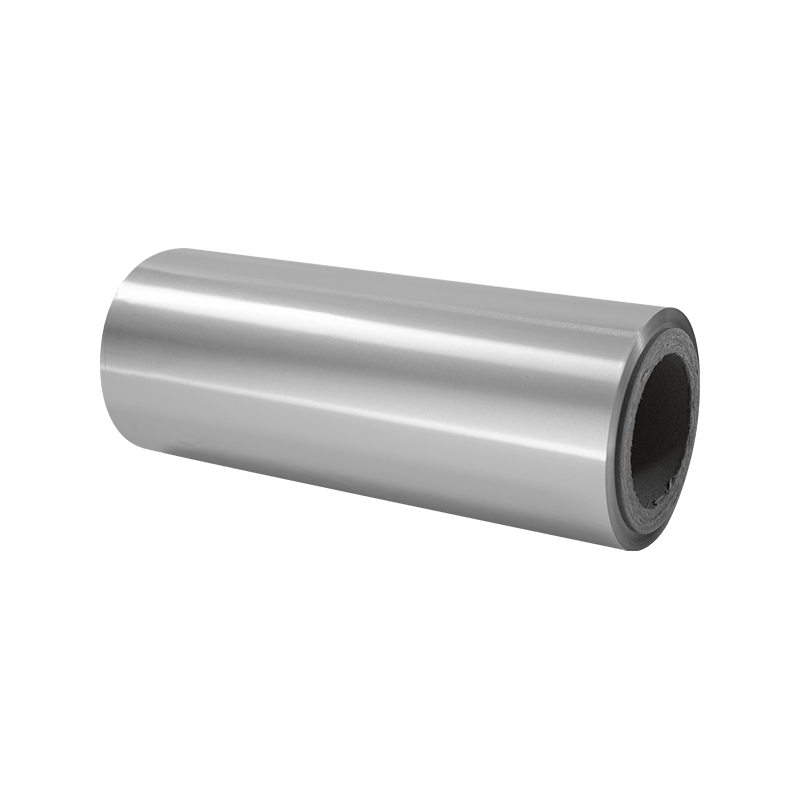
AL/PE Laminate Film combines the barrier properties of aluminum foil with the flexibility and heat-s...
See Details -
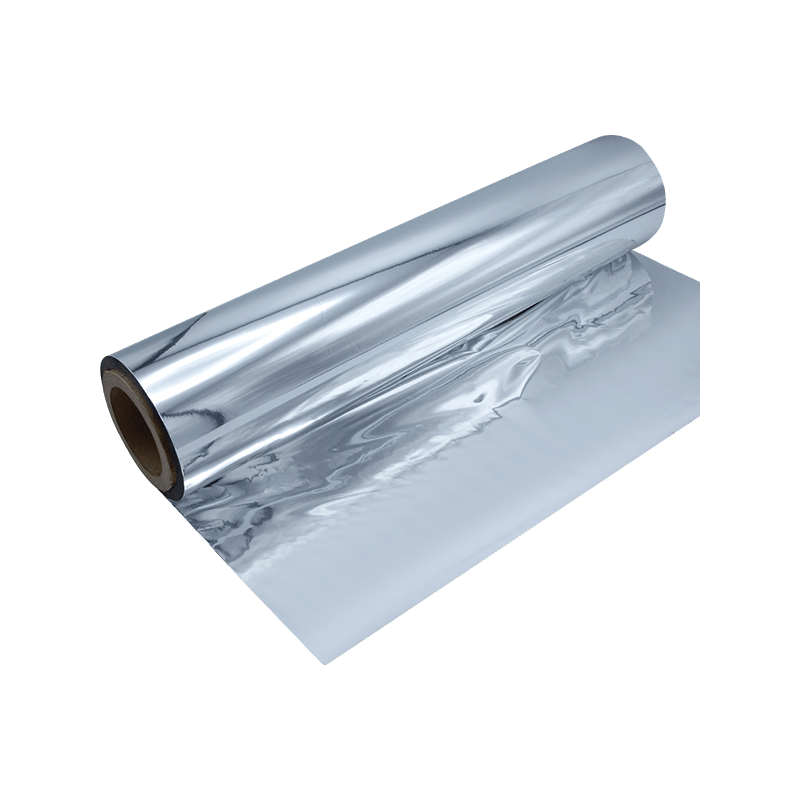
This dual-layer structure significantly improves barrier properties, durability, and cost-effectiven...
See Details -
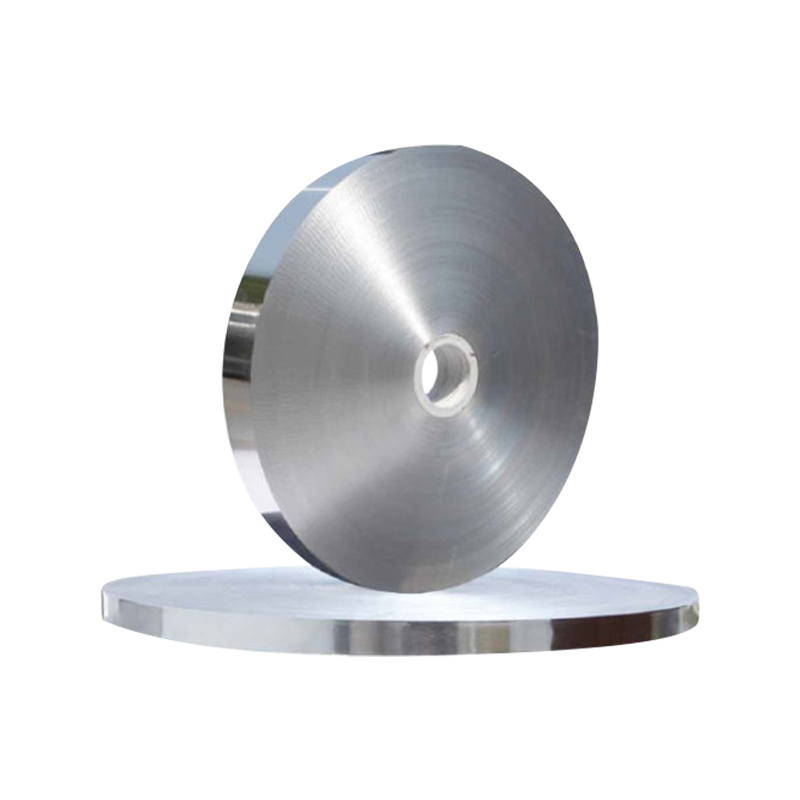
AL/BOPP Laminate Film is a composite film made by laminating aluminum foil with biaxially BOPP film....
See Details