English
 Español
 Português
CPP film is a type of PP film, which is divided into BOPP film and CPP film. CPP film is a soft film...
See Details
Industry News
How Can CPP Film Enhance Packaging Efficiency and Performance?
Date:May 13, 2026
Introduction to CPP Film in Packaging
Cast Polypropylene (CPP) film has emerged as a high-performance material in the packaging industry, offering enhanced flexibility, strength, and sealing capabilities. Unlike conventional polyethylene films, CPP provides superior heat seal strength, clarity, and durability, making it an ideal solution for manufacturers aiming to improve packaging efficiency while maintaining product protection. This article explores the practical benefits, applications, and strategies for leveraging CPP film to optimize packaging processes.
Key Advantages of CPP Film
CPP film delivers multiple advantages that directly impact packaging efficiency, cost savings, and product integrity. Its unique polymer structure allows for enhanced flexibility, excellent heat-seal performance, and resistance to tearing or punctures.
Superior Heat Seal Strength
CPP film achieves strong heat seals at relatively low temperatures, reducing energy consumption during the packaging process. The robust seals prevent leaks and product contamination, particularly for food, pharmaceuticals, and sensitive consumer goods. Strong sealing minimizes packaging errors and waste, enhancing overall production efficiency.
Flexibility and Durability
The flexibility of CPP film allows it to conform to irregular shapes and sizes without cracking or splitting. It is less prone to tearing compared to standard polyethylene, making it suitable for high-speed packaging lines and automated machinery. Durability extends the shelf life of products by providing effective protection against mechanical stress, punctures, and environmental factors such as humidity or dust.
Clarity and Printability
CPP film is optically clear, allowing consumers to view the product without opening the package. High-quality printing and branding are possible on CPP films due to their smooth surface, which can support flexographic or rotogravure printing. This visual appeal enhances product marketability while supporting efficient inventory and quality checks.
Improving Packaging Efficiency with CPP Film
Efficient packaging is crucial for reducing production costs, minimizing material waste, and optimizing supply chains. CPP film contributes to packaging efficiency through several practical mechanisms that streamline operations.
High-Speed Compatibility
CPP film can be used on high-speed automated packaging lines without compromising seal quality or material integrity. Its consistent thickness and uniform surface reduce machine jams, misfeeds, and packaging defects, allowing for faster production cycles.
Reduced Material Waste
Due to its superior sealing and durability, CPP film requires fewer layers compared to traditional films, reducing material consumption. Strong seals and puncture resistance minimize product loss due to leaks or tears. This material efficiency translates into lower raw material costs and reduced environmental impact.
Energy Savings
The lower sealing temperature of CPP film reduces the energy required during heat sealing operations. In large-scale production, this energy efficiency can lead to substantial cost savings while supporting sustainability goals.
Applications of CPP Film in Packaging
CPP film’s versatility enables its use in multiple industries and packaging formats, providing both functional and aesthetic benefits.
Food Packaging
CPP film is widely used for snack packaging, frozen foods, confectionery, and baked goods. Its excellent barrier properties, transparency, and heat seal performance maintain freshness and prevent contamination, while flexibility allows packaging of irregularly shaped items.
Pharmaceutical and Medical Packaging
CPP film is ideal for packaging medical devices, tablets, and sterile products due to its strong seals, chemical resistance, and durability. Transparent films allow visual inspection while maintaining product integrity and compliance with industry standards.
Consumer Goods Packaging
Flexible consumer products such as cosmetics, stationery, and electronics are often packaged using CPP film. Its printability supports high-quality branding, while the material’s flexibility accommodates various shapes and sizes, improving packaging line efficiency.
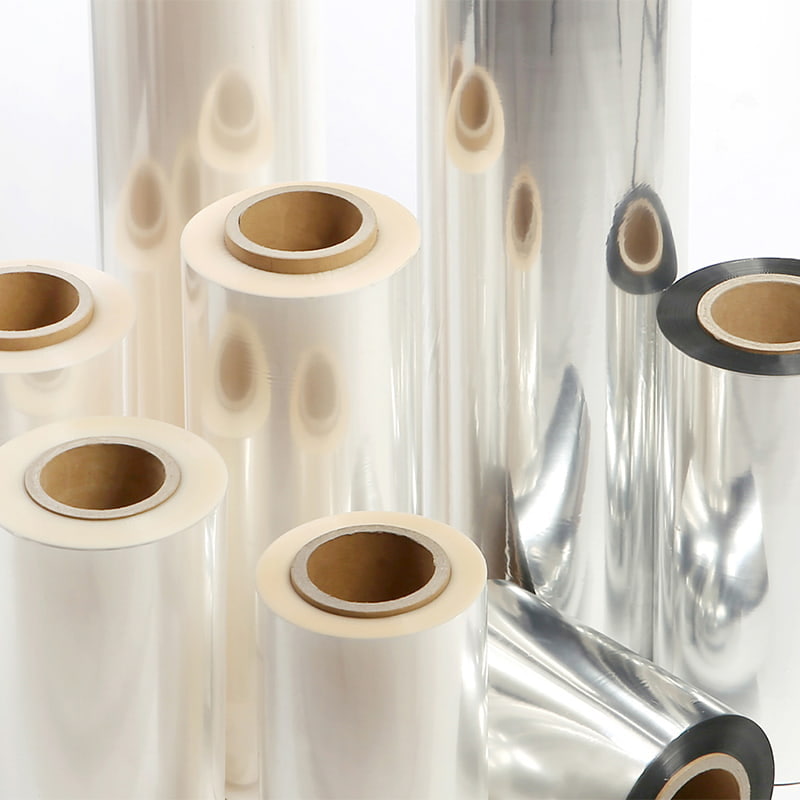
Comparison of CPP Film vs Traditional Films
| Property | CPP Film | PE Film | BOPP Film |
| Seal Strength | High | Moderate | Moderate |
| Flexibility | Excellent | Good | Limited |
| Transparency | High | High | High |
| Durability | High | Moderate | Moderate |
| Energy Efficiency | High | Moderate | Moderate |
Best Practices for Using CPP Film
- Ensure proper heat sealing temperatures are used to maximize seal strength and prevent film damage.
- Use CPP film with consistent thickness to minimize machine jams and ensure uniform packaging.
- Combine CPP with other films like PE or barrier layers for enhanced moisture, oxygen, or light protection.
- Regularly inspect packaging lines to maintain high-speed efficiency and reduce waste.
- Select CPP film grades based on product type, desired transparency, and shelf life requirements.
Conclusion
CPP film offers practical solutions to enhance packaging efficiency across industries. Its superior seal strength, flexibility, transparency, and energy-saving properties make it a preferred choice for food, pharmaceuticals, and consumer goods. Implementing CPP film into packaging lines not only reduces material waste and production errors but also improves product protection and presentation. By understanding its benefits and applying best practices, manufacturers can maximize efficiency, reduce costs, and meet both operational and sustainability goals.
Related products
-
-
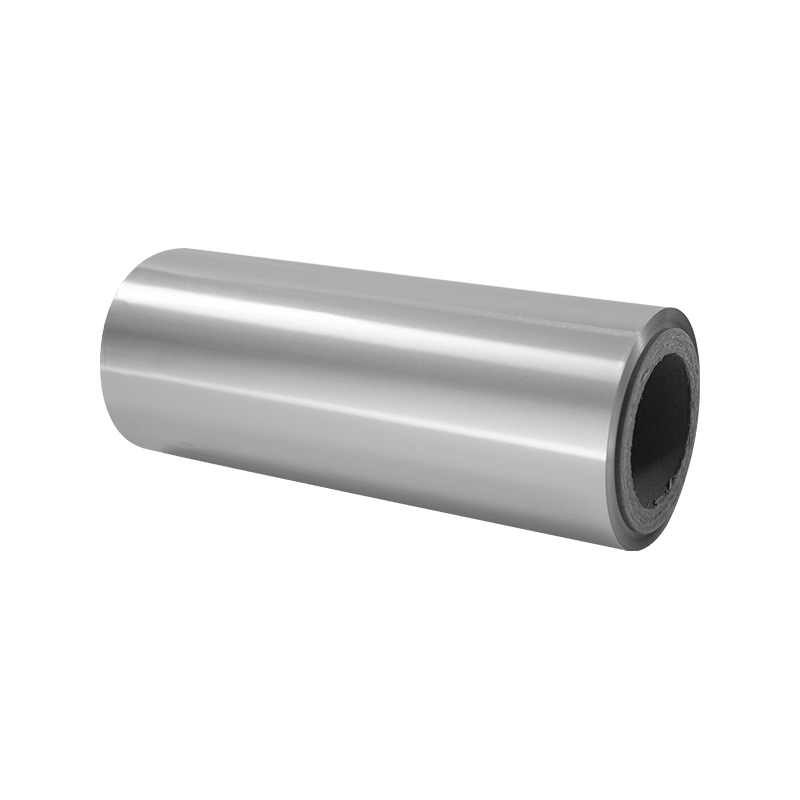
The four-layer composite film of PET/AL/PA/CPP combines four materials with distinct properties thro...
See Details -
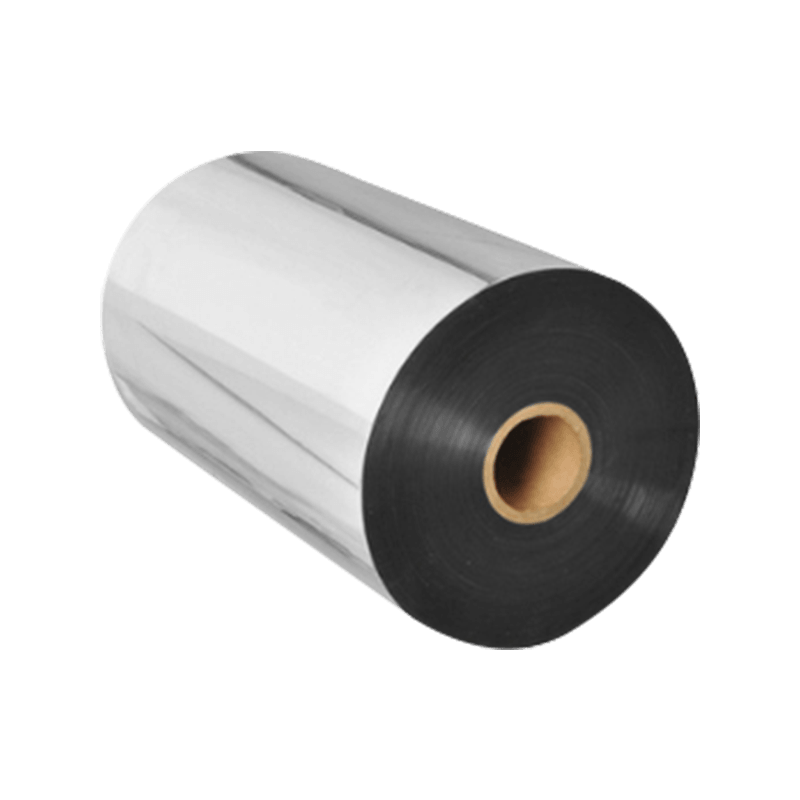
The substrate of VMCPP film is transparent CPP, with one side treated by corona and aluminized, whil...
See Details -
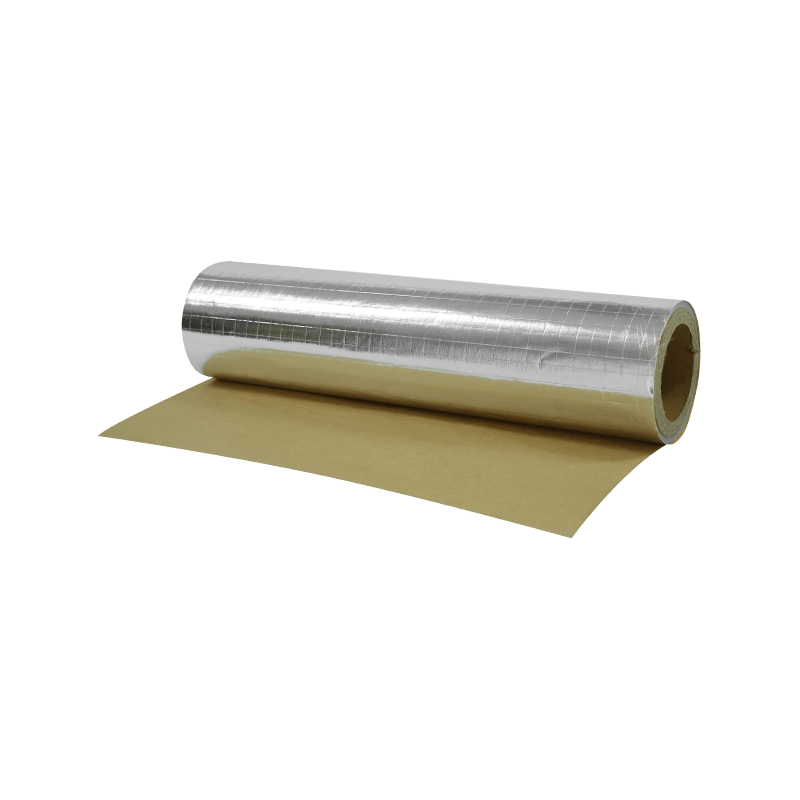
FSK: This product adopts a composite structure of aluminum foil and kraft paper, and by using scrim,...
See Details -
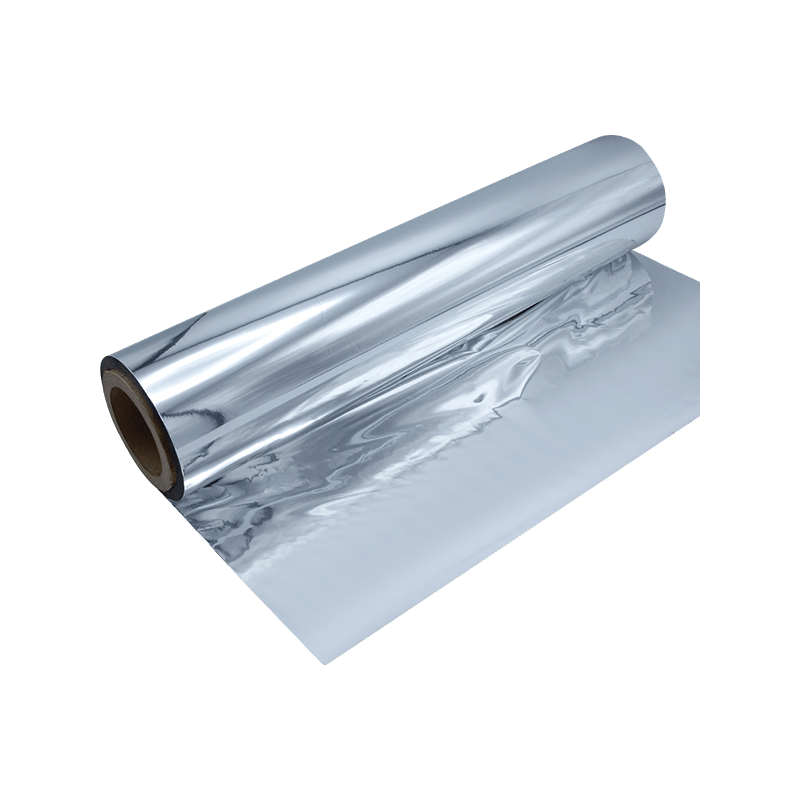
This dual-layer structure significantly improves barrier properties, durability, and cost-effectiven...
See Details -
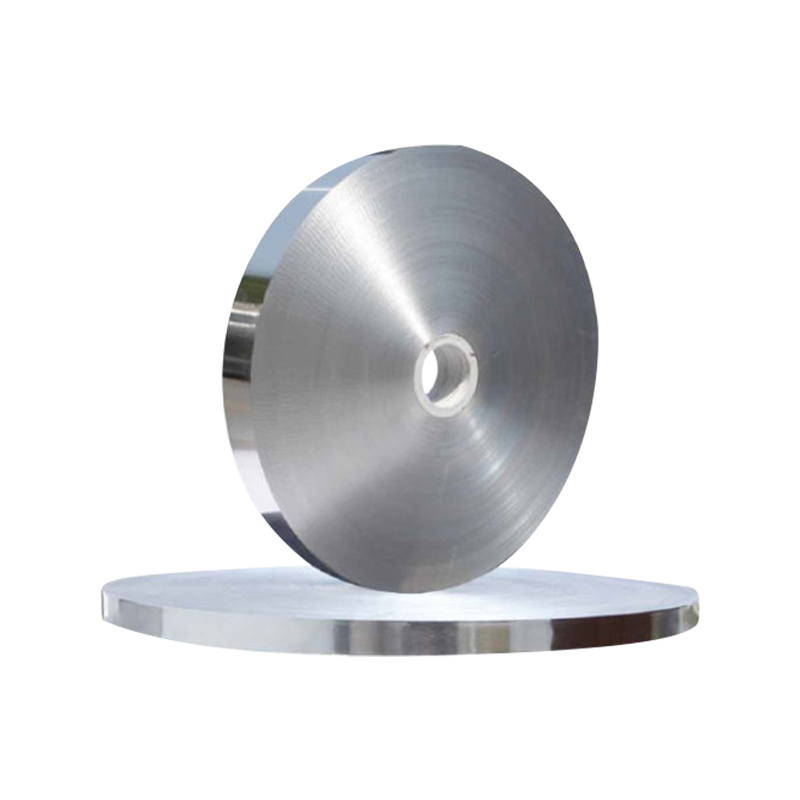
AL/BOPP Laminate Film is a composite film made by laminating aluminum foil with biaxially BOPP film....
See Details