English
 Español
 Português
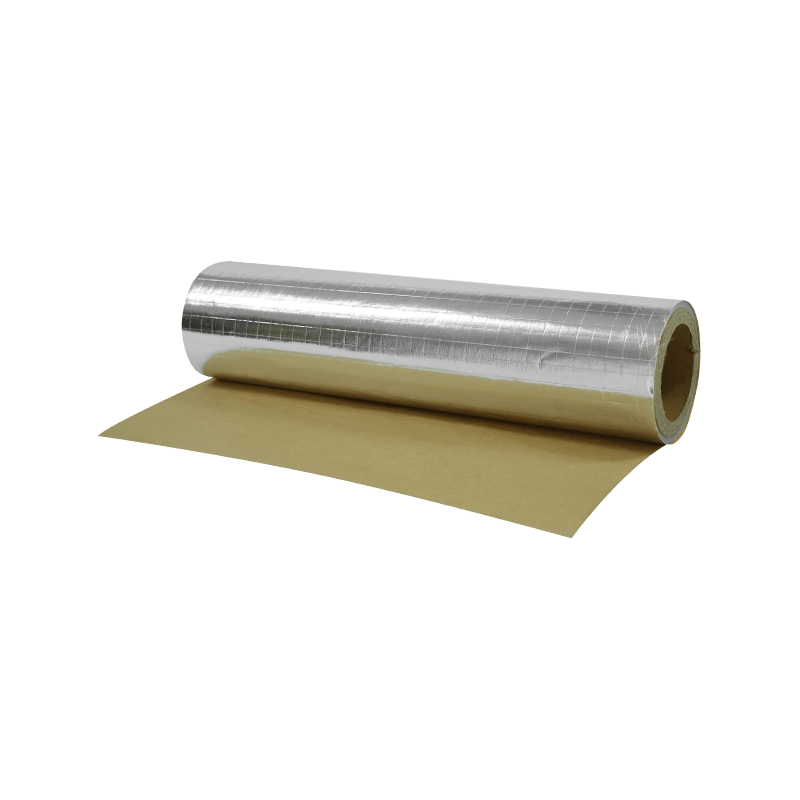
FSK: This product adopts a composite structure of aluminum foil and kraft paper, and by using scrim,...
See Details
Industry News
Home / News / Industry News / Why Is AL/Kraft Paper Laminate Film Ideal for Modern Insulation Systems?
Why Is AL/Kraft Paper Laminate Film Ideal for Modern Insulation Systems?
Date:May 25, 2026
Understanding AL/Kraft Paper Laminate Film
AL/Kraft Paper Laminate Film is a high-performance composite facing material widely used in thermal insulation systems, HVAC duct insulation, building envelopes, industrial pipelines, and other applications that require moisture resistance and thermal efficiency. The product combines aluminum foil, kraft paper, and reinforcing scrim into a durable laminated structure that delivers both mechanical strength and environmental protection.
The aluminum foil layer provides excellent vapor barrier performance and heat reflectivity, while the kraft paper contributes flexibility, toughness, and tear resistance. Reinforcing scrim, available in 2-way or 3-way configurations, significantly improves tensile strength and dimensional stability. Together, these layers create a lightweight yet durable insulation facing suitable for demanding construction and industrial environments.
As energy efficiency standards continue to rise globally, AL/Kraft Paper Laminate Film has become increasingly important in modern insulation systems. Its ability to reduce energy loss, resist moisture penetration, and maintain long-term performance makes it a preferred solution for manufacturers, contractors, and building owners.
Composite Structure and Material Composition
The effectiveness of AL/Kraft Paper Laminate Film comes from its carefully engineered multi-layer structure. Each component serves a specific function that contributes to the product’s overall performance.
Aluminum Foil Layer
The aluminum foil acts as the primary barrier against moisture, vapor, and radiant heat transfer. Aluminum naturally reflects thermal radiation, helping insulation systems improve energy efficiency. It also prevents water vapor from penetrating insulation materials, which helps reduce mold growth, corrosion, and insulation degradation.
Kraft Paper Layer
Kraft paper enhances flexibility and mechanical durability. Compared with plain foil facings, the kraft paper backing provides better puncture resistance and improves handling during transportation and installation. The material also helps reduce cracking or damage when applied to curved or uneven surfaces.
Scrim Reinforcement
Scrim reinforcement consists of fiberglass yarns or other strengthening fibers embedded between layers. Optional 2-way or 3-way scrim designs improve tensile strength, dimensional stability, and tear resistance. This reinforcement is particularly valuable in large-scale insulation projects where installation stress and environmental exposure are more demanding.
Core Advantages of AL/Kraft Paper Laminate Film
AL/Kraft Paper Laminate Film offers several practical benefits that make it highly suitable for industrial and construction applications.
- Excellent moisture resistance and vapor barrier protection
- Strong thermal insulation performance through radiant heat reflection
- Lightweight structure that reduces transportation and installation costs
- Enhanced durability and tensile strength with scrim reinforcement
- Long service life with minimal maintenance requirements
- Good flexibility for complex installation environments
Lightweight and Cost Efficient
One of the major advantages of AL/Kraft Paper Laminate Film is its low weight compared to metal cladding or heavier insulation facings. Lightweight materials reduce transportation expenses, simplify handling, and improve installation speed. Contractors benefit from lower labor costs and increased project efficiency.
Superior Thermal Performance
The reflective aluminum surface helps minimize radiant heat transfer. In HVAC systems and building insulation applications, this contributes to more stable indoor temperatures and reduced energy consumption. Improved thermal efficiency can lower heating and cooling costs over the long term.
Long-Term Durability
The combination of foil, kraft paper, and scrim reinforcement creates a material capable of withstanding mechanical stress, humidity, and environmental fluctuations. The reinforced structure reduces the risk of tearing or delamination, even in challenging installation conditions.
Applications in Building and Industrial Insulation
AL/Kraft Paper Laminate Film is widely used across multiple industries because of its versatility and reliable performance.
HVAC Duct Insulation
Heating, ventilation, and air conditioning systems require insulation materials that can prevent heat loss and moisture accumulation. AL/Kraft facings are commonly laminated onto fiberglass insulation for air ducts, helping maintain energy efficiency while protecting insulation from condensation.
Roof and Wall Insulation
Modern building envelopes depend on effective thermal barriers to reduce energy usage. AL/Kraft Paper Laminate Film is often used as an insulation facing for walls, roofs, and attic systems because it combines vapor resistance with durable reinforcement.
Industrial Pipeline Protection
Industrial pipelines operating at varying temperatures require insulation systems that can resist moisture and thermal loss. The laminate film protects insulation layers while improving the overall efficiency of industrial equipment and process systems.
Cold Storage and Refrigeration
Cold storage facilities and refrigeration systems must control moisture infiltration carefully. AL/Kraft laminate facings provide reliable vapor barriers that help maintain insulation effectiveness and prevent condensation-related damage.
Comparison with Other Insulation Facing Materials
Different insulation facings offer varying levels of performance, cost, and durability. Understanding these differences helps buyers select the right material for specific applications.
| Material | Moisture Resistance | Strength | Thermal Performance | Cost |
| AL/Kraft Laminate Film | Excellent | High | Excellent | Medium |
| Plain Aluminum Foil | Excellent | Low | Excellent | Low |
| Polypropylene Facing | Good | Moderate | Moderate | Medium |
| PVC Facing | Good | High | Moderate | Medium-High |
| Glass Fiber Cloth | Moderate | Excellent | Good | High |
Compared with standard foil facings, AL/Kraft laminate film provides significantly improved durability and flexibility. Compared with synthetic plastic facings, it offers better thermal reflectivity and environmental stability.
Importance of Scrim Reinforcement
Scrim reinforcement plays a critical role in enhancing product performance. In many insulation systems, facings experience mechanical tension during installation or long-term building movement. Without reinforcement, thin foil structures may tear or wrinkle easily.
2-way scrim reinforcement improves tensile strength in horizontal and vertical directions, making it suitable for standard insulation applications. 3-way scrim structures provide additional diagonal reinforcement, which improves stability under more demanding conditions.
The added strength also improves dimensional stability during temperature fluctuations. This helps insulation systems maintain their integrity and appearance over time.
Installation and Handling Benefits
Contractors and installers often prefer AL/Kraft Paper Laminate Film because it is easier to work with than many rigid insulation facings. The material can be cut, folded, wrapped, and laminated efficiently during construction.
- Flexible enough for curved ductwork and irregular surfaces
- Reduced tearing during fastening and handling
- Compatible with multiple insulation materials
- Supports faster installation processes
These installation advantages help reduce labor time while minimizing material waste on job sites.
Environmental and Energy Efficiency Benefits
Energy conservation has become a major priority in modern construction and industrial operations. AL/Kraft Paper Laminate Film contributes to sustainability goals by improving insulation performance and reducing energy loss.
By reflecting radiant heat and preventing thermal leakage, the material helps lower heating and cooling demands in buildings. Reduced energy consumption not only decreases operational costs but also lowers carbon emissions associated with HVAC systems.
The product’s long service life also supports sustainability by reducing replacement frequency and minimizing maintenance requirements. Durable insulation systems generate less waste over time and improve overall lifecycle efficiency.
Choosing the Right AL/Kraft Laminate Film
Selecting the right laminate facing depends on the intended application, environmental conditions, and insulation requirements. Buyers should evaluate several important factors before choosing a product.
- Foil thickness and vapor barrier requirements
- Type of scrim reinforcement needed
- Compatibility with insulation materials
- Operating temperature range
- Installation environment and humidity conditions
Manufacturers often provide customized laminate structures for specialized industrial applications. Working with experienced suppliers ensures the selected product meets performance expectations and regulatory standards.
Conclusion
AL/Kraft Paper Laminate Film has become an essential material in modern insulation systems because it combines durability, thermal performance, moisture resistance, and installation flexibility in a single composite structure. The integration of aluminum foil, kraft paper, and scrim reinforcement creates a reliable facing material capable of performing in demanding industrial and construction environments.
Its lightweight design helps reduce transportation and labor costs, while its reflective and vapor-resistant properties contribute to improved energy efficiency and long-term insulation protection. Compared with alternative facing materials, AL/Kraft laminate film provides an effective balance of performance, durability, and cost efficiency.
As building standards continue to emphasize sustainability and energy conservation, the demand for advanced insulation facings will continue to grow. AL/Kraft Paper Laminate Film is well positioned to remain a preferred solution for manufacturers, contractors, and facility owners seeking dependable and high-performance insulation materials.
Content
- 1 Understanding AL/Kraft Paper Laminate Film
- 2 Composite Structure and Material Composition
- 3 Core Advantages of AL/Kraft Paper Laminate Film
- 4 Applications in Building and Industrial Insulation
- 5 Comparison with Other Insulation Facing Materials
- 6 Importance of Scrim Reinforcement
- 7 Installation and Handling Benefits
- 8 Environmental and Energy Efficiency Benefits
- 9 Choosing the Right AL/Kraft Laminate Film
- 10 Conclusion
Recommended Articles
Related products
-

-
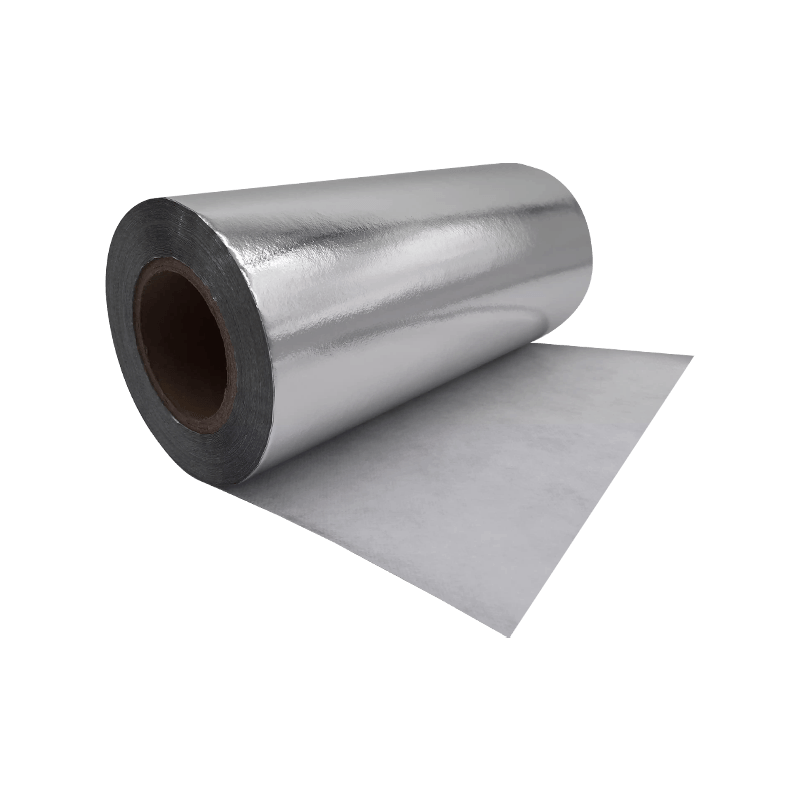
AL/Non-Woven Fabric Laminate Film is a cost-effective composite material that integrates the barrier...
See Details -
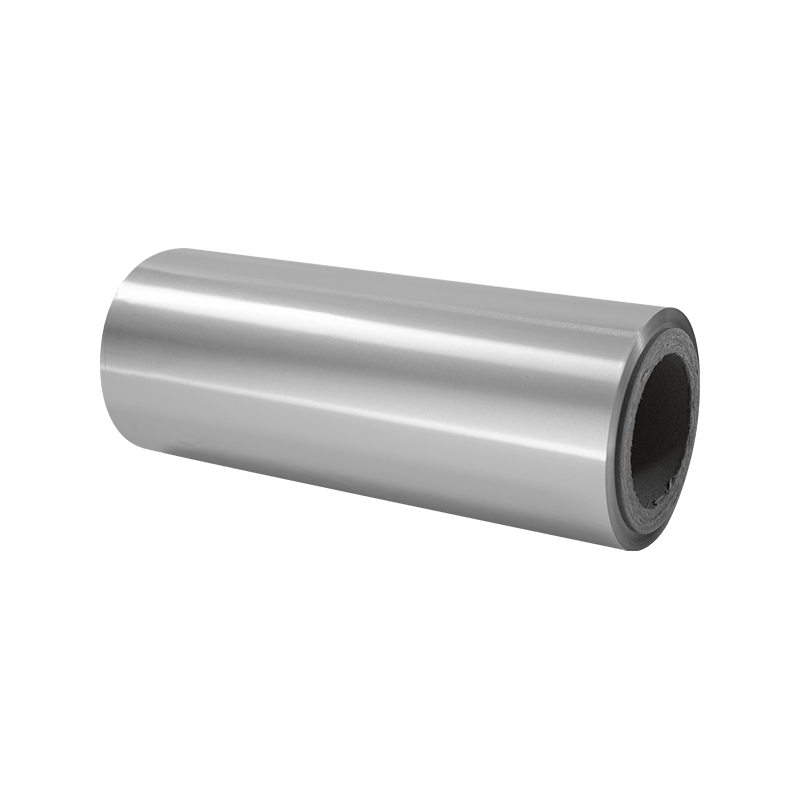
AL/PE Laminate Film combines the barrier properties of aluminum foil with the flexibility and heat-s...
See Details -
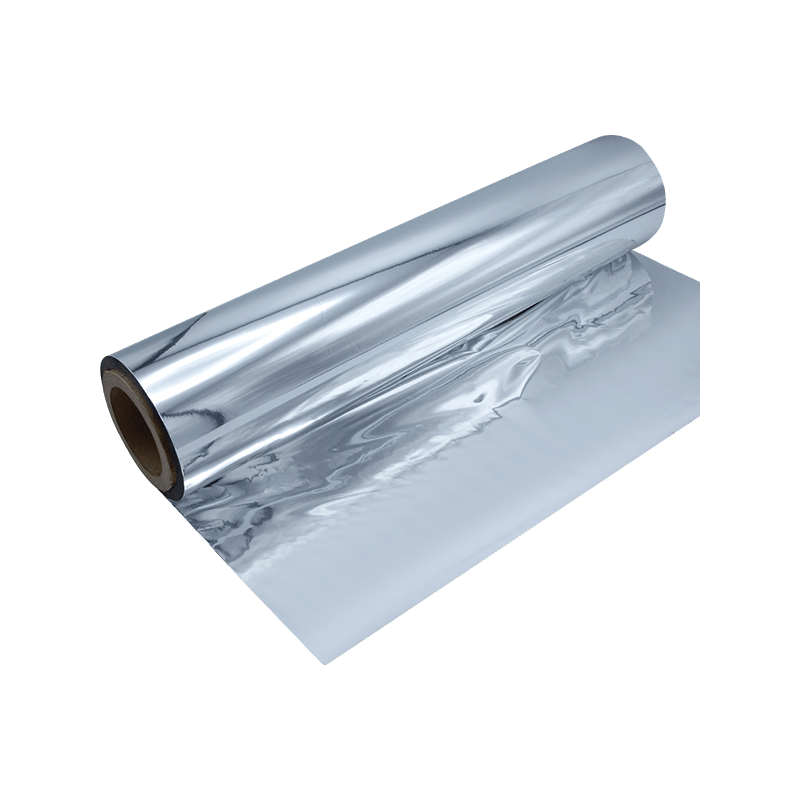
This dual-layer structure significantly improves barrier properties, durability, and cost-effectiven...
See Details -
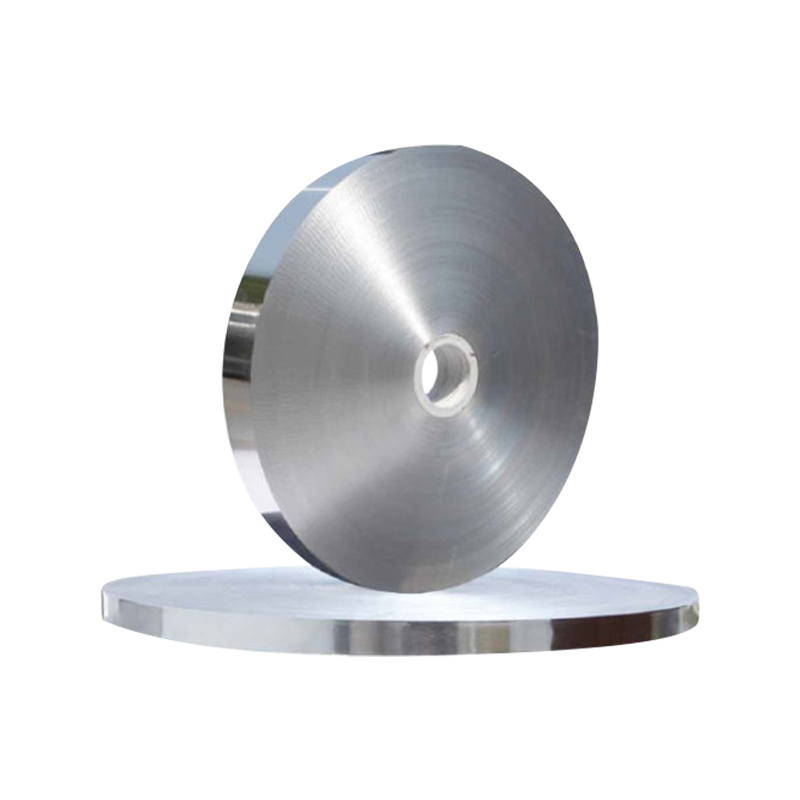
AL/BOPP Laminate Film is a composite film made by laminating aluminum foil with biaxially BOPP film....
See Details -
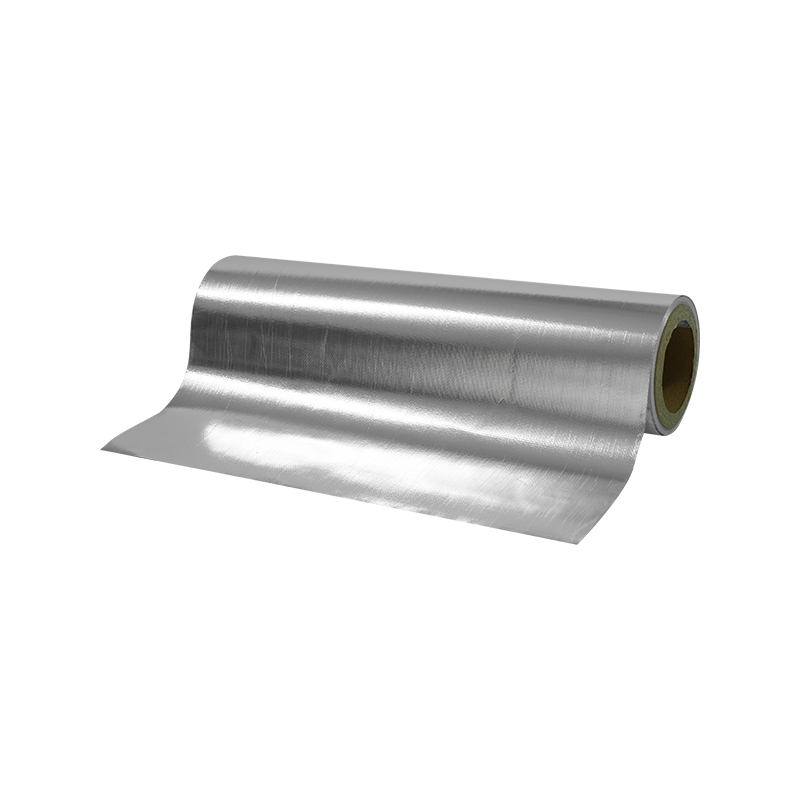
AL/Fiberglass Fabric laminate Film is a film with very high cost performance, especially its excelle...
See Details