English
 Español
 Português

AL/PE Woven Fabric is a high-performance composite material made by laminating premium aluminum foil...
See Details
Industry News
Home / News / Industry News / Sourcing Aluminum Laminated Films Directly from a 25-Year Manufacturer: Quality Consistency, OEM Flexibility & Cost Control
Sourcing Aluminum Laminated Films Directly from a 25-Year Manufacturer: Quality Consistency, OEM Flexibility & Cost Control
Date:Nov 12, 2026
Why the Number of Hands Between You and the Factory Matters
Most buyers of aluminum laminated film do not set out to work with a trader. It happens gradually: a quotation arrives quickly, the price looks fair, and the first order goes smoothly. The trouble tends to appear on the third or fourth shipment, when a roll behaves differently on the line and nobody can explain why.
The reason is structural. When material passes through two or three intermediaries, each one holds only part of the story. The trader knows the price and the delivery date, but not which adhesive lot went into a particular roll, or whether the formula was adjusted between orders. A question from your quality team has to travel back through every link in the chain, and the answer that comes back is often a polite guess.
Four problems follow from that gap, and buyers who have been through them will recognise each one.
- Information loss. Technical questions about structure, bonding or flame behaviour are relayed rather than answered.
- Batch variation. Without control of the adhesive, peel strength and appearance can drift from one order to the next.
- Unreliable lead times. A trader depends on someone else's production schedule, so a delay at the plant reaches you late and without detail.
- Added margin. Every layer of resale adds a premium that buys you nothing in performance.
For a duct maker or an insulation converter running continuous production, a single unexplained roll can stop a line. That is why more of them now look for an aluminum laminated film manufacturer they can speak to directly, rather than a catalogue with a markup.
What 25 Years of In-House Manufacturing Actually Controls
Experience in this industry is easy to claim and hard to verify, so it helps to look at what a factory really does with it. Over 25 years we have built a chain in which each critical step is under our own control, from raw aluminum to the finished, slit roll.
It starts with raw material. We buy aluminum directly at the source instead of taking whatever foil happens to be on the market, which gives us a stable base for thickness and surface quality. The next step is the adhesive. Our team develops its own modified polymer adhesive, because bond strength, heat resistance and flame behaviour are decided here more than anywhere else. A generic glue bought from a catalogue can only be adjusted around its limits, whereas a formula we own can be tuned to the structure and the end use.
Lamination follows, using both dry and thermal processes depending on the film and the application. Different substrates call for different methods, and being able to run both lets us choose the one that suits the product instead of forcing every job through the same machine. Finally, every roll is inspected and slit in-house, so width tolerance and edge quality are checked by the same people who made the laminate.
A direct factory foil insulation supplier with this kind of integration can answer technical questions on the spot, because the answers sit in its own process records.
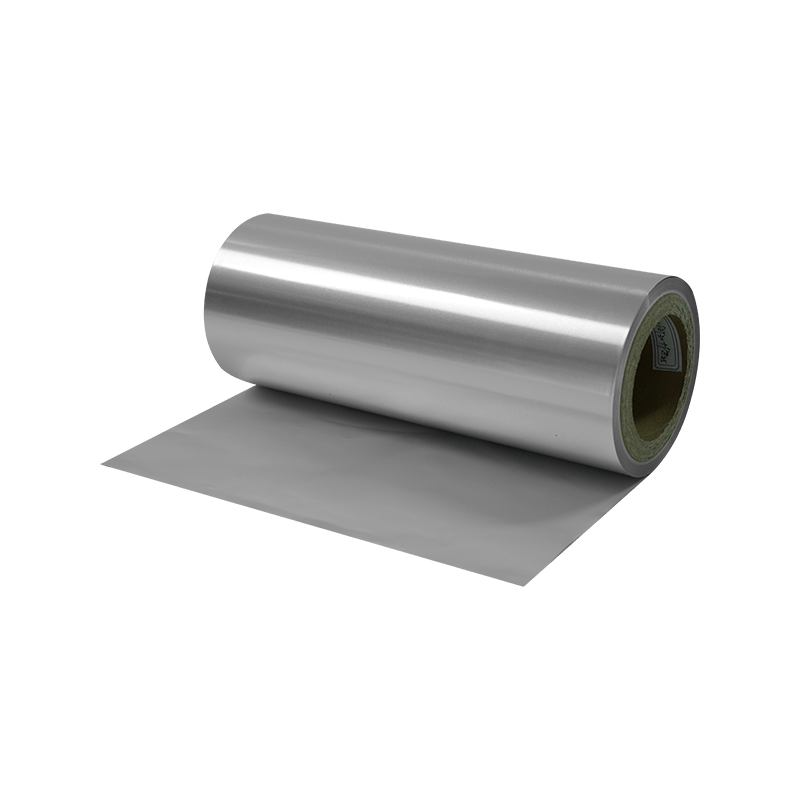 AL/PET Laminate Film for Duct and Insulation ApplicationsAluminum foil bonded to PET for moisture, oxygen and light barrier, with strong mechanical strength and dimensional stability.View Product →
OEM Flexibility: Building the Laminate Around Your Product
Buyers of film for ducts, insulation and cable rarely need a standard item. One customer wants a heavier structure for a rigid product, another a lightweight one for a flexible line, and a third needs a specific width to avoid trimming waste. An OEM foil lamination factory in China that works from the customer's drawing can solve these cases without a long redesign.
In practice that means structure, thickness, width and roll length are all agreed before production. A symmetric aluminum, PET and aluminum construction suits applications that need reflectivity on both faces, while a reinforced version with a fiberglass scrim adds tear resistance where installers will pull and fasten the material hard.
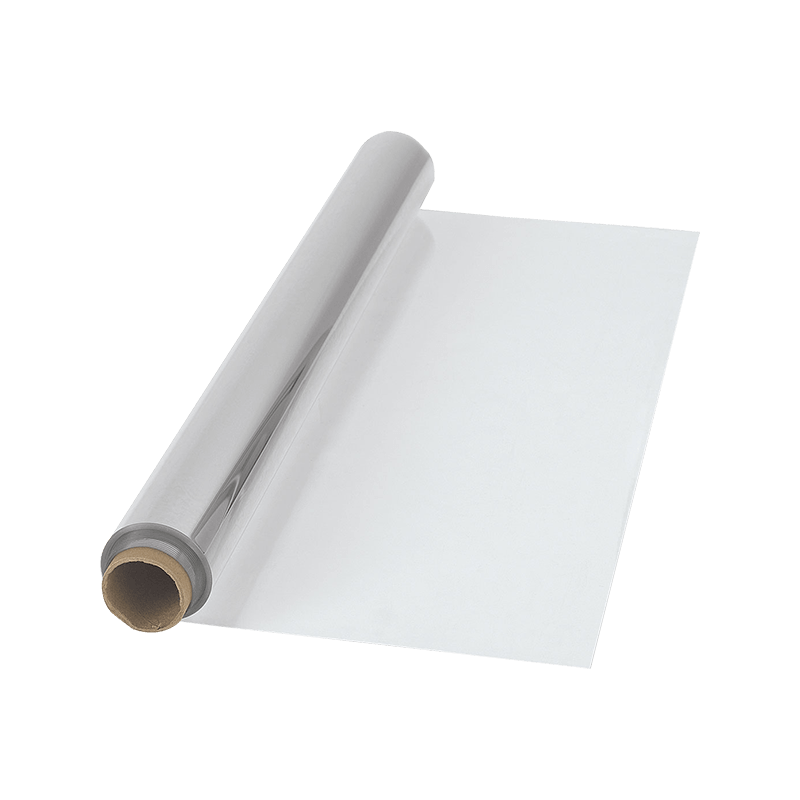 AL/PET/AL Triplex Film for Flexible Duct and Cable UseA symmetric three-layer laminate with a PET core between two aluminum foil layers, suited to flexible ducting and cable wrapping.View Product →
Volume matters too. Bulk aluminum duct film supply works best when the same specification can be repeated order after order without drift, and when production can be planned around the customer's own schedule. A factory that controls its own capacity can commit to dates in a way that a reseller cannot.
Traceability: Every Roll Carries Its Own Record
Consistency is only useful if it can be shown. For that reason each roll leaves our plant with its own traceability code, a QR label that links back to the quality record for that specific roll. Scanning it brings up the data your incoming inspection needs, without a phone call or an email thread.
The record covers the figures duct and insulation makers ask about most often: peel strength measured in N/15mm, flame-retardant grade, tensile strength and the results of ageing tests. These are collected in a certificate of analysis, usually shortened to COA, so a buyer can match a roll on the floor to a set of results instead of relying on a general datasheet.
| Record item | Why buyers check it |
| Peel strength (N/15mm) | Shows how well the layers are bonded and how likely they are to separate in service |
| Flame-retardant grade | Supports the fire performance requirements of the finished product |
| Tensile strength | Indicates how the film behaves on forming and installation |
| Ageing test results | Gives evidence of long-term stability under heat and time |
If a problem does appear later, the same code lets both sides trace it to a production date and process conditions. That shortens the conversation considerably, because the question changes from who is responsible to what exactly happened.
Getting the Film Overseas Safely: Export Packing That Protects the Roll
A good laminate can still be spoiled in transit. Weeks at sea expose cargo to humidity, temperature swings and the pressure of stacked loads, and aluminum film is sensitive to all three. Moisture can dull the surface and affect the adhesive, while a crushed core or dented edge can make a roll unusable on a high-speed line.
Our export packing is designed against those risks, layer by layer. Each roll is sealed in a moisture-proof vacuum film. The rolls then sit on heavy-duty wooden pallets, are secured with steel strapping and are protected at the corners so that handling and lashing do not mark the edges. The aim is for rolls to arrive dry and undistorted, ready to go on the machine.
Loading is planned as well. A container that is packed carelessly wastes space and raises the freight cost per roll, so we arrange pallets to make good use of the available volume without overloading the stack. For overseas customers, that planning is part of the saving: more usable material per container and fewer damaged rolls at the other end.
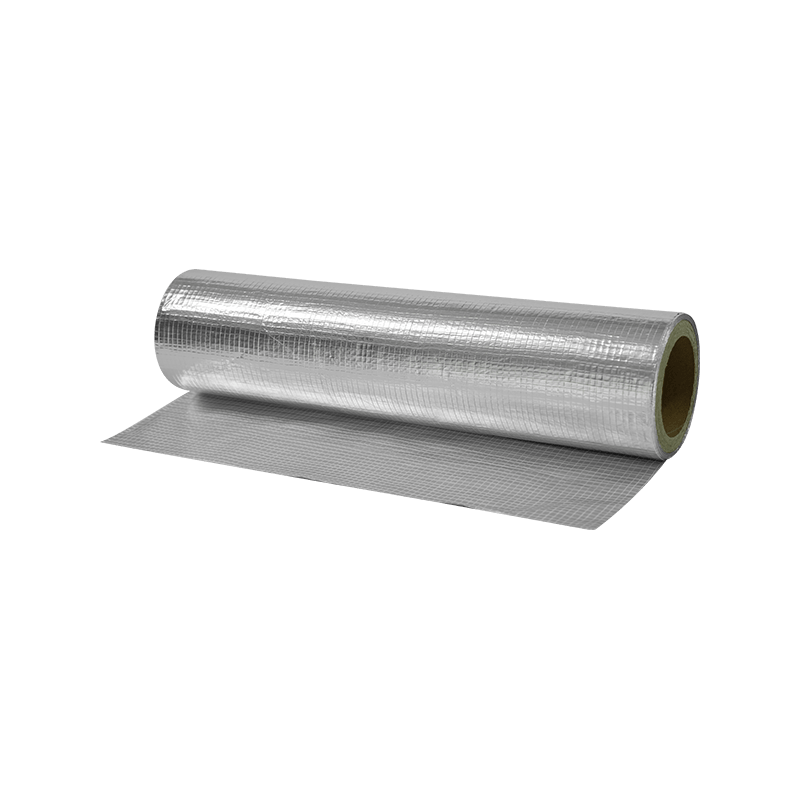 AL/Scrim/PET Triplex Film for Reinforced Insulation FacingAluminum foil, fiberglass scrim and PET combined for reflectivity, tensile strength and tear resistance in insulation and hose jackets.View Product →
Putting It Together: Quality, Flexibility and Cost
Buying directly does not only lower the price on paper. It shortens the path for information, keeps the adhesive and the process consistent, and gives a buyer someone accountable for the roll in front of them. For any B2B foil converter planning a long-term supply, those advantages tend to matter more than the first quotation.
If you are comparing suppliers, send us your drawing, the structure you currently use and your annual volume. We will tell you plainly whether our lines are a good fit, and we can arrange samples with full roll-level test records so you can judge consistency yourself before committing to a larger order.
Content
- 1 Why the Number of Hands Between You and the Factory Matters
- 2 What 25 Years of In-House Manufacturing Actually Controls
- 3 OEM Flexibility: Building the Laminate Around Your Product
- 4 Traceability: Every Roll Carries Its Own Record
- 5 Getting the Film Overseas Safely: Export Packing That Protects the Roll
- 6 Putting It Together: Quality, Flexibility and Cost
Recommended Articles
Related products
-
-
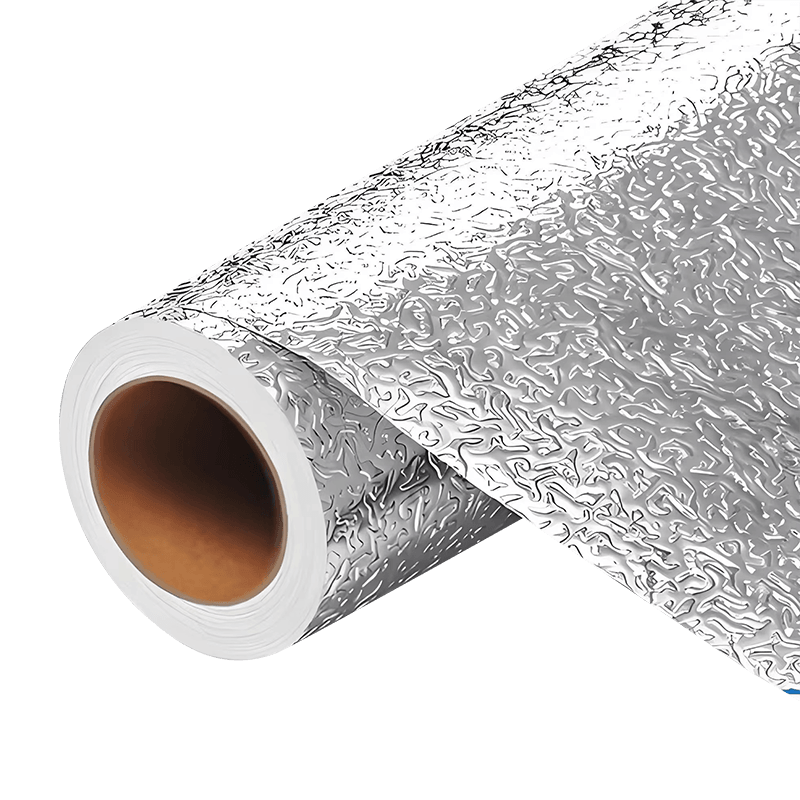
It is widely used in scenarios such as air filters, corrugated aluminum foil, phenolic board veneers...
See Details -
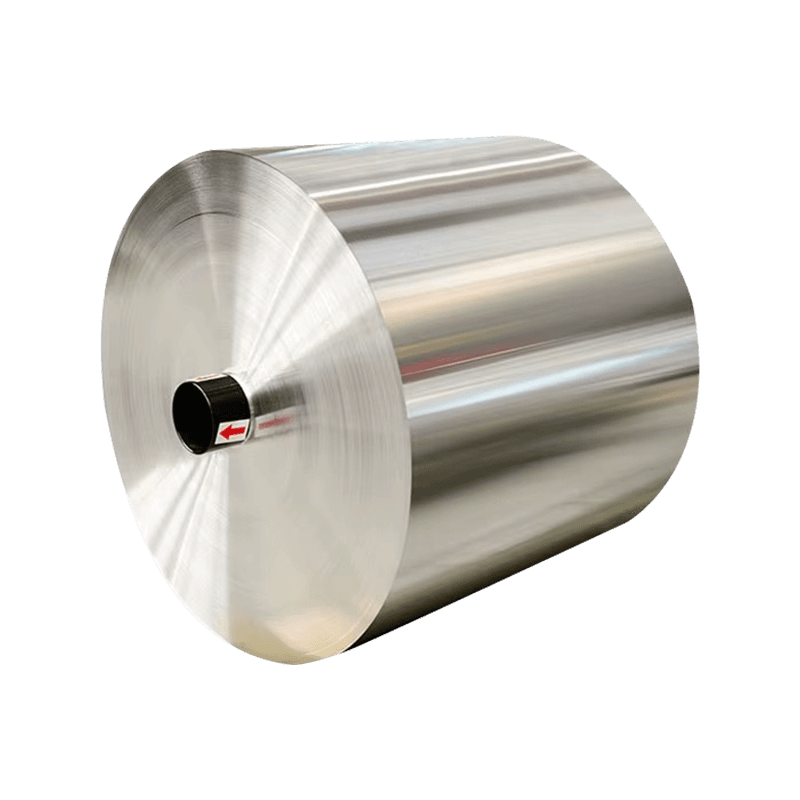
The 8011-O Ultra-Thin Aluminum Foil, Al-Fe-Si alloy contains a small amount of iron and silicon elem...
See Details -
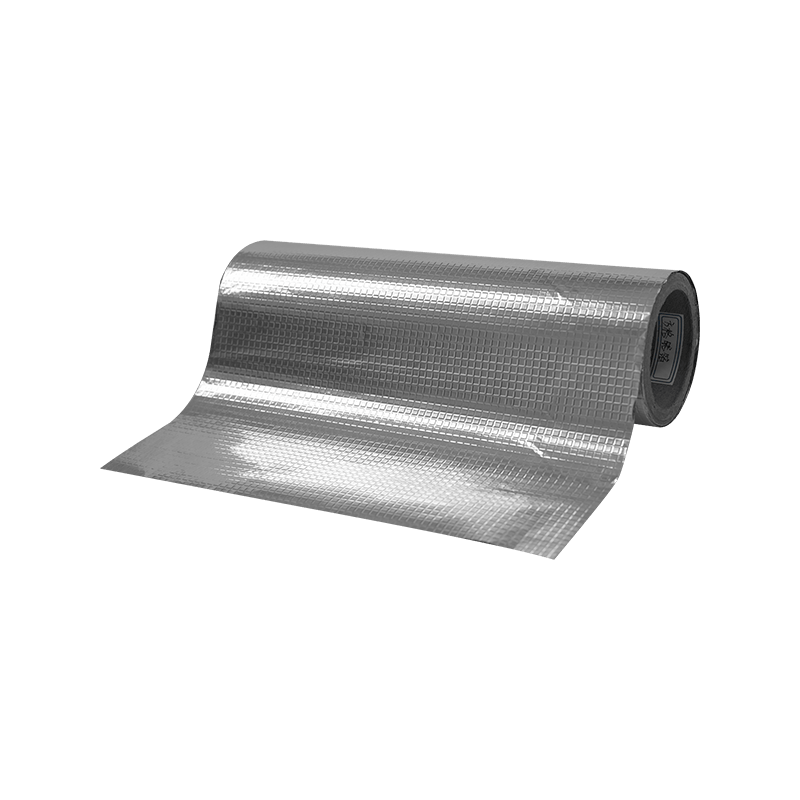
AL/PET Laminate Film is a high-performance composite film combining the metallic barrier of aluminum...
See Details -
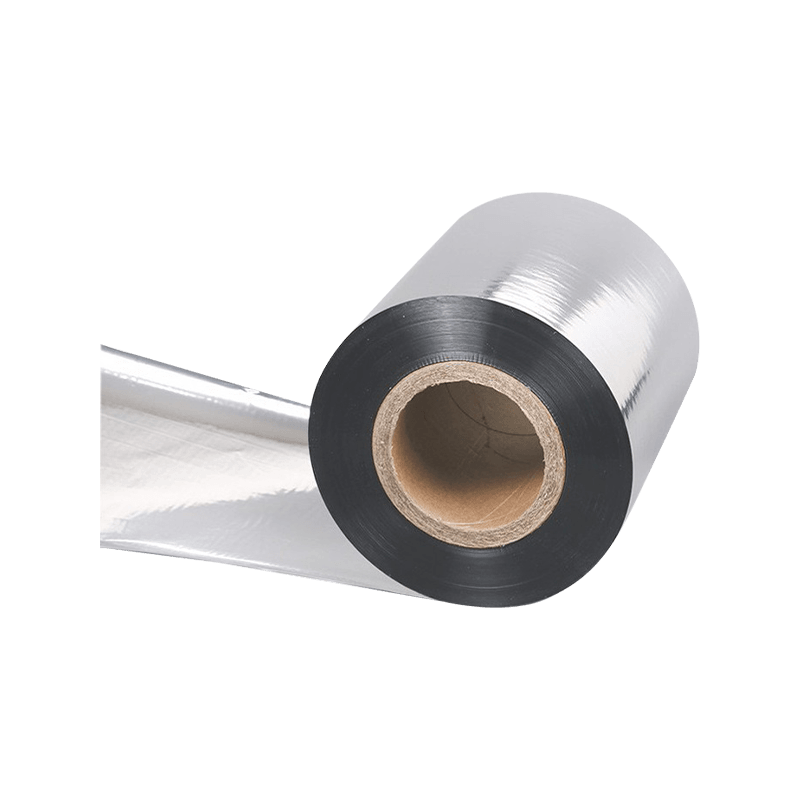
MPET/PE laminated film is a high-performance and cost-effective alternative to traditional AL/PET fi...
See Details -
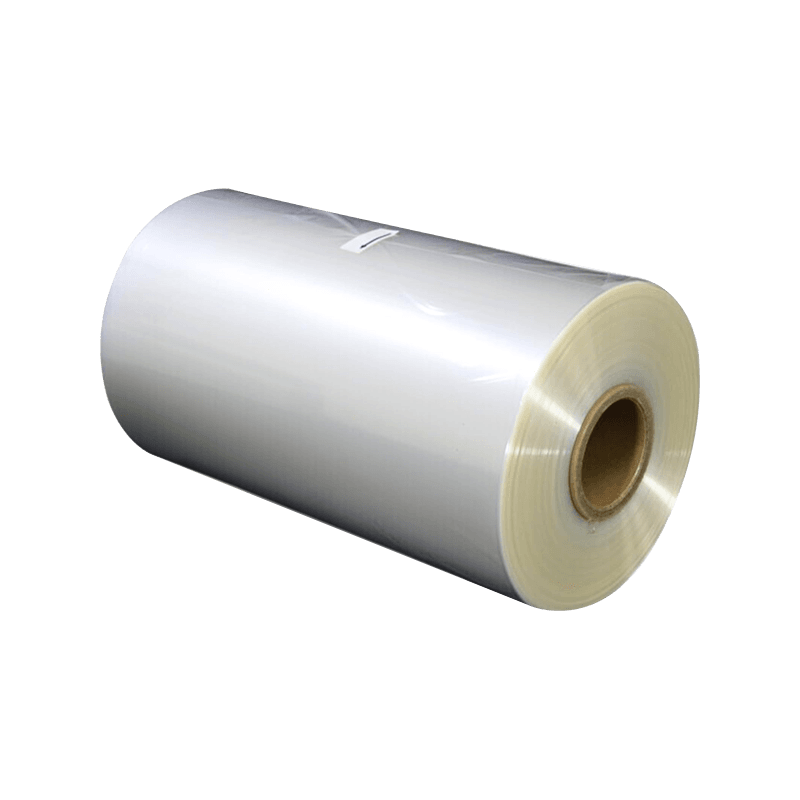
PET/PE laminated film is a method for dry composite processing, where PE film and PET film are lamin...
See Details