English
 Español
 Português

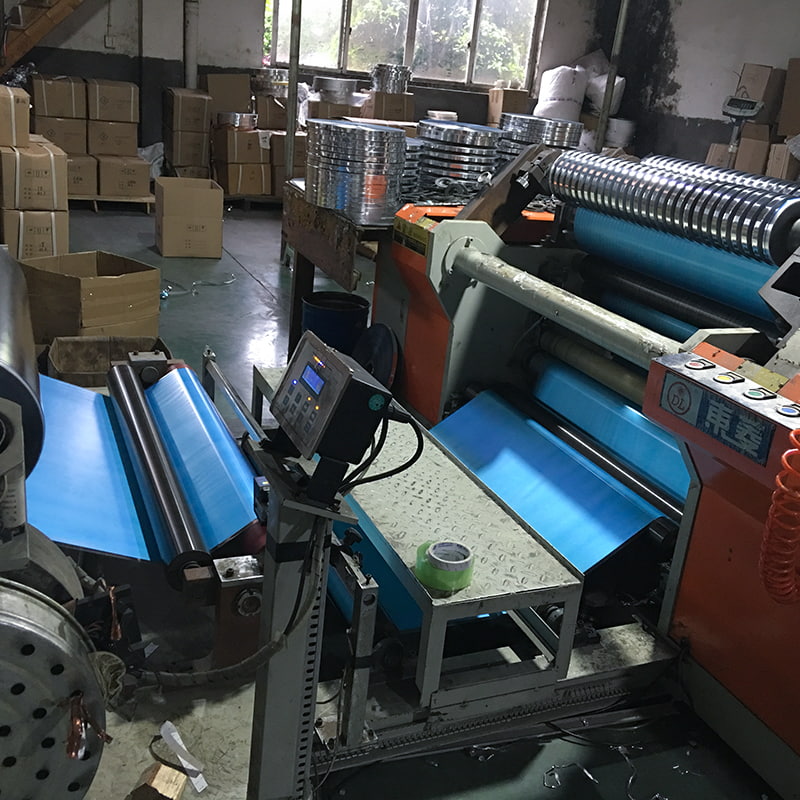
The 8011-O Ultra-Thin Aluminum Foil, Al-Fe-Si alloy contains a small amount of iron and silicon elem...
See Details
Industry News
Home / News / Industry News / How Does Slit Foil Edge Quality Prevent Jamming in High-Speed Flexible Duct Production?
How Does Slit Foil Edge Quality Prevent Jamming in High-Speed Flexible Duct Production?
Date:Nov 06, 2026
On a high-speed flexible duct line, the foil roll is often blamed last. Yet in the flexible air duct manufacturing process, small defects on the slit edge are a common cause of jams, strip breaks and scrap tubes. A factory with 25 years of experience in foil converting says the fix starts at the slitter, with precision slitting and rewinding, and it has set out how roll edge quality affects line stability and the cost of every finished duct.
Why High-Speed Lines Stop: Edge Defects and Core Errors
Forming machines run the strip under constant tension, so any weak point on the edge becomes a stress point. Three defects are behind most unplanned stoppages:
- Wavy ("lotus-leaf") edges: uneven edge length makes the strip track unevenly and wander in the guides.
- Microscopic burrs: tiny metal ridges on the cut edge catch on guides and rollers, and can start tears in the strip.
- Core concentricity error: an off-center core makes tension rise and fall with every turn, which at speed shows up as breaks.
When these defects combine, the forming machine sees repeated tension spikes. The result is strip breakage, wrinkled helix seams and tubes that fail inspection. For buyers of aluminum foil strip for duct manufacturing, the width and edge quality of the strip therefore matter as much as the foil's thickness or strength.
Controlling Quality at the Source: German CNC Slitting
The factory runs fully automatic, high-speed CNC slitting machines of German origin. According to the manufacturer, slit width tolerance is held within ±0.3 mm, and the slit edge is mirror-flat with no metal dust left on the strip. Clean edges matter on a duct line because loose metal fines can build up on rollers and contaminate the adhesive and seam area.
Tight width control also keeps the strip centered through the forming head, which helps when the same production line switches between duct diameters. The same controls apply across the factory's range, including aluminum pet laminated foil used for flexible duct constructions where layer bonding and edge integrity must hold at speed.
Flexible Customization Across Widths, Cores and Roll Lengths
Because duct makers run different products, the factory offers custom slit aluminum foil rolls built around each line's setup rather than a fixed catalog:
| Slit width | Any width from 5 mm to 1300 mm, including ultra-narrow cuts |
| Core inner diameter | 76 mm or 152 mm, or custom |
| Roll length | Specified meters per roll, from 100 m to 10,000 m jumbo rolls |
Ultra-narrow narrow width slit foil suits ducts and accessories that need thin reinforcement or sealing strips, while long rolls reduce how often an operator must stop the line to change over. Matching the core size to the machine's unwinder also avoids the adapter sleeves that can introduce concentricity errors.
The Economics: Yield and Waste
Edge quality shows up in the cost per meter of finished duct. According to the factory, a comparison of high-flatness sample rolls on customers' production lines showed:
- Equipment downtime reduced by about 70%
- Scrap rate for finished ducts brought down to below 0.5%
Fewer stoppages means more productive hours from the same machine. Lower scrap means less foil, less adhesive and less labor lost to rework. For a plant running several shifts, even a small drop in scrap can outweigh a small difference in the price per kilogram of foil.
What Buyers Should Ask Before Ordering
When qualifying a supplier of slit foil for a flexible duct line, the factory recommends checking:
- The guaranteed width tolerance, and how it is measured along the roll
- Edge condition, including burrs and waviness, under magnification
- Core concentricity and roll winding tension consistency
- Whether sample rolls can be trialed on the buyer's own line before a volume order
The factory supplies sample rolls for line trials and works from the buyer's machine specifications, so width, core and length can be confirmed before production. Duct makers looking to cut stoppages and scrap are invited to send their line parameters and request a sample of slit foil for evaluation.
Content
Recommended Articles
Related products
-
-
It is widely used in scenarios such as air filters, corrugated aluminum foil, phenolic board veneers...
See Details -
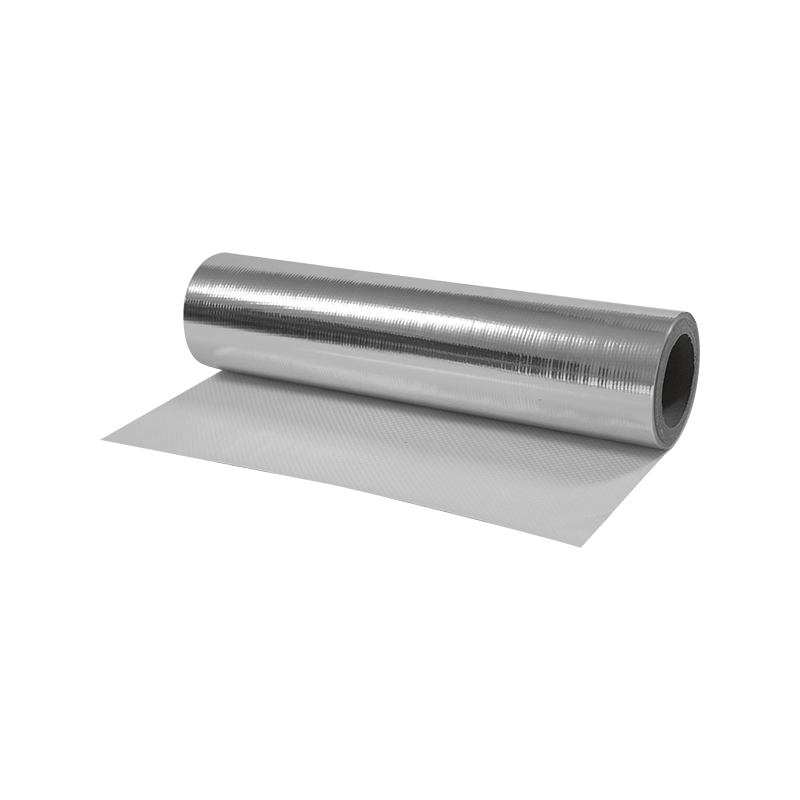
AL/PE Woven Fabric is a high-performance composite material made by laminating premium aluminum foil...
See Details -
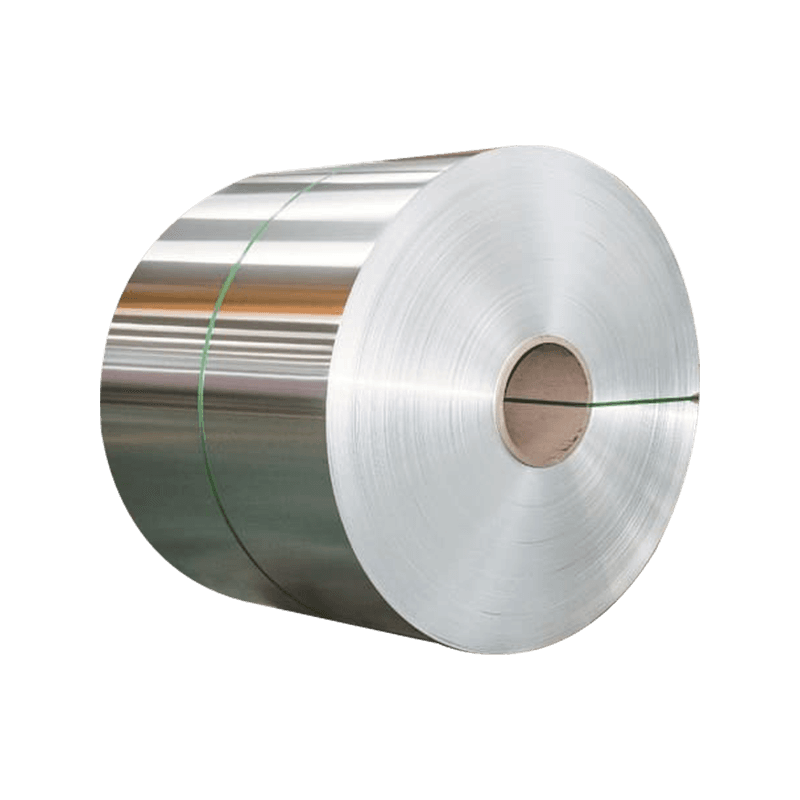
Aluminum strips are usually around 0.09-0.2mm in thickness, featuring better plasticity and electric...
See Details -
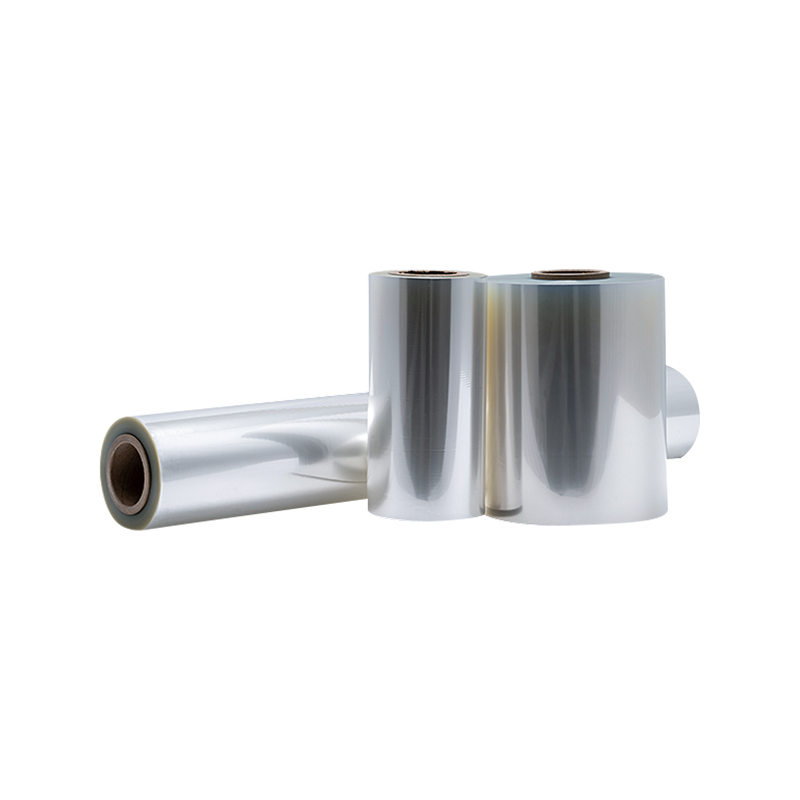
PET Shrink Film is renowned for its exceptional transparency, high tensile strength and recyclabilit...
See Details -
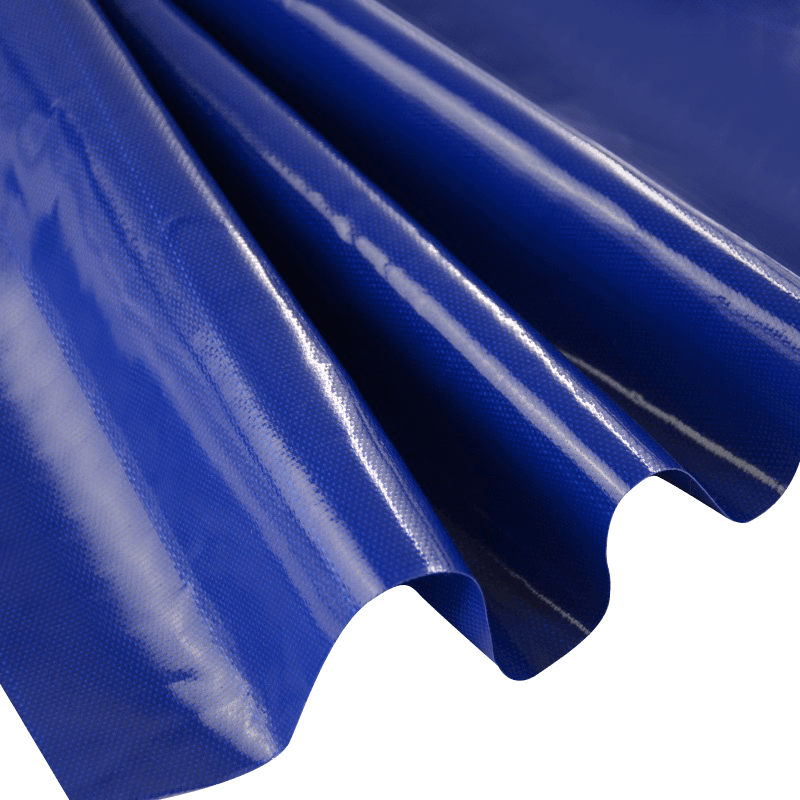
Reinforced PVC Mesh Fabric Film is a composite material made by laminating PVC film with a high-stre...
See Details