English
 Español
 Português
MPET/PE laminated film is a high-performance and cost-effective alternative to traditional AL/PET fi...
See Details
Industry News
Why Is VMPET Film Superior to Traditional Packaging Materials?
Date:May 06, 2026
Introduction to VMPET Film
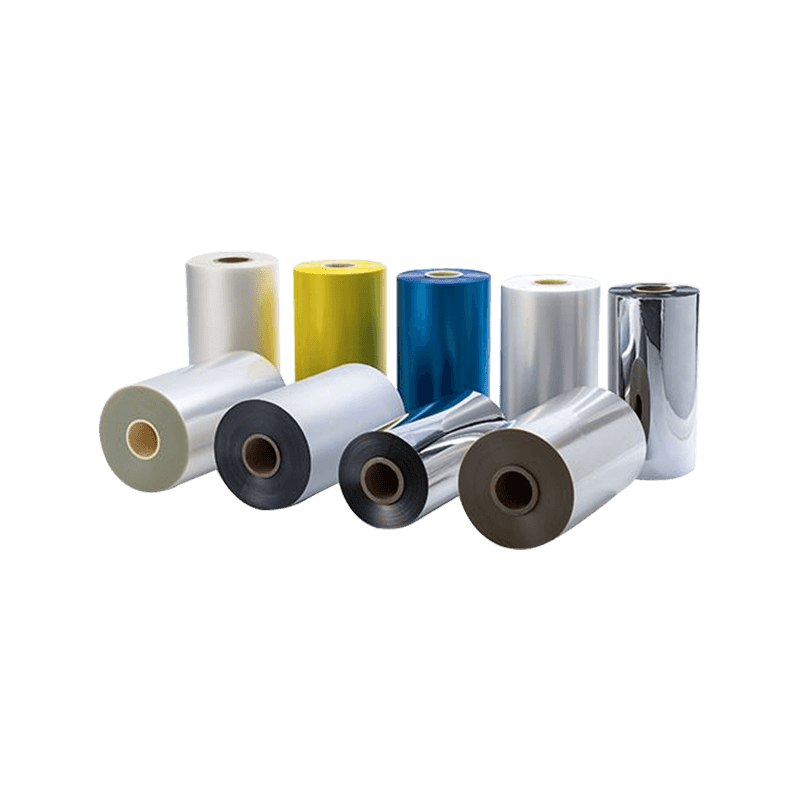
VMPET (Vacuum Metallized Polyethylene Terephthalate) film is a versatile packaging material that has gained widespread adoption across industries due to its superior properties compared to traditional packaging solutions like paper, aluminum foil, or standard plastic films. The vacuum metallization process coats a thin layer of metal onto a PET substrate, creating a barrier that enhances product protection while maintaining flexibility and visual appeal. This article explores the advantages of VMPET film over conventional packaging materials and how it can improve performance, sustainability, and cost-effectiveness.
Superior Barrier Properties
One of the most significant advantages of VMPET film is its superior barrier performance. Traditional plastic films, such as polyethylene or polypropylene, provide limited protection against oxygen, moisture, and light. In contrast, VMPET film offers exceptional resistance due to its metallized layer, which acts as a nearly impervious shield. This property is crucial for preserving sensitive products like food, pharmaceuticals, and electronics.
Oxygen and Moisture Barrier
VMPET film effectively prevents oxygen ingress, which can lead to oxidation, spoilage, or reduced shelf life of packaged products. Its moisture barrier prevents condensation, mold growth, and degradation, which are common issues with standard polyethylene or paper-based packaging.
Light and UV Protection
The metallized coating of VMPET film blocks harmful light and UV radiation that can degrade color, flavor, or potency of products. For example, powdered food, vitamins, and cosmetic formulations remain stable for longer periods when packaged in VMPET films compared to transparent or colored plastic bags.
Enhanced Durability and Strength
Traditional packaging materials like paper or thin plastics are prone to tearing, punctures, and deformation. VMPET films, however, maintain their structural integrity due to the inherent strength of the PET base combined with the metallized layer. This ensures that packages remain intact during transportation, handling, and storage.
Resistance to Mechanical Stress
The PET substrate in VMPET film is highly resistant to stretching and punctures. Products packaged in these films are less likely to be damaged in high-speed conveyor systems, automated packaging lines, or during shipping over long distances.
Temperature Stability
VMPET films maintain their integrity over a broad temperature range. Unlike paper or low-density plastics that can deform under heat, VMPET resists heat shrinkage and maintains a consistent barrier under both refrigerated and high-temperature conditions.
Cost-Effectiveness Compared to Alternatives
While metallized films may initially seem more expensive than simple plastic films or paper, their performance advantages result in cost savings across the supply chain. Reduced spoilage, fewer returns due to damaged products, and longer shelf life justify the higher upfront investment.
Reduced Waste and Product Loss
Because VMPET film preserves products longer, manufacturers and retailers experience lower product wastage. This can translate to significant cost savings over time, particularly for perishable or high-value goods.
Lightweight Packaging Reduces Shipping Costs
VMPET films are lightweight compared to glass, aluminum, or thick cardboard packaging. Lower packaging weight reduces shipping costs, fuel consumption, and carbon footprint, making it an economical and environmentally conscious choice.
Sustainability and Environmental Impact
In addition to performance, VMPET films can be more environmentally friendly than traditional materials. While the metallization process requires energy, the film itself uses less raw material than aluminum sheets or multi-layer laminates. Its high barrier properties also reduce product waste, indirectly reducing overall environmental impact.
Recyclability
PET-based films are recyclable, and recent advances in separation technology allow metallized PET to be processed alongside other PET waste streams in many regions. This makes VMPET films a more sustainable choice compared to multi-material laminates or aluminum foil packages.
Lower Carbon Footprint
The combination of lightweight design, reduced product spoilage, and reduced shipping weight contributes to a lower overall carbon footprint. Companies increasingly use VMPET films as part of sustainability initiatives without sacrificing performance.
Versatility in Design and Application
VMPET films offer unmatched versatility in packaging design. They can be printed with high-quality graphics, laminated with other materials for specialized applications, or combined with heat-sealable coatings for convenience. This versatility allows brands to enhance product presentation and differentiate on shelves.
Custom Printing and Branding
VMPET films can be digitally or flexographically printed to produce vibrant graphics and logos. The reflective metallized layer enhances visual appeal, making products more attractive to consumers without compromising barrier or strength properties.
Combination with Other Materials
VMPET films can be laminated with polyethylene, polypropylene, or other layers to create tailored solutions. For instance, laminated VMPET films with a heat-sealable PE layer allow easy pouch formation while maintaining oxygen and moisture barriers, providing a perfect balance of performance and manufacturability.
Comparison Table of VMPET Film vs Traditional Materials
| Property | VMPET Film | Paper | Standard Plastic Film | Aluminum Foil |
| Oxygen Barrier | Excellent | Poor | Moderate | Excellent |
| Moisture Barrier | Excellent | Poor | Moderate | Excellent |
| Durability | High | Low | Moderate | High |
| Cost Efficiency | High (long-term) | Moderate | High (short-term) | Moderate |
| Printability | Excellent | Moderate | Moderate | Poor |
Conclusion
VMPET film provides clear advantages over traditional packaging materials in terms of barrier performance, durability, versatility, and long-term cost-effectiveness. Its ability to protect sensitive products from oxygen, moisture, and light, combined with its lightweight and printable nature, makes it an ideal choice for modern packaging solutions. Businesses seeking to reduce product loss, improve shelf life, and enhance branding will find VMPET film an indispensable material that balances performance, cost, and sustainability.
Content
Recommended Articles
Related products
-
-
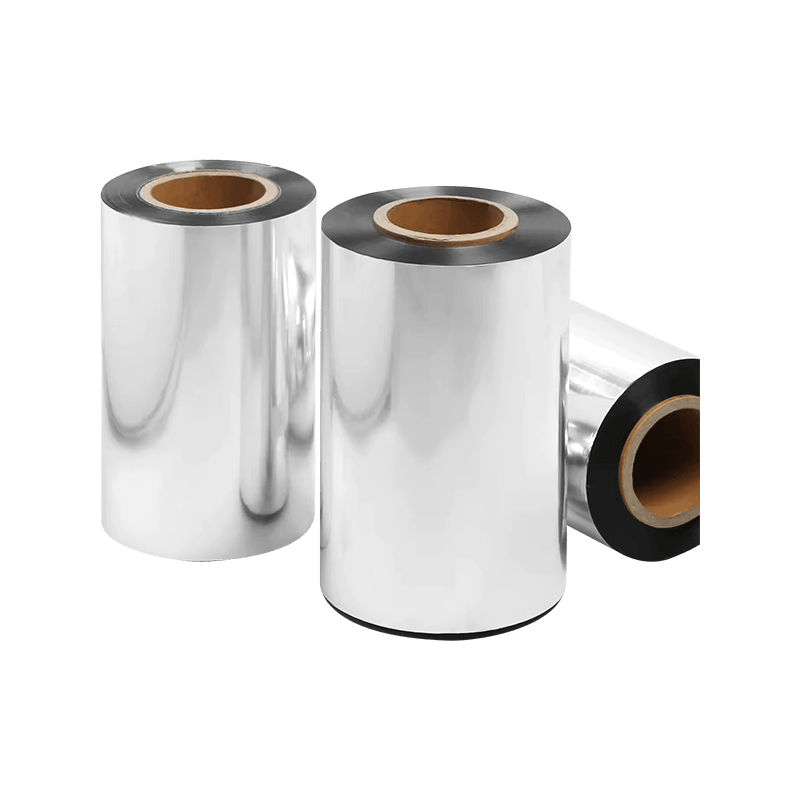
VMPET Film base material is transparent PET, aluminum metalized on corona treated side, another side...
See Details -
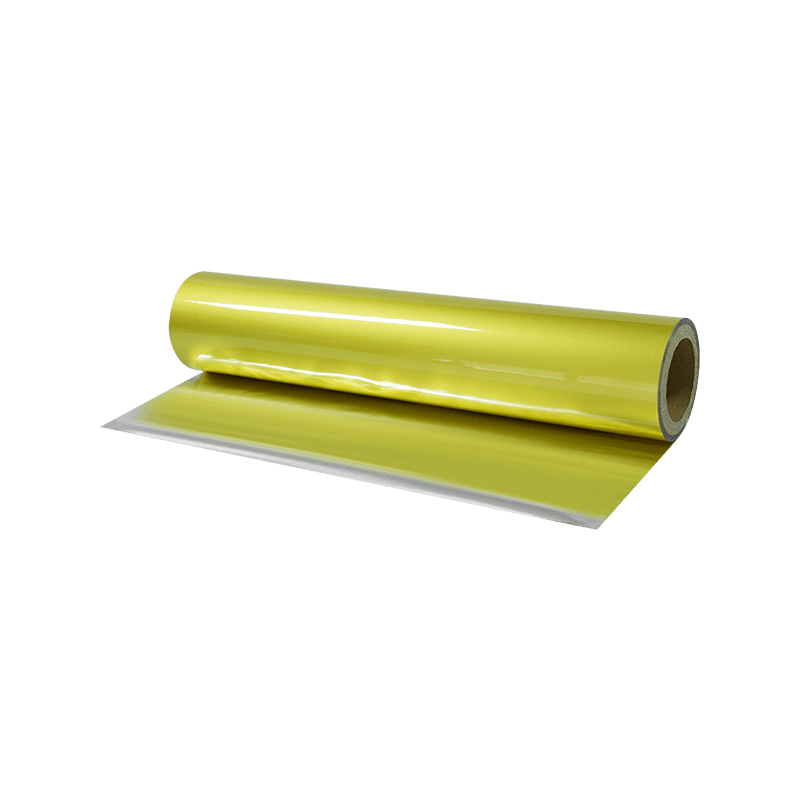
DINGHE AL/PET/VMPET Triplex Film is a high-barrier, multi-functional laminate designed for demanding...
See Details -
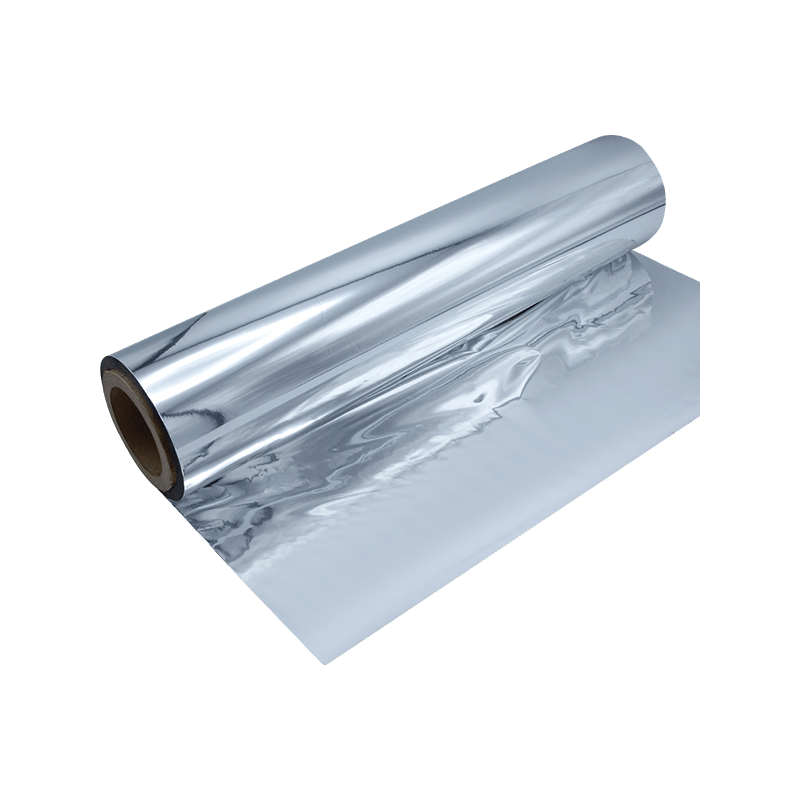
This dual-layer structure significantly improves barrier properties, durability, and cost-effectiven...
See Details -
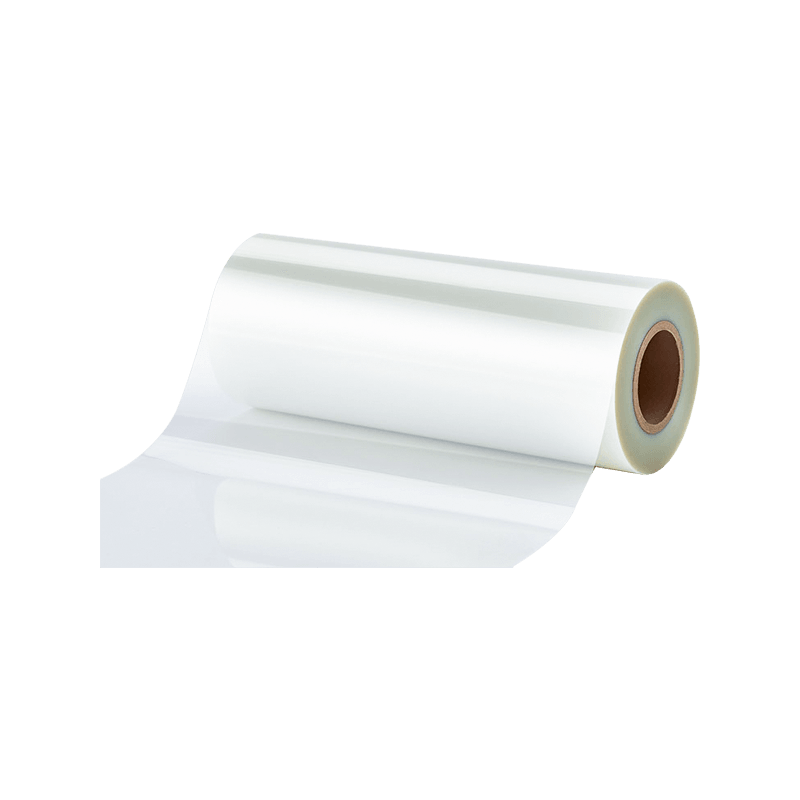
Heat Sealable PET film is different from traditional PET film. While maintaining the excellent perfo...
See Details -
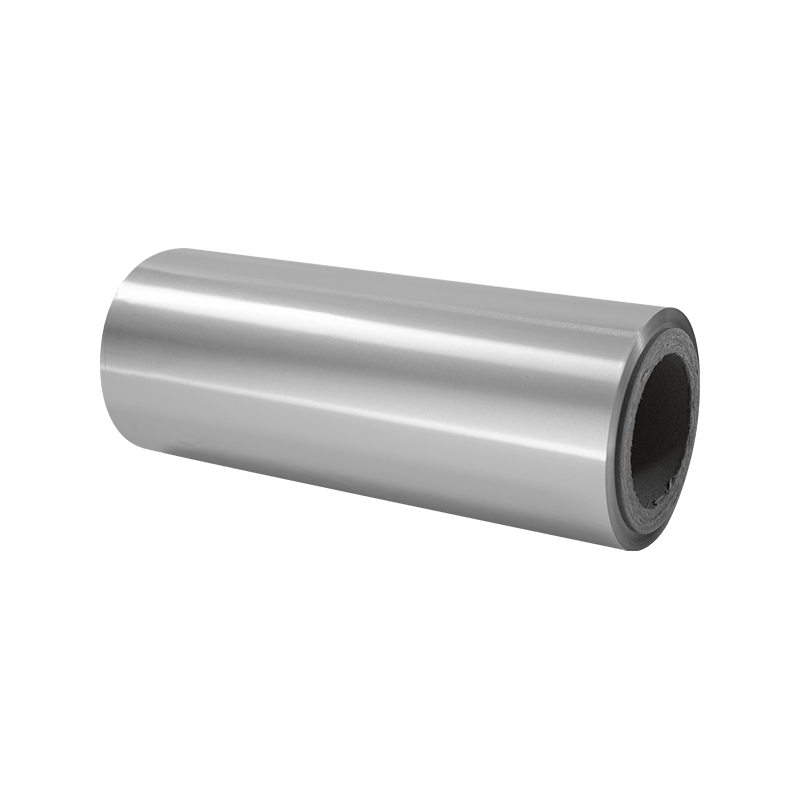
AL/PE Laminate Film combines the barrier properties of aluminum foil with the flexibility and heat-s...
See Details