English
 Español
 Português
AL/PE Woven Fabric is a high-performance composite material made by laminating premium aluminum foil...
See Details
Industry News
Home / News / Industry News / China Aluminum Foil Fiberglass Fabric Manufacturer: 24 Years of Laminate Expertise
China Aluminum Foil Fiberglass Fabric Manufacturer: 24 Years of Laminate Expertise
Date:Oct 09, 2026
Most conversations we have with overseas buyers start with a sample in a plastic bag and one question: why did this one fail? We have been laminating ultra-thin aluminum to films, papers and fabrics in Hangzhou since 2001, and aluminum foil fiberglass fabric, the bright reinforced material used on duct wrap and insulation facing, has been one of our steadiest lines for most of those twenty-four years. What follows is a plain look at what the material is, where it earns its keep, and the few details that decide whether a roll lasts a decade or gives up in a season.
What Aluminum Foil Fiberglass Fabric Actually Is
Strip away the marketing language and you have three things: a thin aluminum foil, a glass fiber reinforcement, and the adhesive that binds them. Sometimes a fourth layer, a protective film on the foil face, is added, but the idea does not change. The foil reflects heat and blocks water vapor. The fiberglass carries the mechanical load, so the foil does not tear when a crew pulls it across a duct or wraps it around a bend.
The glass side comes in two common forms. A scrim is an open, grid-like weave, and it is the friendlier choice when the laminate has to drape over irregular shapes or pipework. A plain weave is denser and smoother, which suits clean-looking surfaces and builds that will be laminated again later. Either way the glass is treated so the adhesive grips it rather than sitting on top of it.
The foil side decides appearance and much of the service life. Smooth foil gives the brightest surface and the best emissivity. Embossed foil hides the handling marks that appear on every job site. Coated foil adds a layer of protection that matters in alkaline surroundings, against fresh concrete for instance.
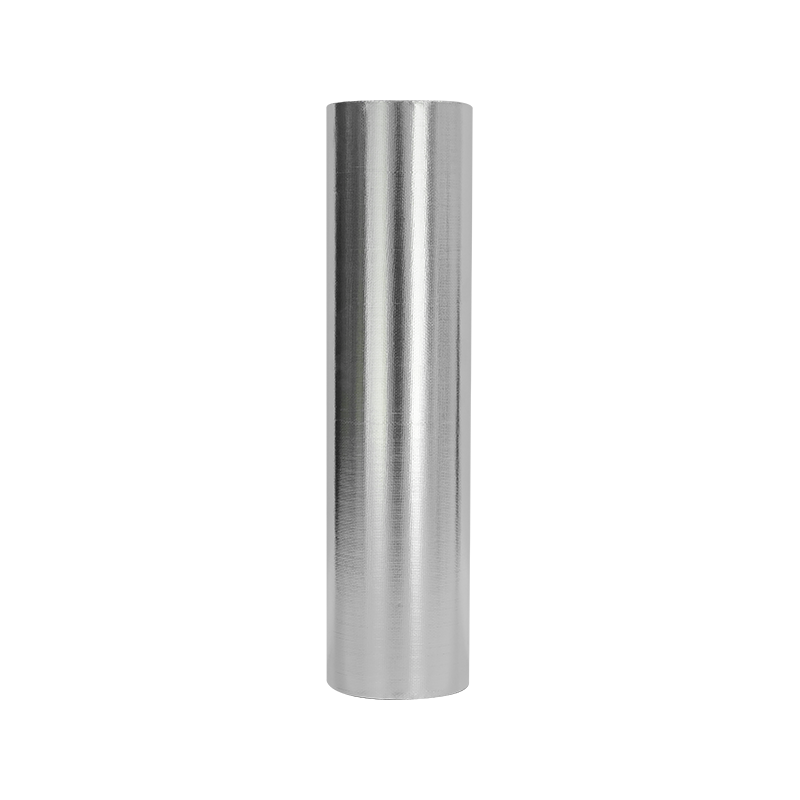 Aluminum Foil Fiberglass Fabric Laminate Film for Fire and Thermal InsulationFire-resistant aluminum foil and fiberglass laminate for flexible pipes, cable insulation, automotive and construction uses; suited to trial builds before container-volume orders.View Product →
Why So Much of This Material Comes From China
Buyers sometimes assume that sourcing from China only pays off at very large volumes. For this product, the opposite is closer to the truth. Foil rolling, glass fiber weaving, adhesive formulation and lamination all sit within a few hours of each other, which shortens the distance a problem has to travel when something needs adjusting, and keeps trial quantities realistic for anyone who wants to test a build before committing to a container.
We run our own coating and lamination lines with an annual capacity of around 10,000 tons, and roughly half of that leaves China for more than twenty countries, mostly to HVAC duct producers, insulation makers and cable shielders who have been buying from us for years.
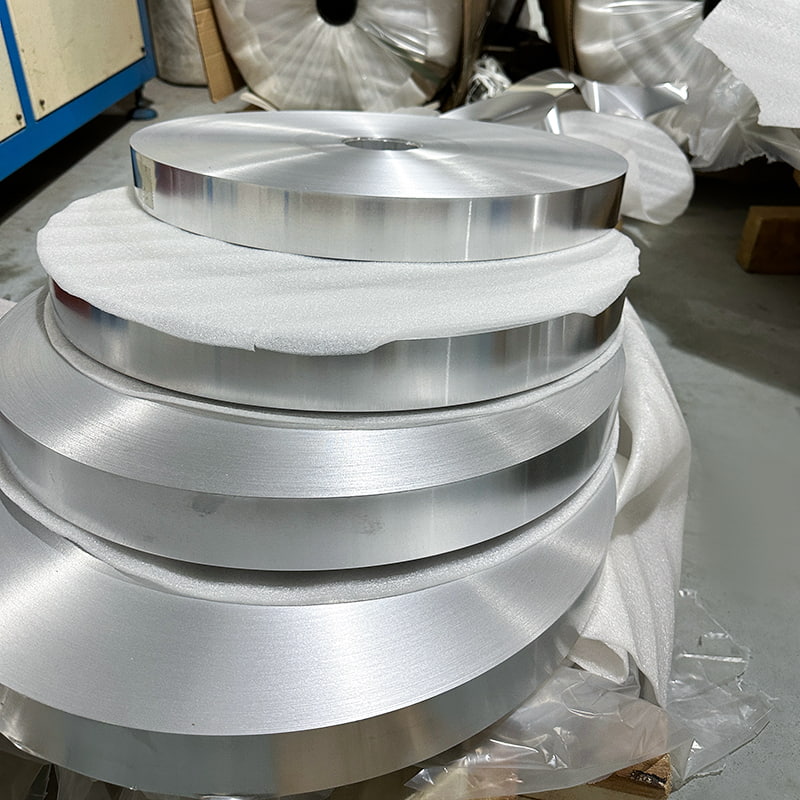 Smooth Aluminum Foil in 8011-O and 1235-O AlloysUltra-thin 8011-O and 1235-O aluminum foil for HVAC ducts, insulation, cable wrapping, packaging, and lamination; available in jumbo roll or slit formats.View Product →
Inside the Lamination Line
People are often surprised by how unglamorous the process is. There is no single dramatic step, just several ordinary ones that have to be done the same way every time.
- Foil is unwound, checked for pinholes and thickness variation, and treated where necessary so the adhesive wets out evenly.
- Adhesive is applied at a controlled weight. Too little and the bond starves; too much and the roll feels stiff and smells of solvent longer than it should.
- Foil and glass fiber are married under heat and pressure, then cured. This is the step that cannot be rushed, and it is where a cheaper supplier usually saves money.
- Finished rolls are slit to your width, inspected, and packed with edge protection so the foil does not crease in transit.
None of that is a secret. What separates one supplier from another is whether those steps are documented, repeatable, and adjusted when your application asks for something different.
Matching the Build to the Job
There is no universal specification, which is why our quotations usually begin with questions about the application rather than the price. These are the builds we laminate most often.
| Build | Foil face | What it does well | Typical use |
|---|---|---|---|
| Foil plus glass scrim | Smooth foil | Reflects heat, drapes over shapes, economical | Duct wrap, pipe insulation |
| Foil, glass scrim, PET | PET over foil | Resists scuffing on exposed surfaces | Visible duct runs, outdoor jacketing |
| Foil, glass scrim, PE | PE over foil | Heat-sealable, extra vapor barrier | Insulation facing, vapor retarders |
| Foil plus nonwoven | Embossed foil | Soft, tear-resistant, quiet to handle | Blanket facing, flexible packaging |
If your application is not on that list, it does not mean we cannot make it. It usually means nobody has asked us yet.
Where the Material Earns Its Place
Four industries account for most of the foil-fiberglass we ship. HVAC ducting is the largest: the laminate wraps ductwork and insulation, reflecting radiant heat and keeping condensation from soaking the insulation beneath it. Thermal insulation and waterproofing follow the same logic on roofs, tanks and building envelopes. Cable shielding takes advantage of the foil's electrical behavior rather than its thermal one, and specialty packaging uses thinner builds where the foil is there for barrier or appearance.
If your work sits in the HVAC world, our ducting solutions page lists the builds and widths that industry asks for. For insulation projects the nonwoven-faced version is often the better fit, because it stays quiet and flexible during installation.
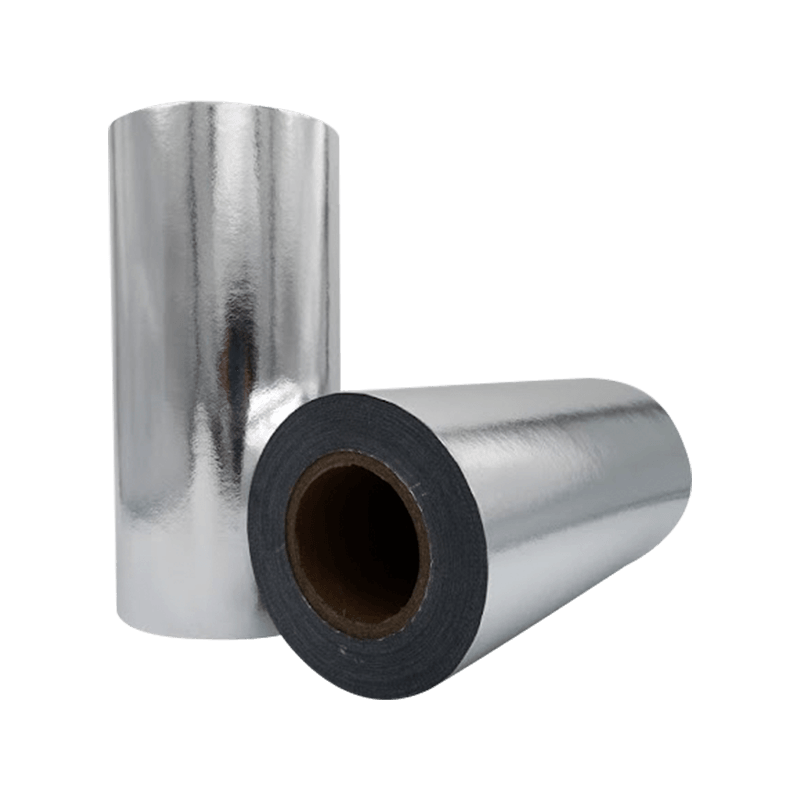 Aluminum Foil Non-Woven Fabric Laminate Film for InsulationBreathable aluminum foil and non-woven laminate for building insulation, HVAC duct wrap, flooring underlayment, automotive, and insulated bags; customizable width and weight.View Product →
What We Ask Before Quoting
A quotation built on guesses tends to produce samples that disappoint. These are the questions that actually change the answer:
- What is the substrate, and what temperature will the facing see in service?
- Will the foil be exposed to sunlight, abrasion or moisture?
- Does the application need flame-retardant behavior, and to which standard will it be tested?
- What roll width and core size does your line run?
- Is the material installed by hand or fed through a machine?
- What annual volume do you expect once the build is approved?
Those answers let us propose a construction, a foil thickness and a fabric weight, then send samples that stand a fair chance of working the first time. We also handle the slitting, packaging and export paperwork that goes with shipping to Europe and the Americas.
Questions We Get Asked Most
Will the foil peel away from the glass fiber?
Delamination is nearly always a bonding or curing problem rather than a materials problem. It shows up when adhesive weight is skimped or a roll ships before the cure has finished. Properly made material should tear through the glass before the bond releases.
Can the foil be printed or coated?
Yes. Coatings can add corrosion resistance, and printing is common when a brand or technical marking has to appear on the finished facing. Tell us what the surface will face and we will suggest something suitable.
How thin should the aluminum be?
Thin foil reflects just as well as thick foil. What it does not do is survive rough handling, so for hand-installed wrap a heavier gauge is often the cheaper choice across the life of a project.
What are your minimum order quantities?
They depend on the build. Trial quantities are possible for new projects and are a good way to confirm a specification before anyone talks about volume pricing.
Samples, Trials and Next Steps
We have been at this since 2001, and the habit we have kept is simple: solve the application first and let the order size take care of itself. Send us a description of the job, the substrate, the temperature, the installation method and the roll size, and we will come back with a build suggestion and a sample you can test under real conditions. If you would like more background on how the material behaves in the field, this article on the main uses and advantages of al-fiberglass is a reasonable place to start. When you are ready to talk specifics, our team is easy to reach by phone at +86-13968033581 or through the contact form on this site.
Content
Recommended Articles
Related products
-
-
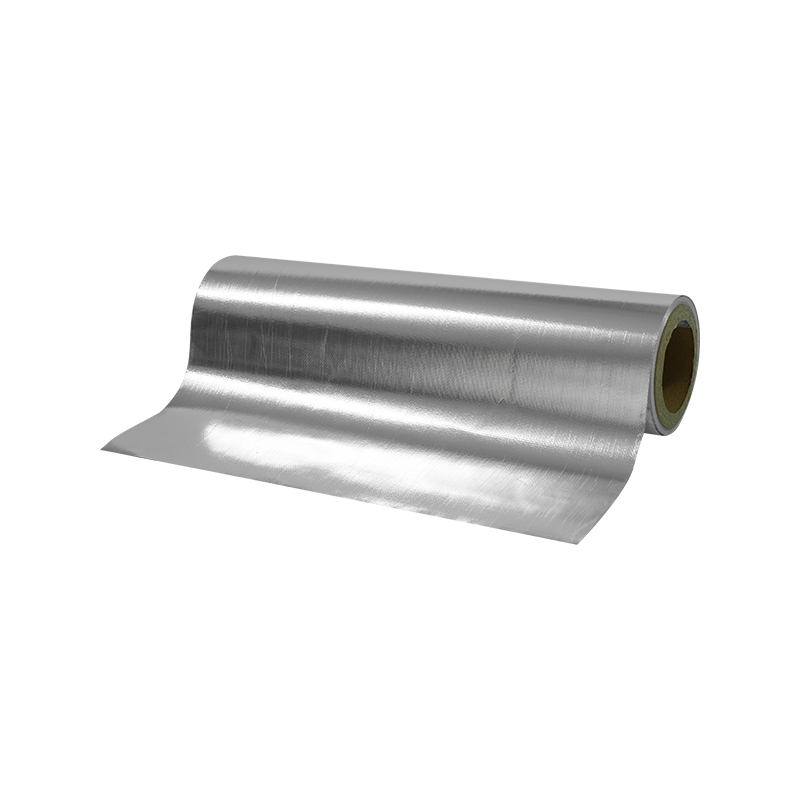
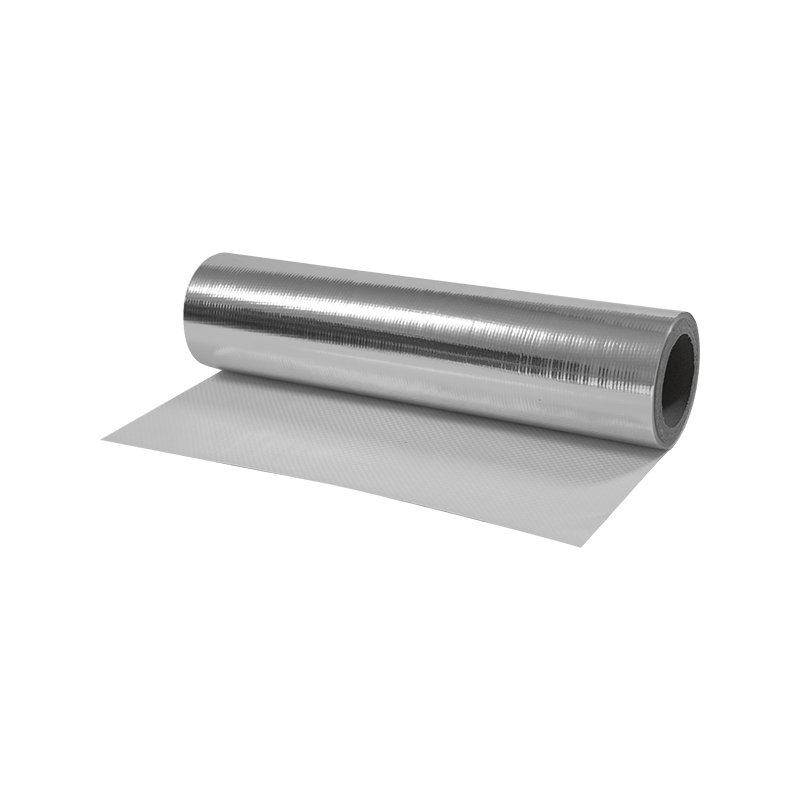
AL/Fiberglass Fabric laminate Film is a film with very high cost performance, especially its excelle...
See Details -
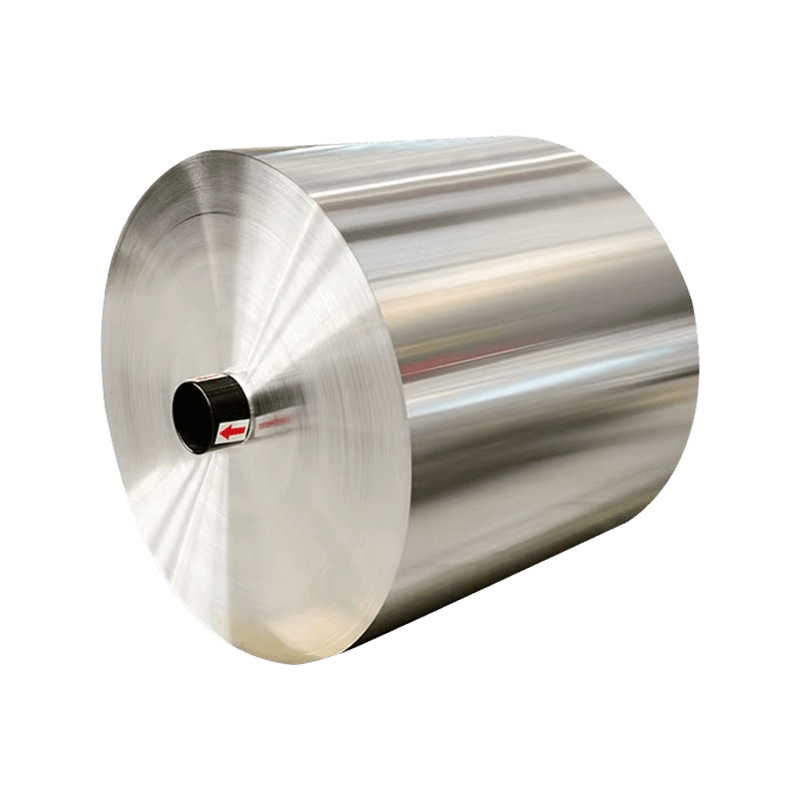
The 8011-O Ultra-Thin Aluminum Foil, Al-Fe-Si alloy contains a small amount of iron and silicon elem...
See Details -
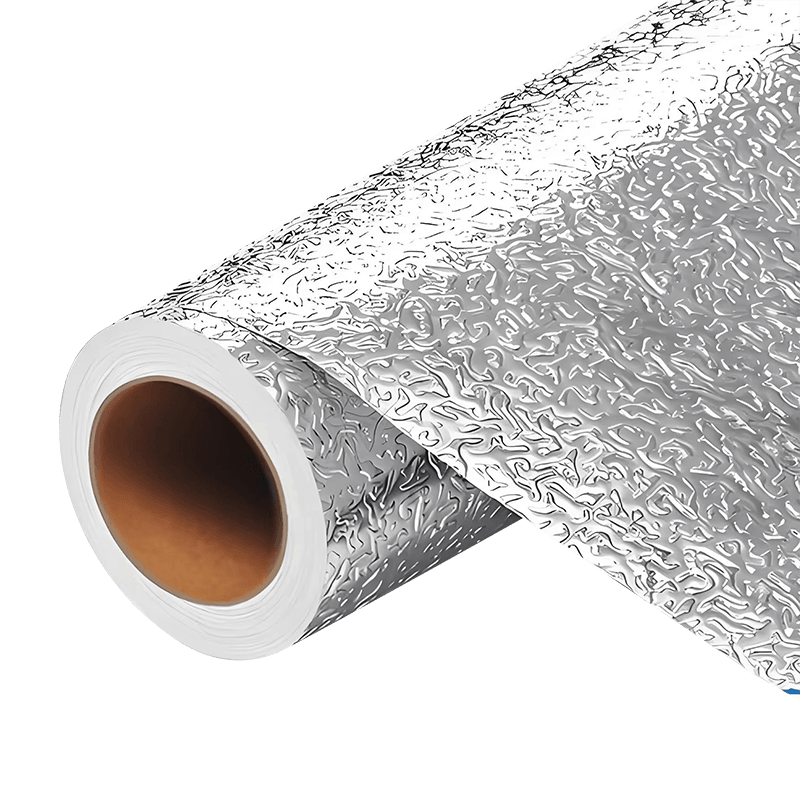
It is widely used in scenarios such as air filters, corrugated aluminum foil, phenolic board veneers...
See Details -
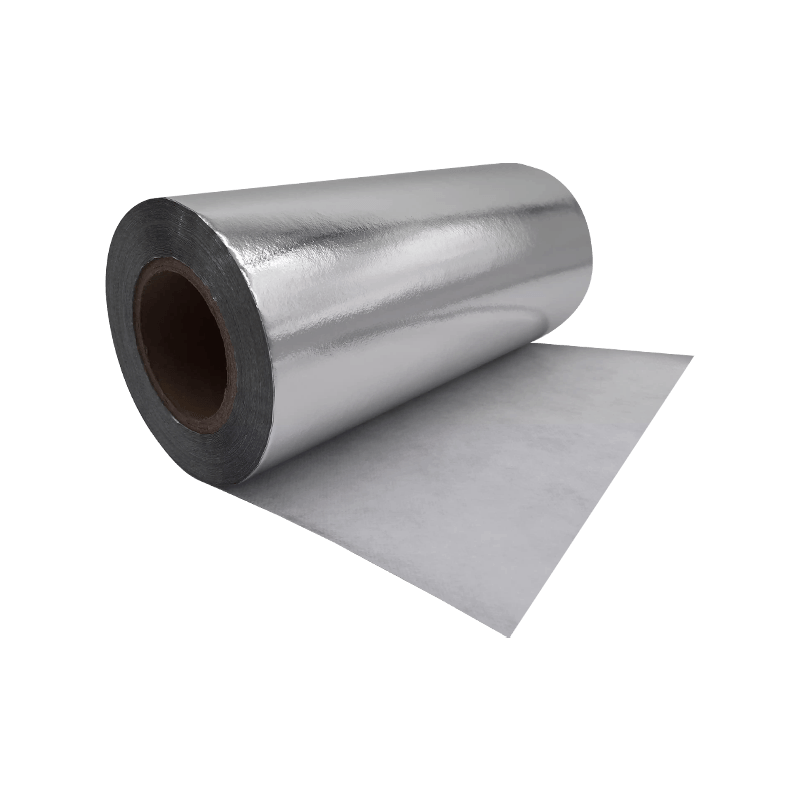
AL/Non-Woven Fabric Laminate Film is a cost-effective composite material that integrates the barrier...
See Details -
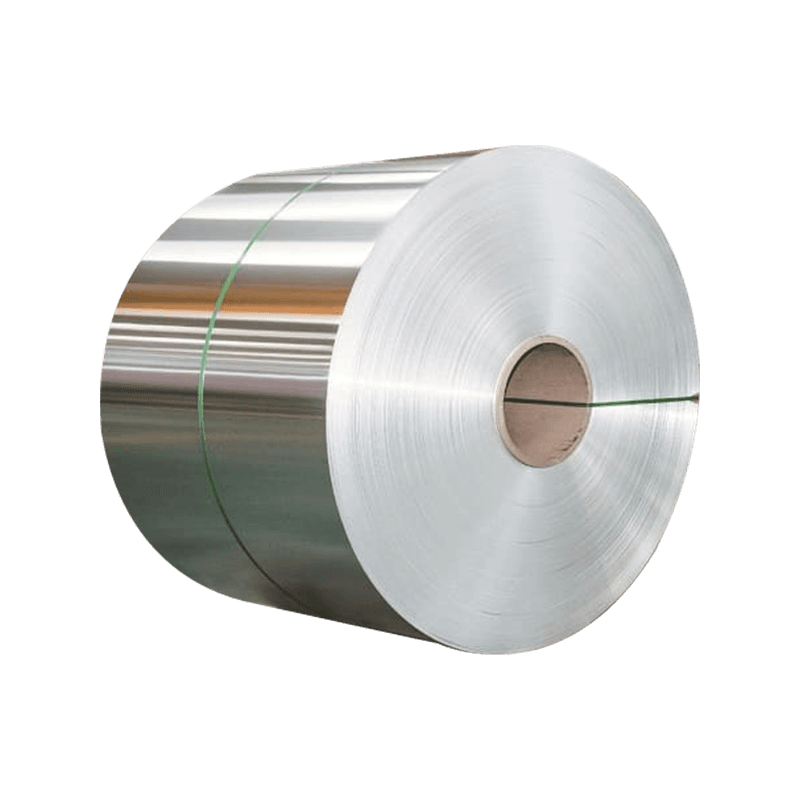
Aluminum strips are usually around 0.09-0.2mm in thickness, featuring better plasticity and electric...
See Details