English
 Español
 Português

Reinforced PVC Mesh Fabric Film is a composite material made by laminating PVC film with a high-stre...
See Details
Industry News
Home / News / Industry News / Solving the "Aluminum Cracking" Dilemma: High-Elongation & Grid-Reinforced Foil Facings for Flexible Bituminous Membranes
Solving the "Aluminum Cracking" Dilemma: High-Elongation & Grid-Reinforced Foil Facings for Flexible Bituminous Membranes
Date:Nov 23, 2026
Why Aluminum-Faced Membranes Crack on the Roof
A bituminous membrane with an aluminum face looks robust when it leaves the factory. The metal gives it a bright, reflective surface that resists sunlight and keeps the roof cooler. Yet roofers and distributors in many markets know the other side of the story: the aluminum layer can crack, and a cracked facing is often the first step towards a leak.
Two situations cause most of the trouble. The first is the weather itself. In regions with strong day and night swings, such as parts of Latin America and Europe, a roof expands in the afternoon heat and contracts after dark. Over months and years, that movement is repeated thousands of times, and any rigid layer on the surface is asked to follow it.
The second is the installation. Membranes are folded at gutters, turned up at parapets and pressed into internal and external corners. At those points the facing is bent sharply, sometimes in cold weather and sometimes in strong heat. A facing that cannot stretch will crack at the fold, split along the line of the bend or tear when the installer pulls it into place.
Markets that sell premium waterproofing have responded with no-crack grades of membrane, and buyers now ask for them by name. Meeting that expectation takes a facing designed for movement from the start, not an ordinary aluminum film with a better description. A genuine no-crack aluminum facing has to survive both the thermal cycles on the roof and the sharp bends during installation.
The Elongation Mismatch Between Aluminum and Modified Bitumen
The root cause is a mismatch between two materials that are bonded together but behave very differently under stress. Modified bitumen, especially an elastomeric SBS compound, is built to stretch. It can extend considerably and return, which is why it is used on roofs that move. Plain hard-temper aluminum foil behaves in the opposite way. Its elongation is only around 3% to 5%, so it reaches its limit long before the bitumen beneath it does.
When the membrane is bent or stretched, the bitumen follows and the aluminum does not. The metal reaches its breaking point first and fractures into fine cracks. Those cracks may be hard to see at first, but they let water, light and heat reach the bitumen, and over the seasons the damage spreads.
The answer is not to remove the aluminum, whose reflectivity and barrier properties are the reason for using it. The answer is to make the whole facing match the stretching behaviour of the membrane. That means softening the metal, giving it a carrier that can stretch with it, and adding a reinforcement that stops small damage from becoming long tears.
Three design choices make that possible, and each one tackles a different part of the problem.
- The metal. A soft, annealed high-purity aluminum foil stretches far more than hard-temper foil before it breaks.
- The carrier film. A high-elongation PET layer moves with the foil instead of restraining it.
- The reinforcement. A grid of polyester or fiberglass yarn spreads stress across the surface and keeps a local nick from running.
The Multi-Layer Structure Built by Ding He
Hangzhou Ding He builds its flexible facing from exactly those three elements. The structure combines annealed soft high-purity aluminum foil, a high-elongation modified PET film and a polyester or fiberglass reinforcing grid, bonded together with a flexible adhesive that does not lock the layers against each other. Together they raise the breaking elongation of the whole composite to 25% to 30% or more, compared with a few percent for plain hard foil.
That figure is the heart of the design. With an elongation in that range, the facing can follow the movement of the membrane through a normal roof cycle and through a tight bend at a gutter, without reaching the point where the metal gives way. In practical terms, the cracking that appears during installation is designed out instead of being managed by the installer.
A high elongation aluminum PET film has a second advantage that is easy to overlook. Because it stretches before it breaks, it tolerates the small mishandling that always happens on a building site, such as being walked over, dragged across a rough surface or folded back to check an overlap.
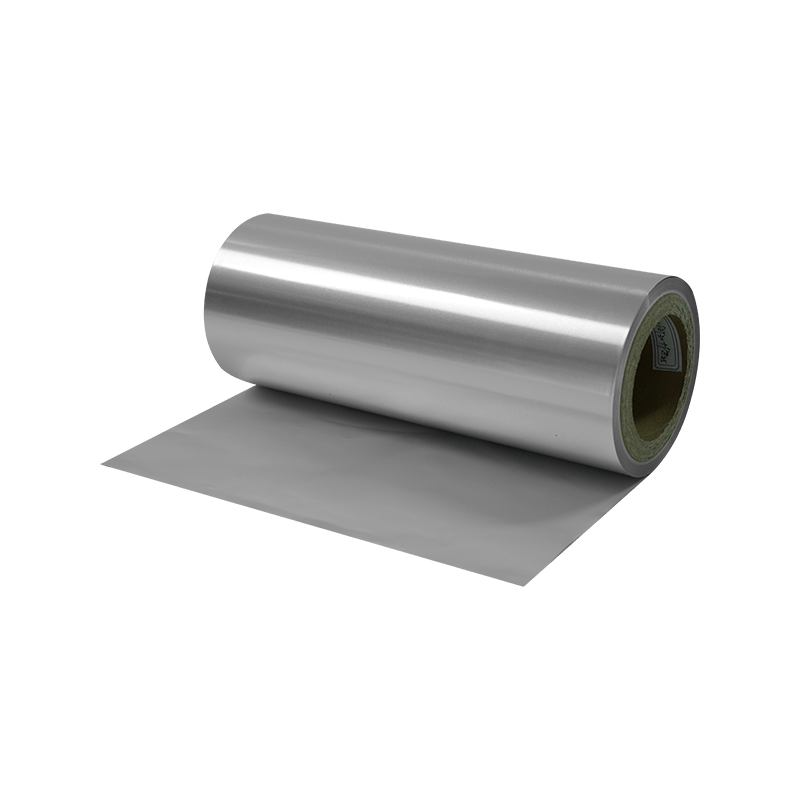 AL/PET Laminate Film for Flexible FacingAluminum foil bonded to PET for moisture, oxygen and light barrier, with strong mechanical strength and dimensional stability.View Product →
The reinforcement layer deserves its own mention. A grid of yarn laid inside the laminate acts like the rebar in concrete, carrying load across the film so the foil is not asked to do it alone. This is what makes an anti-tear aluminum composite facing different from a simple laminate. A nick that would run across an unreinforced film stops at the next yarn.
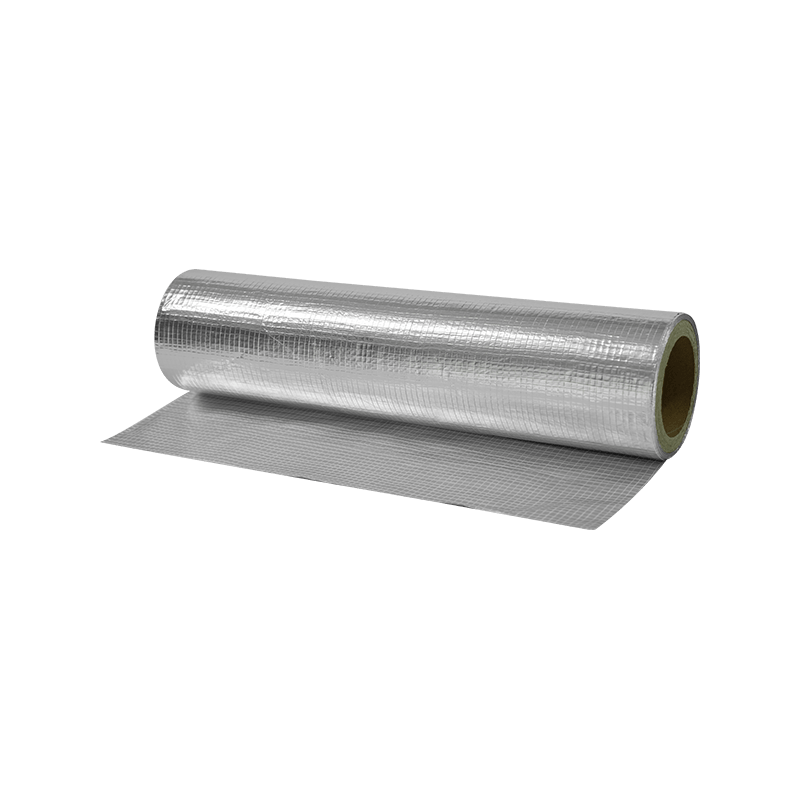 AL/Scrim/PET Triplex Film for Anti-Tear FacingAluminum foil, fiberglass scrim and PET combined for reflectivity, tensile strength and tear resistance in insulation and hose jackets.View Product →
Choosing a Reinforced Foil for the Job
Not every membrane needs the same reinforcement. The right choice depends on how the roll will be used, and a short comparison helps when specifying a reinforced foil for waterproofing membrane production.
| Application | Main risk | Suggested construction |
| Field of the roof | Thermal movement over many cycles | Soft aluminum with high-elongation PET |
| Gutters, parapets and corners | Sharp bending and tearing during installation | Grid-reinforced structure with polyester or fiberglass yarn |
| Flashing details | Repeated folding and hand forming | Flexible bitumen flashing foil with high elongation and reinforcement |
Polyester yarn offers more give and suits details that are formed by hand, while fiberglass yarn gives greater dimensional stability on large, flat areas that see strong heat. Because we laminate in-house, the grid, the film thickness and the adhesive can be adjusted to the membrane the customer is making.
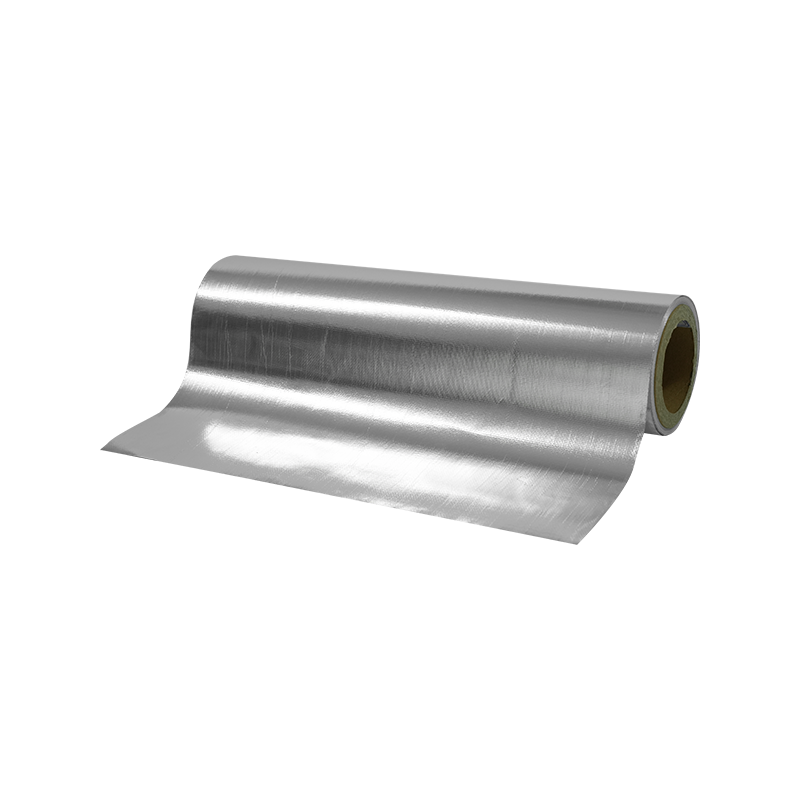 AL/Fiberglass Fabric Laminate Film for RoofingAluminum foil laminated to fiberglass fabric for heat reflection, moisture barrier and tear resistance in roofing and insulation systems.View Product →
Bend-Fatigue Testing in Cold and Heat
Claims about flexibility need evidence from the conditions that cause failure. Cracks rarely appear in a gentle laboratory bend at room temperature. They appear when the facing is cold and stiff, or when it is hot and softened, and when the same bend is repeated again and again. Our testing is built around those extremes.
Samples are bent repeatedly over a defined radius at a low temperature of -15°C, then cycled again at 80°C, and examined after each stage for cracks, splits and loss of adhesion between the layers. The low temperature mimics a winter installation or a cold morning on a roof, while the high temperature mimics a surface in direct summer sun. A facing that passes only one of the two would still fail in the field.
| Test condition | What it simulates | What we check |
| Repeated bending at -15°C | Cold-weather installation and winter movement | Cracks or splits in the aluminum layer |
| Repeated bending at 80°C | Hot roof surface in direct sun | Cracks, wrinkling and layer separation |
| Comparison against standard hard foil | Conventional facing used as a baseline | Difference in crack onset between the two |
Our structure is designed to stay free of cracks through both stages, which is the performance that premium no-crack membranes are expected to deliver in Latin American and European markets. We run the same comparison alongside a conventional hard-temper facing, so the difference is visible on the same bench rather than described in the abstract.
If you are developing a flexible membrane and want to see the comparison on your own material, send us your membrane type, the climate you sell into and the bend details your installers face. We can prepare sample rolls of a high-elongation structure for you to coat and test, and we will tell you plainly if a different reinforcement would work better for your product.
Content
Recommended Articles
Related products
-
-
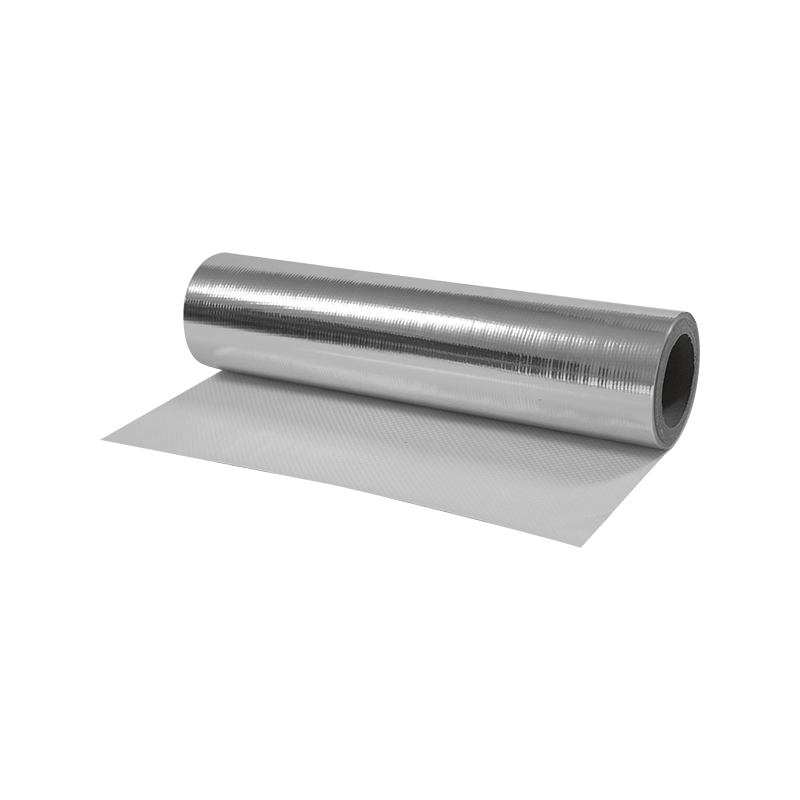
AL/PE Woven Fabric is a high-performance composite material made by laminating premium aluminum foil...
See Details -
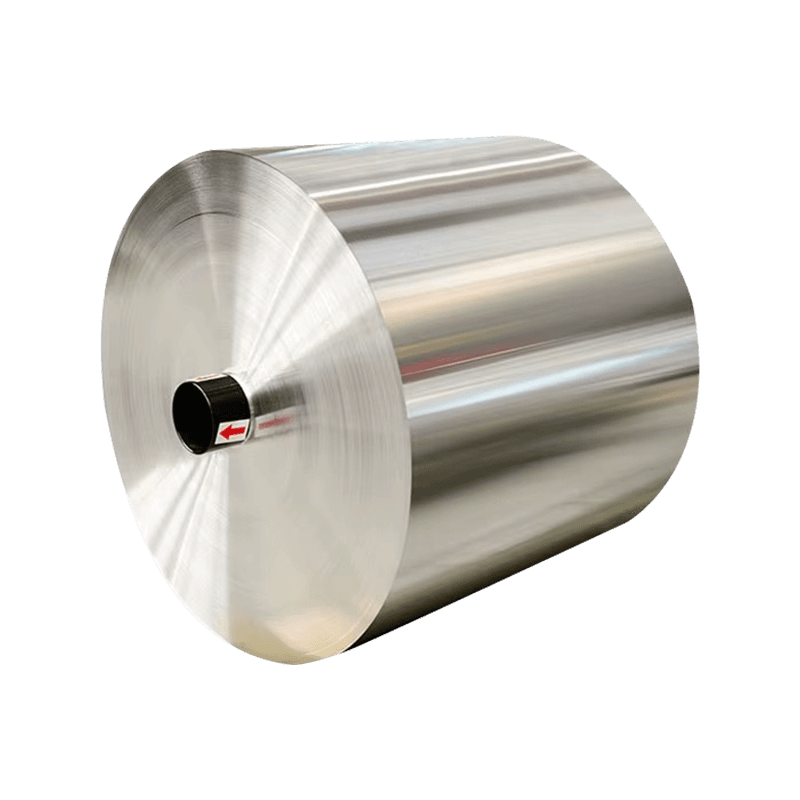
The 8011-O Ultra-Thin Aluminum Foil, Al-Fe-Si alloy contains a small amount of iron and silicon elem...
See Details -
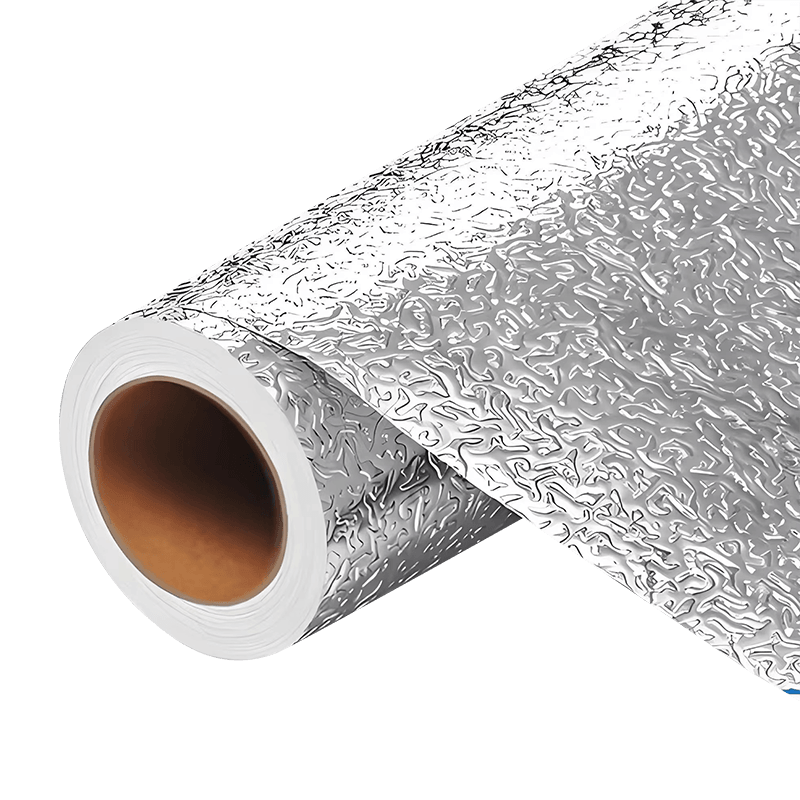
It is widely used in scenarios such as air filters, corrugated aluminum foil, phenolic board veneers...
See Details -
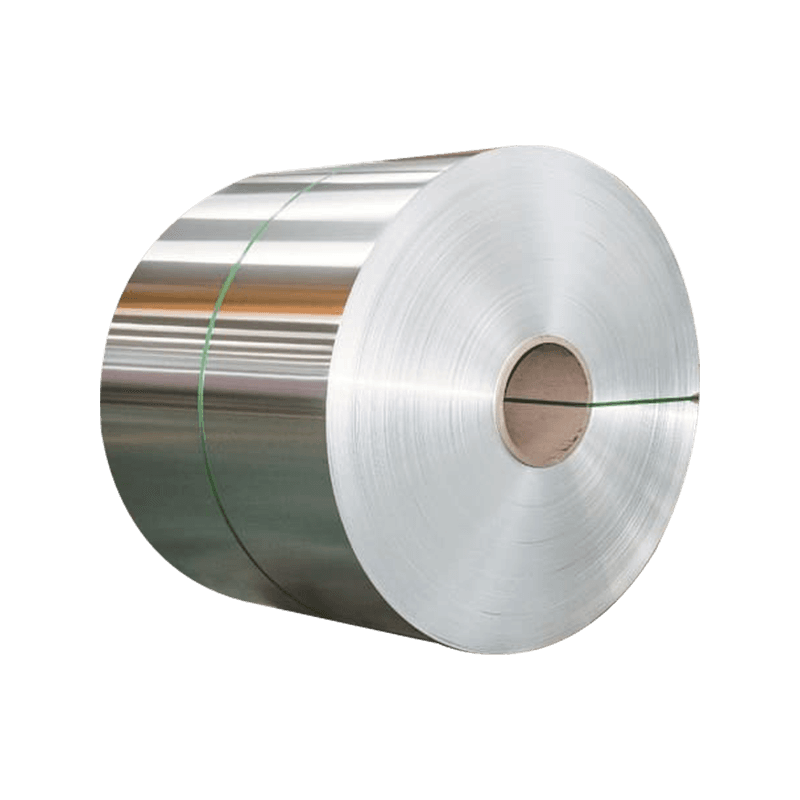
Aluminum strips are usually around 0.09-0.2mm in thickness, featuring better plasticity and electric...
See Details