English
 Español
 Português
AL/PE Woven Fabric is a high-performance composite material made by laminating premium aluminum foil...
See Details
Industry News
Home / News / Industry News / Aluminum Foil Fiberglass Fabric Manufacturer | Trusted Supplier Since 2001
Aluminum Foil Fiberglass Fabric Manufacturer | Trusted Supplier Since 2001
Date:Aug 18, 2026
A purchasing manager we work with in the HVAC sector pulled a fresh roll of aluminum foil fiberglass fabric off the shelf a few months back and ran a quick peel test before it went anywhere near the line. The foil came away from the glass cloth almost immediately — barely any resistance at all — and nothing about the outer surface had hinted at a problem. Five pallets had already been ordered on the strength of a data sheet that looked fine on paper. This happens more often than buyers realize, and it points to something easy to overlook: with aluminum foil fiberglass fabric for HVAC, thermal insulation, or protective applications, who makes the material matters just as much as what the spec sheet says.
What Is Aluminum Foil Fiberglass Fabric Laminate?
Aluminum foil fiberglass fabric is a composite sheet built by bonding a thin aluminum foil to a woven fiberglass fabric, usually with a formulated adhesive between the two. Some constructions add a PET film over the foil to improve abrasion resistance, and some place foil on both sides of the fabric when maximum barrier performance is the priority. What you end up with is a laminate that does three jobs at once, which is hard to pull off with a single-layer material:
- It reflects radiant heat. A clean, bright aluminum surface has very low thermal emissivity, so a lot of radiant heat bounces back toward its source instead of passing through.
- It stops moisture vapor. The continuous foil layer blocks water vapor and most gases, keeping insulation dry and protecting the metal underneath from condensation and corrosion.
- It holds up mechanically. The woven glass fabric does the heavy lifting here — it resists tearing, puncturing, and stretching, so the facing survives folding, stapling, and die-cutting without falling apart.
Foil thickness in these laminates usually runs 7 to 30 microns, and the fiberglass fabric typically falls somewhere between 50 and 150 grams per square meter. Buyers who'd rather not run their own development trials can go with Ding He's aluminum foil fiberglass fabric laminate film, built with controlled coating and lamination parameters and available in custom widths and roll lengths.
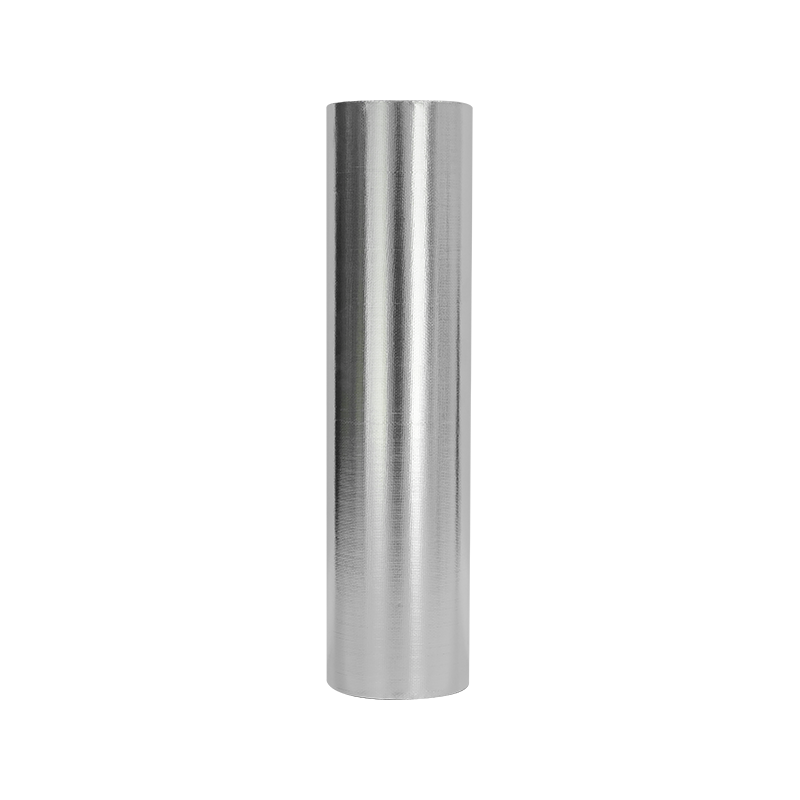 AL/Fiberglass Fabric Laminate Film Manufacturers, Suppliers, Custom Factory - HAAs China AL/Fiberglass Fabric Laminate Film Manufacturers, AL/Fiberglass Fabric Laminate Film Suppliers and AL/Fiberglass Fabric Laminate...View Product →
Why the Choice of Manufacturer Determines Laminate Quality
On paper, lamination sounds straightforward: bond foil to fabric, cure the adhesive, wind it onto a roll. What actually separates a laminate that holds up from one that fails in the field never shows up on a quotation.
Raw material consistency
The alloy and temper of the foil, the weave and weight of the glass fabric, and the adhesive chemistry all shape how the finished product performs. A manufacturer that sources whichever foil or fabric is cheapest that week is going to have trouble keeping batches consistent. Ask for the foil thickness tolerance and the glass fabric spec on the technical data sheet — then check whether those numbers actually hold from one delivery to the next.
Lamination process control
Adhesive coating weight has to stay uniform across the full web width. Too light and the bond is weak; too heavy and adhesive can bleed through and contaminate the surface. Drying and curing matter just as much — leftover solvent degrades the bond over time, which is more or less the failure mode described at the start of this article. Then there's tension control: run the foil and fabric at even slightly different tensions and you get wrinkles, and wrinkles become vapor leak paths and places where tears start.
Customization and tolerances
Most fabricators aren't working off a stock roll straight from a catalog. They need a specific width to match their slitting line, a heavier foil for a tougher barrier requirement, a flame-retardant grade, or a fiberglass-PET combination. A manufacturer with real process flexibility can adjust the construction without sacrificing quality. If a supplier tries to steer you toward a standard product without asking what you're actually building, that's worth paying attention to.
Applications That Rely on Fiberglass-Reinforced Aluminum Foil
Fiberglass-reinforced aluminum foil earns its place wherever a plain metal film would tear and a plain fabric wouldn't hold a vapor barrier.
HVAC duct insulation facing
In duct systems, the laminate faces insulation board or blanket, reflecting radiant heat, preventing condensation, and containing loose fibers. Fabrication means cutting, folding, and fastening, so the bond needs to hold at every edge and corner — this is where inconsistent lamination strength shows up fastest, since the facing separates right at the fold lines. Ding He supports fabricators through its HVAC ducting solutions, and for projects that need reinforcement plus a protective PET surface, the aluminum foil scrim PET triplex laminate works as a direct alternative to exposed fiberglass fabric.
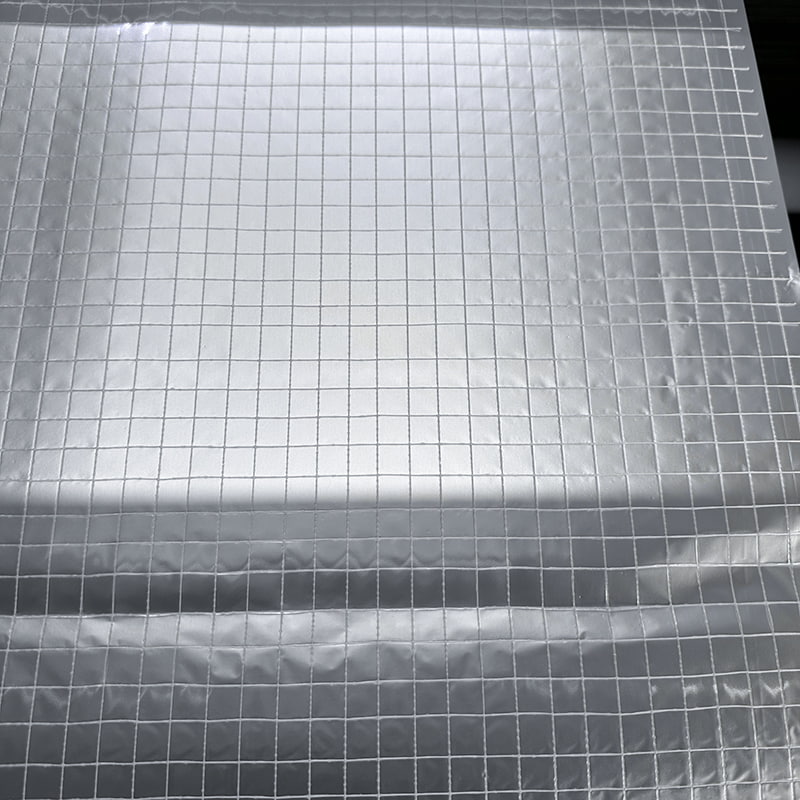 AL/Scrim/PET Triplex Film Manufacturers, Suppliers, Custom Factory - HANGZHOU DIAs China AL/Scrim/PET Triplex Film Manufacturers, AL/Scrim/PET Triplex Film Suppliers and AL/Scrim/PET Triplex Film Factory, DING HE offe...View Product →
Thermal insulation and waterproofing
Pipe and building insulation face a similar set of demands, but on site conditions get rougher. The foil facing has to survive handling, abrasion, and weather before the insulation system even gets closed up. Some buyers specify an embossed reflective surface here to cut down on heat transfer across air gaps, which is exactly what Ding He's embossed aluminum foil PET laminate delivers, without giving up the barrier and mechanical properties of a standard foil composite. The same construction handles waterproofing and vapor-retarding duties in building envelopes.
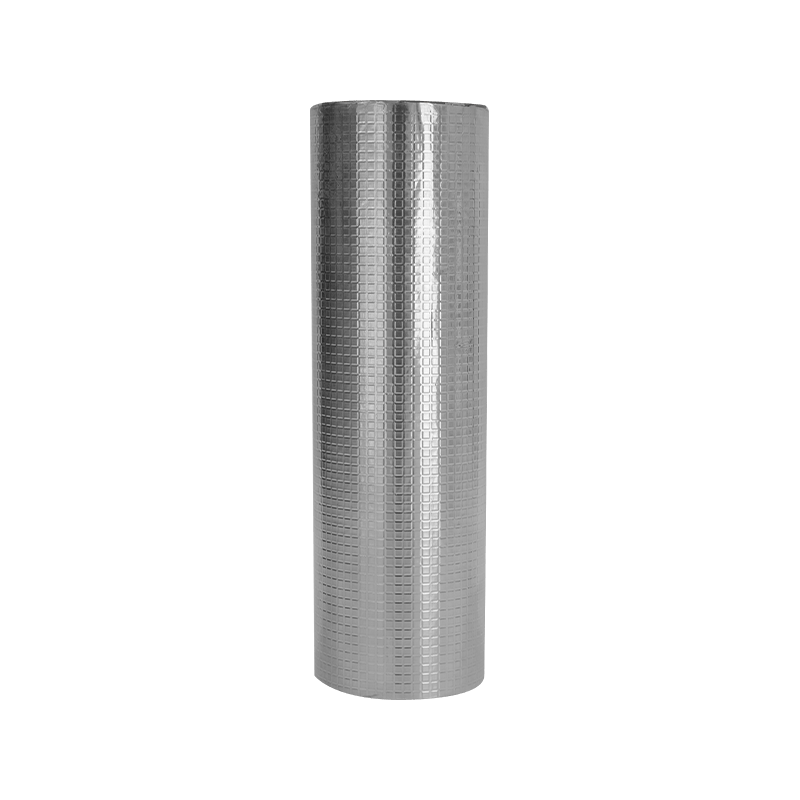 Embossed AL/PET Laminate Film Manufacturers, Suppliers, Custom Factory - HANGZHOAs China Embossed AL/PET Laminate Film Manufacturers, Embossed AL/PET Laminate Film Suppliers and Embossed AL/PET Laminate Film Factory, ...View Product →
Cable shielding and specialty packaging
Outside of thermal insulation, a tear-resistant foil layer also shows up in cable shielding and specialty packaging, where the requirements look pretty similar: consistent thickness, tight width tolerance, clean edges. That overlap is why the same production line serving the HVAC market can support these industries without any change to the quality system.
How to Evaluate a Manufacturer Before You Place an Order
Run through these checkpoints before the purchase order goes out. The specific numbers matter less than whether the supplier can answer directly and back it up with test data.
| Checkpoint | What to verify | Why it matters |
|---|---|---|
| Lamination strength | Peel or bond strength data and the test method | Weak adhesion causes delamination at folds, die-cut edges, and fasteners |
| Foil quality | Alloy, temper, thickness tolerance, and pinhole rate | Pinholes or uneven gauge will destroy the vapor barrier function |
| Glass fabric specification | Weight in grams per square meter, weave type, and finish | Defines tear resistance and how well the adhesive wets out |
| Flame retardance | Fire test standard for your market, for example UL 723 or EN 13501 | Required for duct and building insulation approvals |
| Dimensional tolerance | Width tolerance and roll length consistency | Prevents scrap in automated cutting and slitting lines |
| Batch traceability | Certificate of analysis and retained samples per batch | Lets you investigate quality issues quickly on site |
For a look at how these checkpoints play out in a real order, this case study of a Turkish HVAC manufacturer covers how Ding He helped a customer pass a strict performance test by adjusting the laminate construction and holding batch consistency through the whole production run.
Why Hangzhou Ding He Is Worth Putting on Your Shortlist
Hangzhou Ding He has been making ultra-thin aluminum laminate materials since 2001, with annual capacity around 10,000 tons and exports to more than 20 countries. For buyers, that scale translates into steadier raw material purchasing, more consistent output, and shorter lead times on repeat orders.
The product range matters too. Ding He makes smooth, coated, and embossed aluminum foil; single films including PET, PE, PVC, CPP, and BOPP; and multi-layer laminates such as AL/PE, PET/AL/PE, PET/AL/PET, and scrim-reinforced structures. When one supplier can qualify the fiberglass laminate, the aluminum plastic laminate for a different product line, and a triplex film for a second application, your audit workload and logistics headaches drop accordingly.
The technical team includes people with more than a decade of lamination experience, organized around HVAC ducting, waterproofing and thermal insulation, specialty packaging, and cable shielding. They know how the laminate gets cut, folded, fastened, and installed in the finished application — not just how it winds onto a roll.
Sourcing aluminum foil fiberglass fabric isn't purely a commercial decision. A low price per square meter stops looking like a bargain fast once the reject rate starts climbing on the production floor. The qualification sequence, boiled down, is short:
- Send the manufacturer a detailed specification: application, facing structure, required width, and acceptance criteria.
- Request samples of the proposed construction together with the test data behind it.
- Run the same fabrication test in your own plant that you'd run on a production batch.
- Qualify the supplier on a trial order before releasing volume quantities.
Stick to that sequence and you'll sidestep most of the common causes of laminate failure. If you'd rather skip ahead, send your specification to Ding He, request samples, and let the technical team suggest a construction that fits your application.
Content
Recommended Articles
Related products
-
-
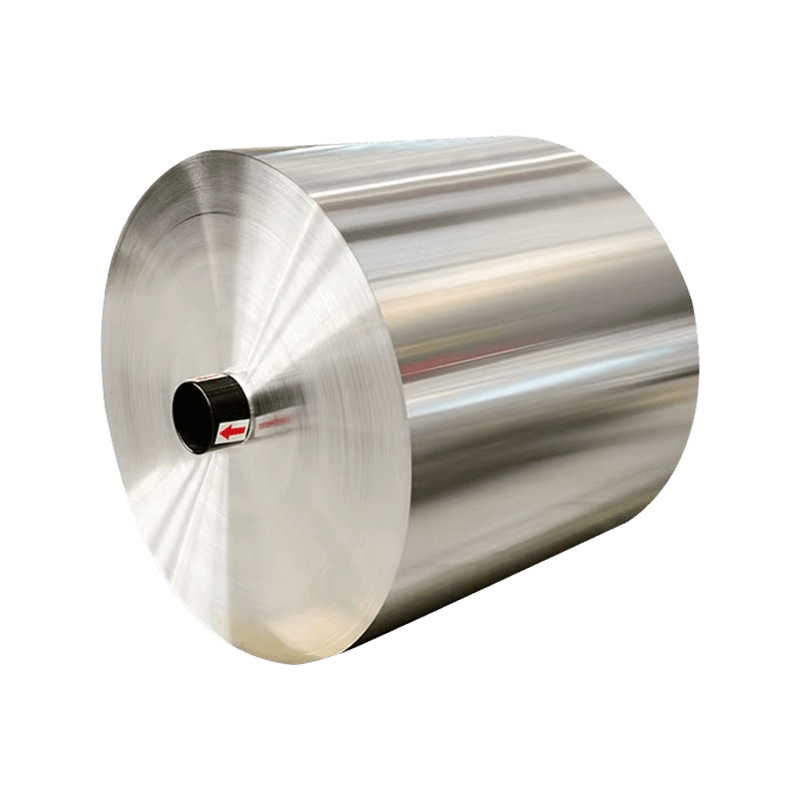
The 8011-O Ultra-Thin Aluminum Foil, Al-Fe-Si alloy contains a small amount of iron and silicon elem...
See Details -
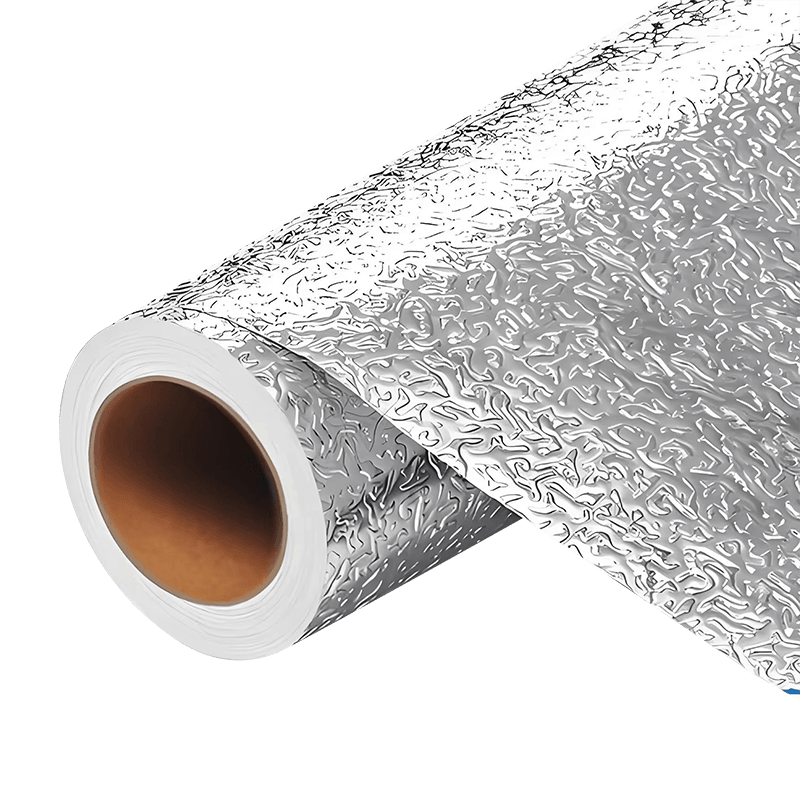
It is widely used in scenarios such as air filters, corrugated aluminum foil, phenolic board veneers...
See Details -
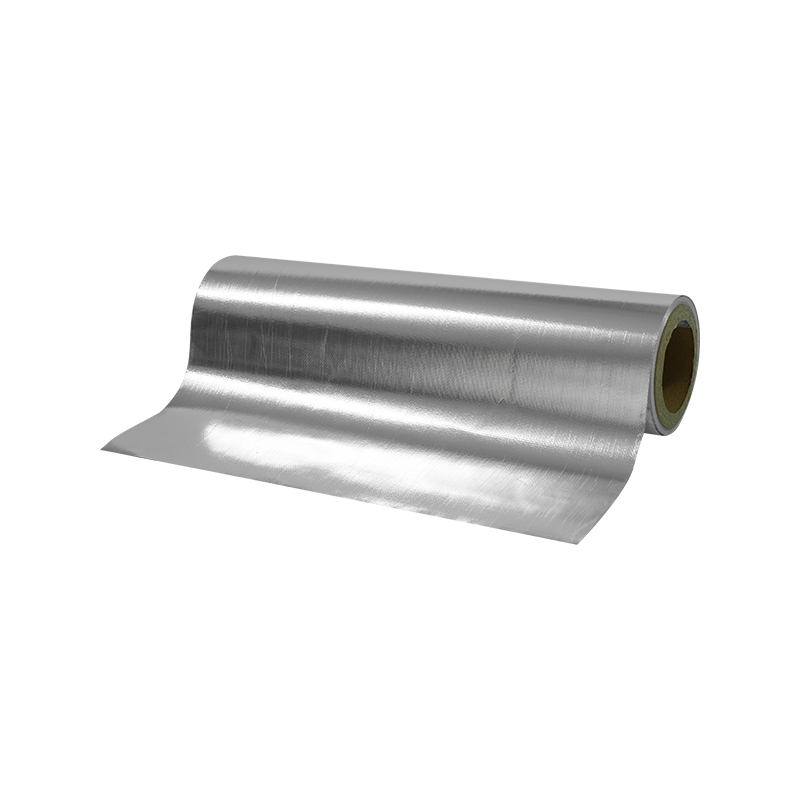
AL/Fiberglass Fabric laminate Film is a film with very high cost performance, especially its excelle...
See Details -
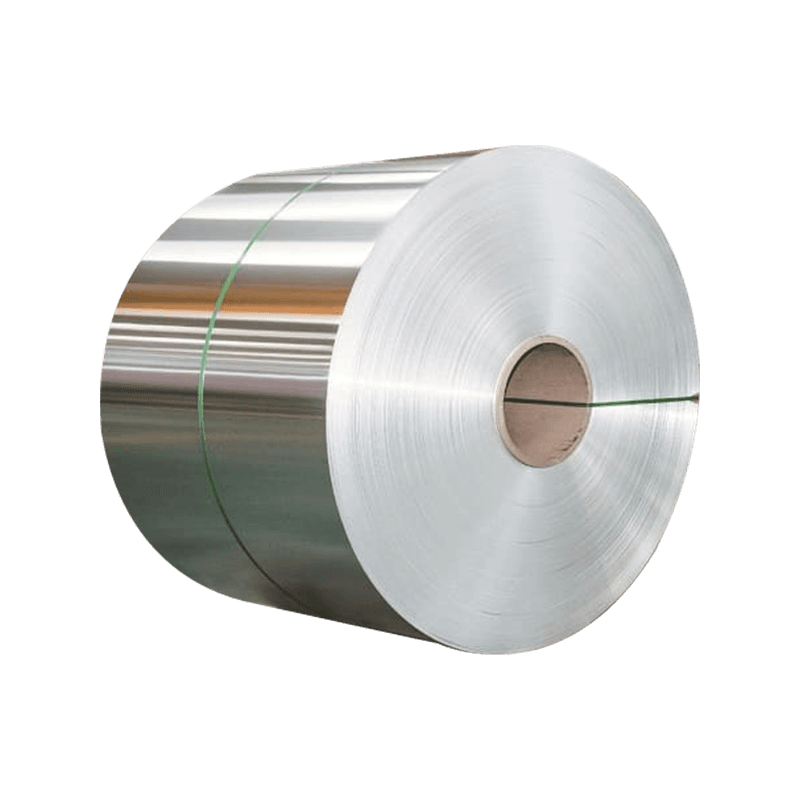
Aluminum strips are usually around 0.09-0.2mm in thickness, featuring better plasticity and electric...
See Details -
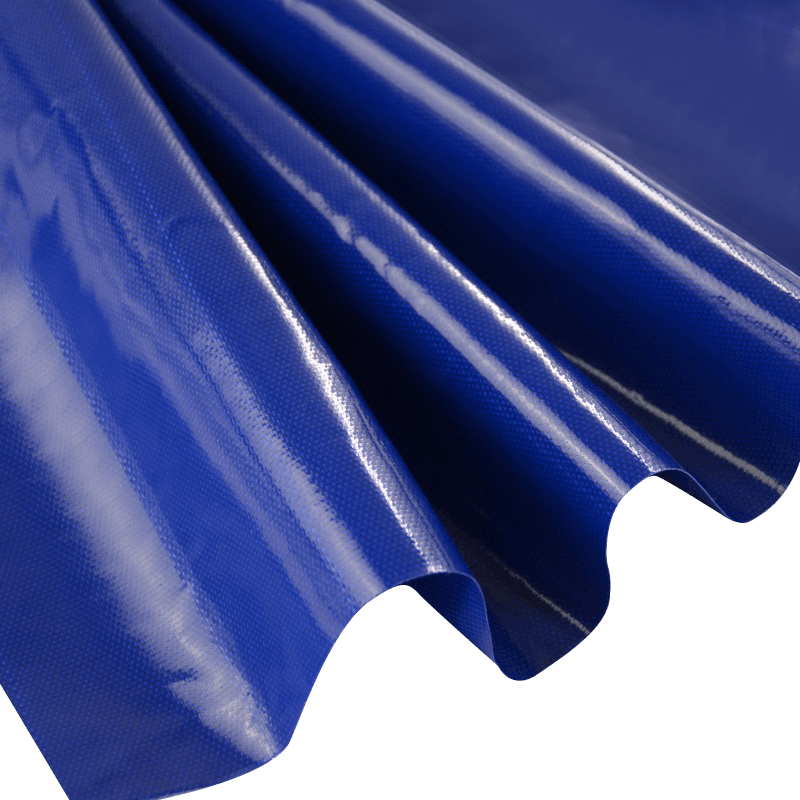
Reinforced PVC Mesh Fabric Film is a composite material made by laminating PVC film with a high-stre...
See Details