English
 Español
 Português
AL/PE Woven Fabric is a high-performance composite material made by laminating premium aluminum foil...
See Details
Industry News
Home / News / Industry News / Aluminum Foil Fiberglass Fabric Factory | Direct Manufacturer Since 2001
Aluminum Foil Fiberglass Fabric Factory | Direct Manufacturer Since 2001
Date:Aug 24, 2026
You are pricing out a large HVAC insulation project and the specification sheet calls for an aluminum foil fiberglass fabric facing. Not a tape. Not a reinforced kraft paper insulation facing. A woven-glass-cloth reinforced reflective laminate that can take industrial handling. The suppliers you contacted either resell imported rolls or cannot explain how their lamination process affects peel strength. That is the moment when a genuine aluminum foil fiberglass fabric factory becomes a procurement advantage rather than a marketing phrase.
What Is Aluminum Foil Fiberglass Fabric?
Aluminum foil fiberglass fabric is a composite laminate in which a thin aluminum foil, typically 7 to 25 microns, is bonded to a woven glass fiber cloth. The glass fabric provides tensile strength, dimensional stability, puncture resistance, and a wide working temperature range. The aluminum layer adds reflectivity, a moisture barrier, and a degree of electromagnetic shielding. Factories produce it in wide rolls, then slit it to customer widths for use as insulation facings, duct covers, flexible duct cladding, and shielding layers in cable assemblies.
The quality of the bond between the metallic and textile layers is the most important variable to evaluate. If the adhesive is applied unevenly or the composite is not fully cured, delamination shows up in the field as blisters, bubbles, or peeling edges. A specialized factory controls that process with dedicated coating and lamination lines rather than relying on a generic converter. To see the roll structure and customization options you can expect, look at this aluminum foil fiberglass fabric laminate film.
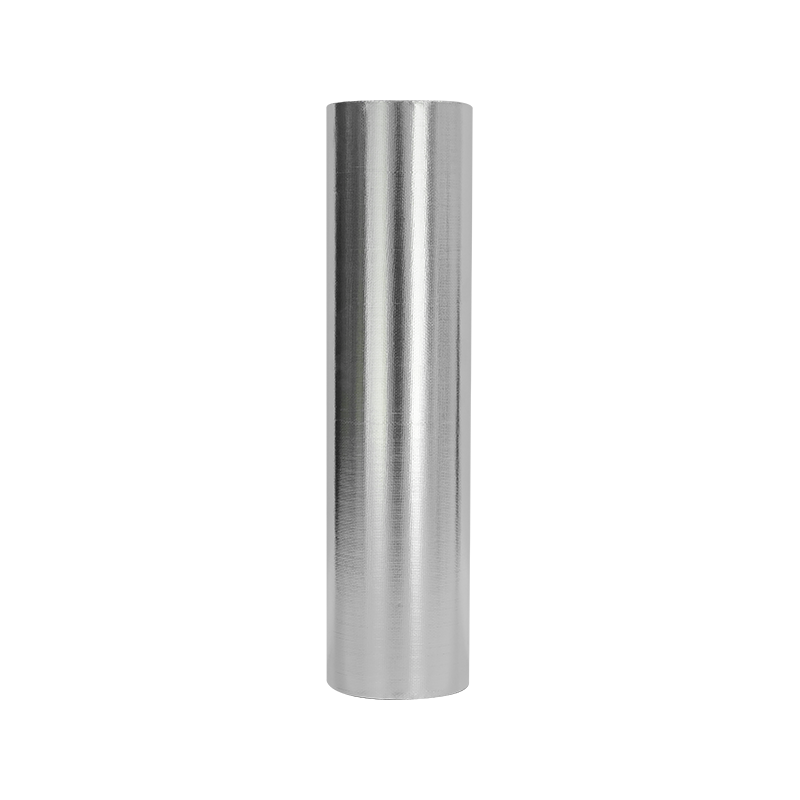 AL/Fiberglass Fabric Laminate Film Manufacturers, Suppliers, Custom Factory - HAAs China AL/Fiberglass Fabric Laminate Film Manufacturers, AL/Fiberglass Fabric Laminate Film Suppliers and AL/Fiberglass Fabric Laminate...View Product →
Why Source Directly from an Aluminum Foil Fiberglass Fabric Factory?
A factory and a trading company look similar in a PDF quotation. They behave differently when problems happen. When you buy from a factory, the people who mix the adhesive, set the lamination temperature, and test the rolls are the same people who discuss your specification.
What changes when you work with the producing factory?
- Process control: Adhesive spread rate, nip pressure, and curing conditions stay consistent from roll to roll.
- Material selection: In-house access to aluminum foil and film resources means you can adjust construction without changing suppliers.
- Testing: Peel strength, tensile, and roll hardness are checked on the production line, not only in a sales office.
- Pricing: There is no middle-stage markup per roll or per ton.
- Technical dialogue: Engineers who have run lamination lines can answer application questions more directly.
Factory-direct sourcing does not mean every factory fits your program. Evaluate the lamination line, not just the sample. Ask how the factory stores glass fabric, how often it calibrates the coating head, and whether it inspects every finished roll end.
Key Applications of Aluminum Foil Fiberglass Fabric
HVAC Ducting and Insulation Facing
In HVAC ducting, aluminum foil fiberglass fabric is used as an outer facing on duct wrap, duct liner, and pre-insulated duct boards. It reduces radiant heat transfer, stops moisture infiltration, and protects insulation from punctures during installation. The glass cloth adds the tear resistance that a pure film facing lacks on support angles and hangers. Many flexible and semi-rigid duct systems also use it as a reinforcement layer.
Thermal Insulation and Waterproofing
For building envelopes and industrial piping, the laminate serves as a vapor retarder and reflective barrier. Its woven glass layer improves resistance to mechanical damage from weather exposure, roof traffic, and normal construction handling when combined with a suitable waterproofing membrane system.
Cable Shielding and Industrial Wrapping
In cable shielding, the aluminum foil layer blocks interference while the fiberglass fabric carries tension during wrapping and prevents shorts in certain high-frequency constructions. Industrial plants also specify the laminate for protective jacketing on hot piping and for wrapping equipment that sits in humid or dusty environments.
How to Evaluate an Aluminum Foil Fiberglass Fabric Factory
Use this checklist during your next factory audit or quotation comparison. It focuses on the physical characteristics that decide whether the laminate survives real site conditions.
| Inspection point | Why it matters | Question to ask |
|---|---|---|
| Aluminum foil thickness | Thicker foil improves barrier and reflectivity but raises cost. | What foil thickness tolerance do you hold for 12 micron and 18 micron foil? |
| Glass fabric weight | Higher fabric weight raises tensile and tear strength. | What is the glass cloth weight and yarn count? |
| Peel strength | Poor bonding leads to blistering or edge peeling in service. | What minimum peel strength do you guarantee between foil and glass cloth? |
| Fire performance | Duct and insulation projects often require flame-retardant grades. | Which fire-retardancy rating is tested on this composite? |
| Width and roll format | Consistent rolls reduce downtime on slitting and converting lines. | What slit widths, roll lengths, and core sizes can you supply? |
| Documentation | Test certificates protect you in site inspections and code audits. | What test reports or certificates come with each shipment? |
You calibrate these points to your own application; a roofing vapor barrier has different priorities than a flexible duct reinforcement layer. The important thing is that the factory gives specific answers instead of marketing language.
Manufacturing Capabilities That Separate a Professional Factory from a Converter
Lamination Process Control
Quality starts with the adhesive system. A professional factory decides between dry lamination and solvent-free lamination based on the final requirements. Dry lamination offers broader material compatibility; solvent-free lamination gives faster panel time and lower emissions. Coating uniformity, bonding temperature, and dwell time determine whether the aluminum foil and glass cloth act as one layer or as two weak layers that happen to touch. Ask for a cross-section photo or a microscope image of the laminate before committing to a large order.
Roll Customization and Converting
A professional factory slits to the widths your converting line needs, supplies lengths based on your drum size, and offers optional embossing or coating on the outer foil. Custom constructions are also possible, such as adding a PET film or a PE coating on the glass face for extra moisture resistance. Each option changes handling, cost, and field performance, so confirm the minimum order quantity for every custom format.
Production Capacity and Lead Time
Capacity affects delivery reliability. A factory with a 10,000-ton annual capacity and export experience across more than 20 countries has proven scheduling systems for both trial orders and container shipments. In-house production of aluminum foil and selected films shortens the supply chain, which makes lead times more predictable when raw material markets tighten.
Why Hangzhou Dinghe Can Work as Your Aluminum Foil Fiberglass Fabric Factory
Hangzhou Dinghe has manufactured ultra-thin aluminum laminate materials since 2001. The company focuses on aluminum foil, single films, and multilayer composites, with a 10,000-ton annual production capacity and exports to more than 20 countries. That combination matters for aluminum foil fiberglass fabric purchasing because the factory can control more of the material stack instead of coordinating multiple external suppliers.
- 24 years of lamination experience across aluminum foil, films, and multi-layer structures.
- In-house aluminum foil and film production shortens supply lines and quality feedback loops.
- Four solution areas, covering HVAC ducting, waterproofing and thermal insulation, specialty packaging, and cable shielding, address most aluminum foil fiberglass fabric end uses.
- Export experience means packaging, documentation, and container loading are routine, so customs and logistics issues appear less often.
When you order trial quantities or move to a full container, the same lamination parameters, the same testing steps, and the same quality documents apply. The factory team understands the difference between a polished sample and a repeatable production roll.
An aluminum foil fiberglass fabric project comes down to process control. The aluminum foil reflects and blocks; the glass fiber cloth strengthens and protects; the factory bond holds everything together. Choose an aluminum foil fiberglass fabric factory that can show its lamination line, explain its testing, and commit to specific tolerances. That is how you avoid delamination, cracked facings, and material that looks identical on paper but fails on site.
Content
- 1 What Is Aluminum Foil Fiberglass Fabric?
- 2 Why Source Directly from an Aluminum Foil Fiberglass Fabric Factory?
- 3 Key Applications of Aluminum Foil Fiberglass Fabric
- 4 How to Evaluate an Aluminum Foil Fiberglass Fabric Factory
- 5 Manufacturing Capabilities That Separate a Professional Factory from a Converter
- 6 Why Hangzhou Dinghe Can Work as Your Aluminum Foil Fiberglass Fabric Factory
Recommended Articles
Related products
-
-
The 8011-O Ultra-Thin Aluminum Foil, Al-Fe-Si alloy contains a small amount of iron and silicon elem...
See Details -
It is widely used in scenarios such as air filters, corrugated aluminum foil, phenolic board veneers...
See Details -
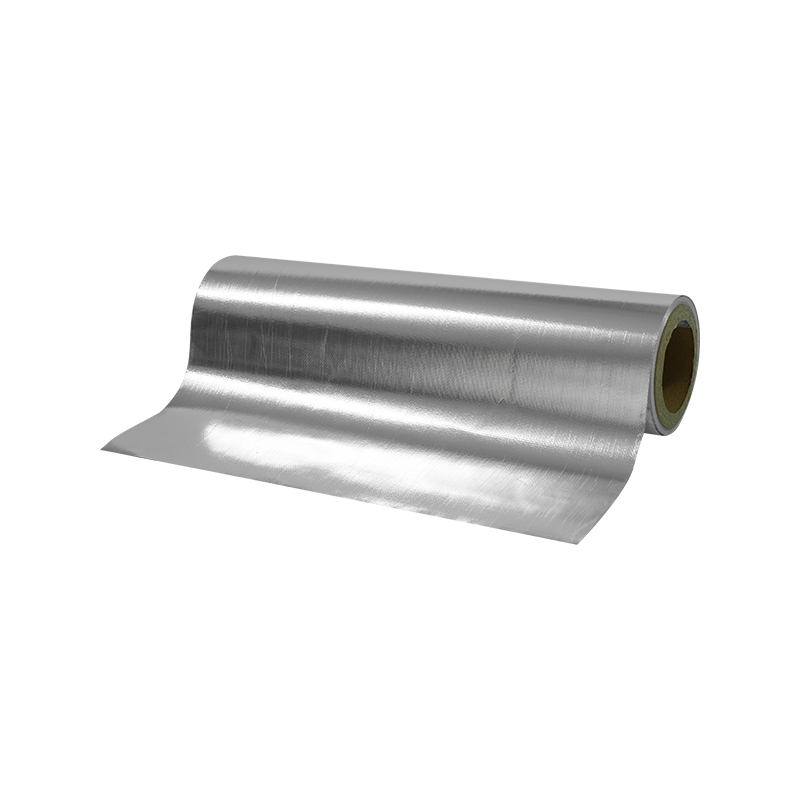
AL/Fiberglass Fabric laminate Film is a film with very high cost performance, especially its excelle...
See Details -
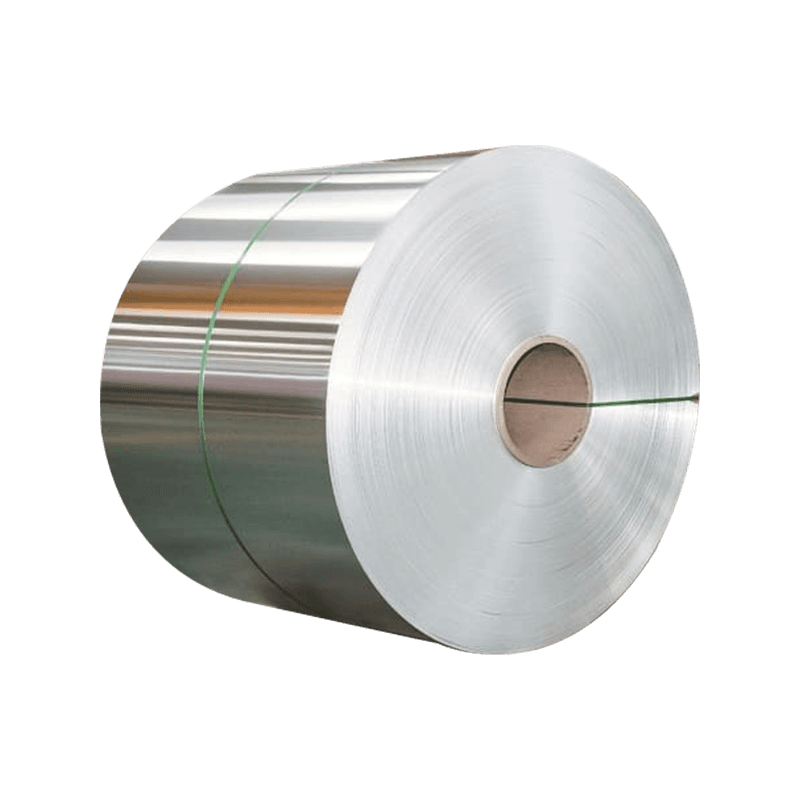
Aluminum strips are usually around 0.09-0.2mm in thickness, featuring better plasticity and electric...
See Details -
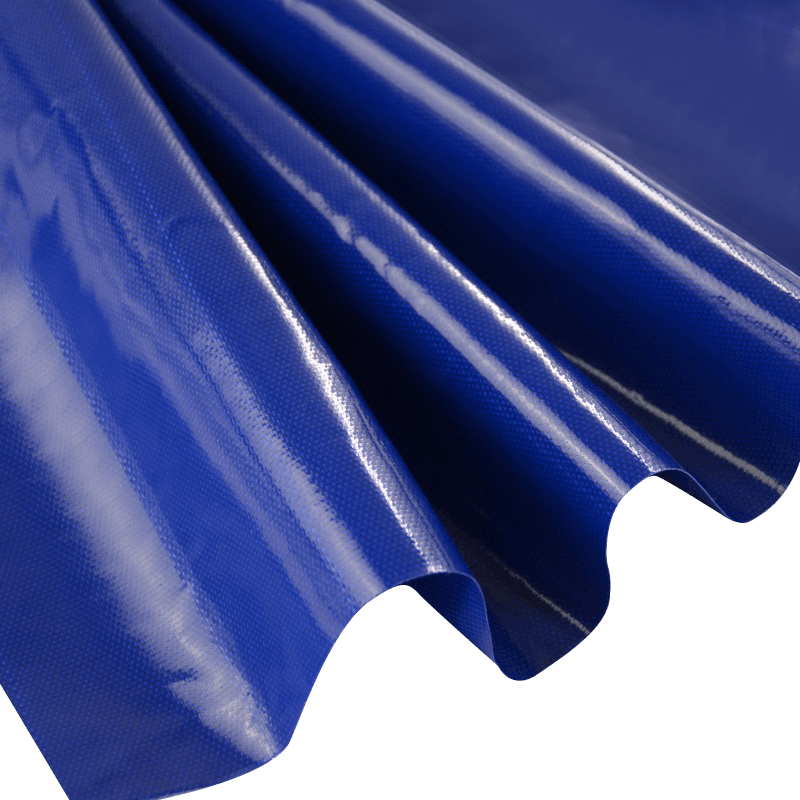
Reinforced PVC Mesh Fabric Film is a composite material made by laminating PVC film with a high-stre...
See Details