English
 Español
 Português
AL/PE Woven Fabric is a high-performance composite material made by laminating premium aluminum foil...
See Details
Industry News
Home / News / Industry News / Aluminum Foil Fiberglass Cloth vs Woven vs Nonwoven Laminate Materials: How to Choose
Aluminum Foil Fiberglass Cloth vs Woven vs Nonwoven Laminate Materials: How to Choose
Date:Sep 01, 2026
Fiberglass, woven, and nonwoven — the base fabric behind an aluminum foil laminate is what actually decides how it performs, even though all three look similar on a spec sheet with that same shiny reflective layer on top. The differences show up in strength, how the material handles under heat, how much it weighs on a roll, and what it costs per square meter. As a starting point: fiberglass earns its place wherever heat and strength both matter, woven fabric is the pick when stability and tear resistance can't be compromised, and nonwoven wins on weight and price when the job doesn't demand much mechanical toughness.
Aluminum Foil Fiberglass Cloth: Built for Demanding Conditions
This laminate pairs a thin aluminum foil with a woven fiberglass fabric underneath. The glass weave is what gives it strong tensile properties, keeps its shape under heat, and shrugs off tearing and stretching better than the alternatives. That combination is why it tends to get specified anywhere the material will see high temperatures, frequent handling, or mechanical stress during install.
Glass fabric simply doesn't burn, so the composite holds together even under flame exposure — though it's worth noting the aluminum layer will soften well before the fiberglass underneath gives way. This is the material you'll typically find in HVAC duct insulation, pipe wrap, heat shields, and fire-resistant insulation panels. It also copes with wider temperature swings than nonwoven, which keeps condensation risk down.
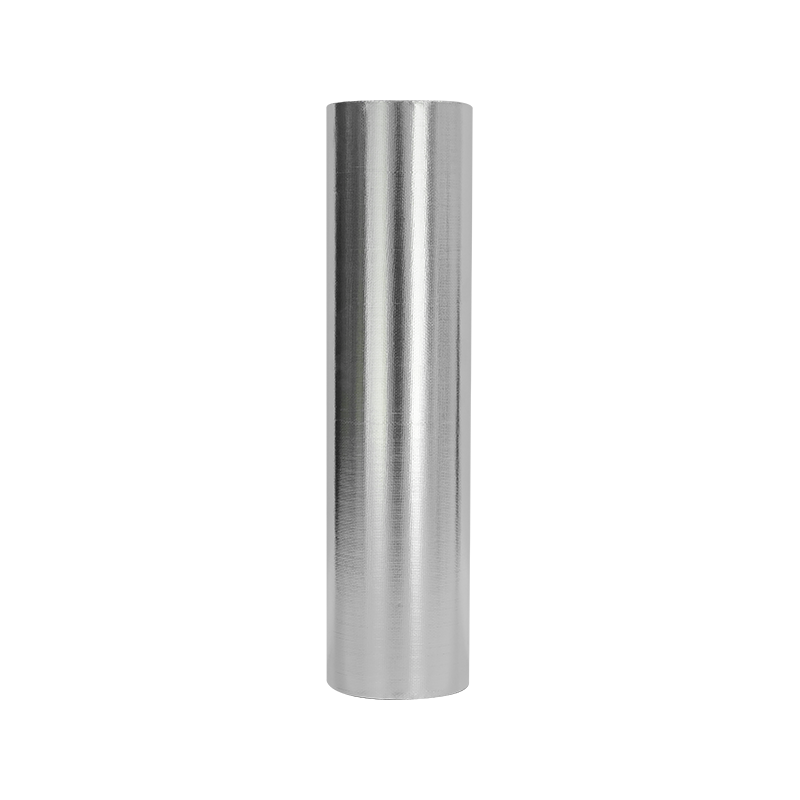 AL/Fiberglass Fabric Laminate FilmAL/Fiberglass Fabric laminate Film is a film with very high cost performance, especially its excellent fire resistance performance. It is highly applicable in the fiel...View Product →
Worth checking before you settle on a spec: weight, weave count, and coating type, matched against the actual service temperature you're designing for. A heavier glass weave holds up better against tearing but adds cost and stiffness along with it. Go lighter and it's easier to work with on site, though it won't take as much abuse in high-vibration settings.
Aluminum Foil Woven Cloth: Heavier, But It Holds Its Shape
Here the aluminum foil is bonded to a woven fabric base — usually polyethylene (PE), though other woven synthetics show up too. That woven structure gives the laminate a thicker, stiffer feel and noticeably better resistance to punctures and abrasion than the lighter options. It also holds its shape well, which matters for free-standing duct liners and large insulation runs where sagging would otherwise be a problem.
The catch is weight and price. Woven cloth runs heavier than nonwoven and costs more per square meter, largely because the base fabric itself is pricier to produce. In exchange, it tolerates rougher handling during installation and tends to last longer in demanding environments. On plenty of HVAC and construction jobs, that extra durability ends up paying for itself by avoiding rework down the line.
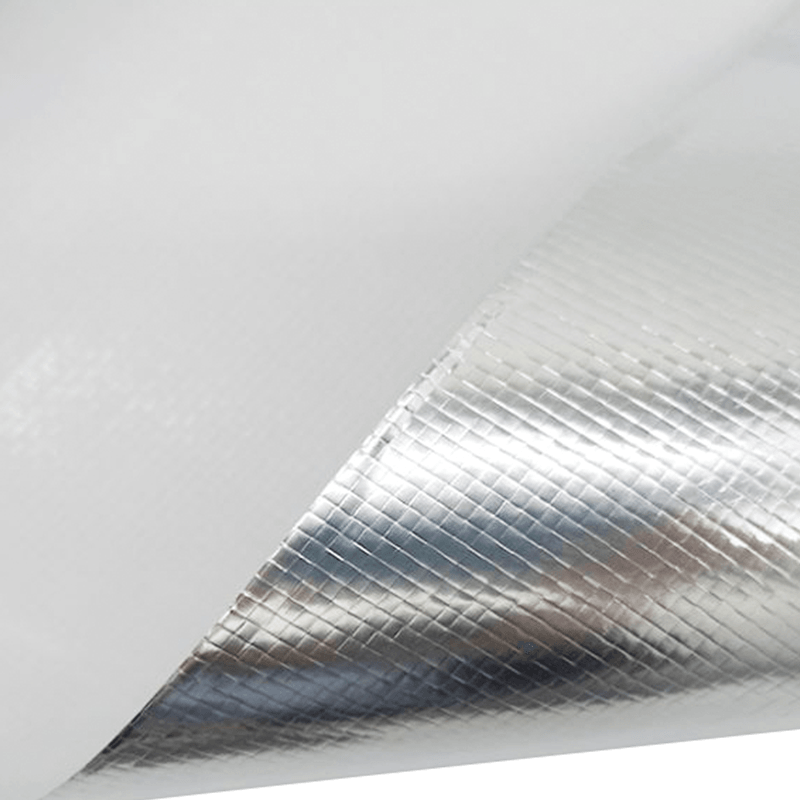 Aluminum Foil Laminate PE Woven FabricAL/PE Woven Fabric is a high-performance composite material made by laminating premium aluminum foil (7–30 μm, customizable) with durable PE woven fabric (15–150 g/m²,...View Product →
If the job involves folding, wrapping, or mechanical fastening, woven cloth handles that stress noticeably better than the lighter nonwoven products. It also cuts down air convection more effectively when it's built into a building insulation system.
Aluminum Foil Nonwoven Cloth: Light, Fast to Install, Easy on Budget
This version laminates foil onto a nonwoven fabric base — often spunbond or meltblown polypropylene or polyester. Of the three, it's the lightest and most pliable, which makes it faster to cut, wrap, and bend on site and cuts down on labor time. On top of that, it still reflects heat well and blocks moisture, so it shows up often in insulation board wraps, pipe insulation covers, and packaging.
Because the nonwoven base can't match woven fabric's tensile and tear strength, it's best kept to jobs where the laminate isn't carrying real mechanical load. It's also the cheapest per unit area of the three, which counts for a lot on large-area jobs where budget drives the decision. Suspended HVAC ducts that need to hold a rigid shape probably need more strength than nonwoven can offer — but for flat sheets and general wrapping, it does the job well.
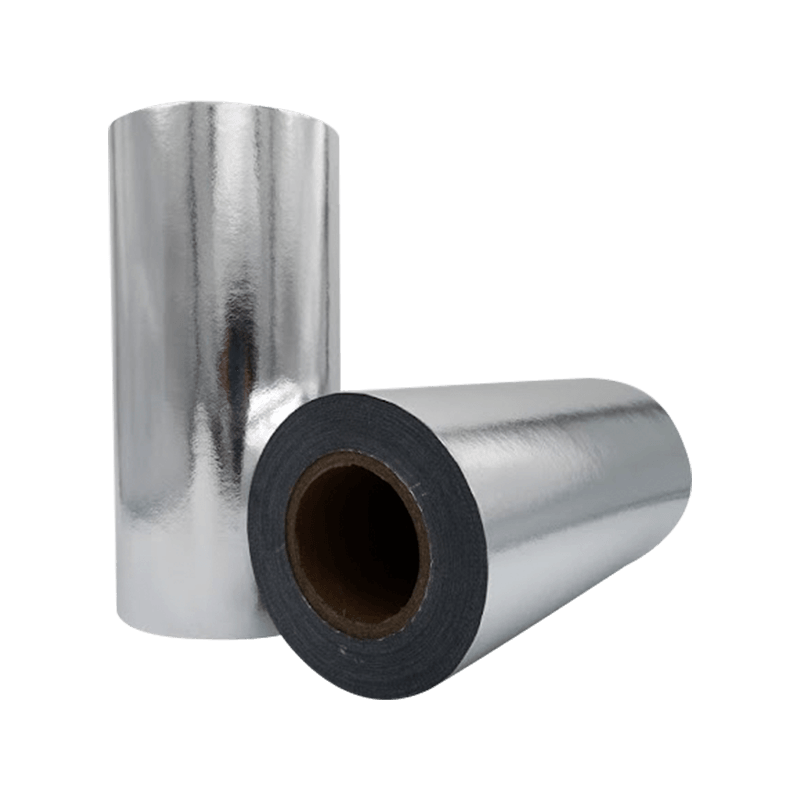 AL/Non-Woven Fabric Laminate FilmAL/Non-Woven Fabric Laminate Film is a cost-effective composite material that integrates the barrier properties of aluminum foil with the lightweight, breathable, and ...View Product →
Keep an eye on the edges, though — the nonwoven fibers can fray if the laminate gets stretched too far. A finer nonwoven base at an adequate grammage usually fixes this without piling on extra weight.
Side-by-Side Comparison
| Property | Fiberglass Cloth | Woven Cloth | Nonwoven Cloth |
| Base material | Woven fiberglass | Woven PE or synthetic | Spunbond/meltblown polypropylene or polyester |
| Tensile strength | High | Moderate to high | Low to moderate |
| Tear resistance | Very good | Good | Moderate |
| Temperature resistance | Excellent base; limited by aluminum layer | Moderate | Moderate to low |
| Weight | Heavier | Heavy | Lightweight |
| Dimensional stability | Excellent | Excellent | Fair |
| Cost per area | Moderate to high | High | Low |
| Typical uses | HVAC ducting, heat shields, fire-proof insulation, pipe wrapping | Duct liners, construction insulation, heavy-duty packaging | Insulation wraps, packaging, board lamination |
Working Through the Decision
Peak operating temperature is where to start. Once surface temperatures push past roughly 80°C in regular use, nonwoven is off the table and fiberglass becomes the safer bet. Most HVAC ducting stays under 60°C, though, so at that range all three materials are genuinely on the table. From there, think about mechanical load: if the laminate has to support its own weight across a vertical span, fiberglass or woven will outperform nonwoven. If it's simply backing up another material, nonwoven can usually get the job done.
Installation is the next piece worth thinking through. Will workers be pulling the laminate tight around corners and seams? Woven cloth resists tearing well in that scenario, but it's heavier and slower to maneuver. Nonwoven bends and cuts more easily, which trims installation time. On large insulation boards, an adhesive-backed nonwoven laminate often strikes the best balance between labor and performance.
Budget tends to be the deciding factor at the end. On a large-scale project, the price gap between nonwoven and woven adds up fast. Going cheap with nonwoven can save money up front, but a laminate with exposed, unprotected edges may fail sooner than expected. It's worth running a small field trial before committing to a large order — most manufacturers will also send free samples so you can test handling and adhesion firsthand.
For more on how these laminates get used across different systems, our HVAC ducting solutions page breaks down where each structure fits within a duct system.
Bottom Line
Fiberglass cloth is the safer call in high-temperature, high-stress settings. Woven cloth gives you a durable, dimensionally stable laminate when the extra weight isn't a dealbreaker. Nonwoven cloth strikes the best cost-to-performance balance for moderate-duty jobs across large areas. Narrow things down by temperature and mechanical demand first, then weigh price against installation time from there. Get the base fabric right, and the laminate will hold up for the full life of the project.
Content
Recommended Articles
Related products
-
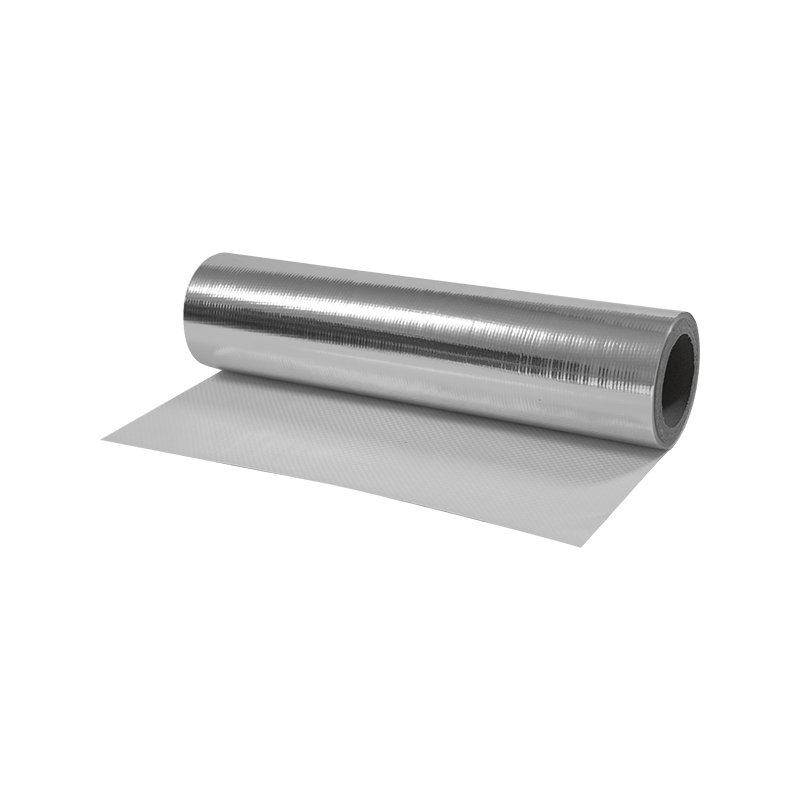
-
The 8011-O Ultra-Thin Aluminum Foil, Al-Fe-Si alloy contains a small amount of iron and silicon elem...
See Details -
It is widely used in scenarios such as air filters, corrugated aluminum foil, phenolic board veneers...
See Details -
AL/Fiberglass Fabric laminate Film is a film with very high cost performance, especially its excelle...
See Details -
AL/Non-Woven Fabric Laminate Film is a cost-effective composite material that integrates the barrier...
See Details -
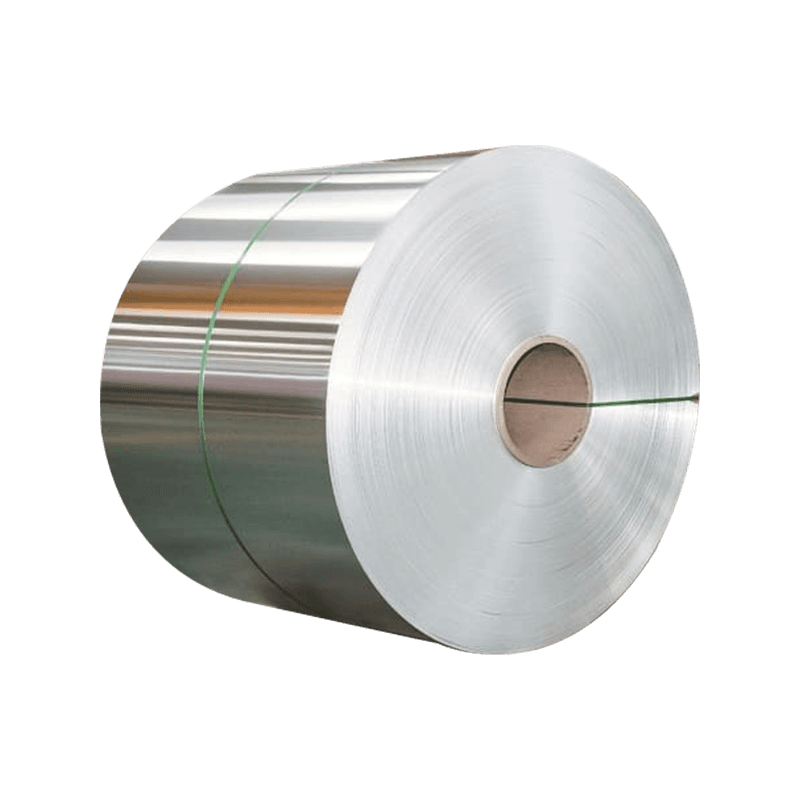
Aluminum strips are usually around 0.09-0.2mm in thickness, featuring better plasticity and electric...
See Details