English
 Español
 Português
The four-layer composite film of PET/AL/PA/CPP combines four materials with distinct properties thro...
See Details
EN

Industry News
Aluminized PET vs PE vs CPP: Key Differences and How to Choose
Date:Aug 05, 2026
Imagine you are a packaging engineer tasked with specifying a laminate for a new line of retort pouches, while your colleague in the building materials division is simultaneously evaluating reflective facings for HVAC duct insulation. Both of you will likely start with the same shortlist: aluminized PET, PE, and CPP films. Yet, the right answer for one project would be a costly failure for the other. This is because PET, PE, and CPP are not interchangeable. They are chemically distinct polymers with fundamentally different mechanical and thermal personalities, and the aluminization process further alters their barrier and reflective properties. This guide provides a structured, data-backed comparison of these three substrates to help you move beyond generic "best material" debates and make an informed selection based on your specific application demands.
The Basics: PET, PE, and CPP at a Glance
Before comparing performance after metallization, it is essential to understand the base polymers. The molecular structure dictates why PET is rigid, why PE is flexible, and why CPP sits in between.
PET: The Rigid Workhorse
Polyethylene terephthalate (PET) is a polyester with an aromatic ring in its molecular backbone, which makes the polymer chain stiff and strong. This translates into excellent tensile strength, dimensional stability, and high clarity. It also has the highest melting point of the three (typically above 250°C) and can sustain continuous service temperatures above 120°C. However, untreated PET is inherently difficult to heat-seal without special coatings or added layers.
PE: The Flexible Sealing Expert
Polyethylene (PE) is a simple polyolefin with a long, flexible carbon-hydrogen chain. This structure gives PE its soft, waxy feel, excellent chemical resistance, and superior heat-seal characteristics at low temperatures. The trade-off is its low melting point (approximately 105–115°C for LDPE) and poor temperature resistance, which makes it unsuitable for retort or high-temperature filling applications.
CPP: The Balanced Performer
Cast polypropylene (CPP) is also a polyolefin, but its molecular chain has a methyl group that adds rigidity compared to PE. Produced by rapid cooling on a chill roll, CPP offers a good balance of clarity, stiffness, and heat resistance. It seals at a higher temperature than PE but provides superior hot-tack strength and puncture resistance. It withstands temperatures up to roughly 120°C, making it a common choice for hot-fill and retort packaging.
| Property | PET | PE (LDPE) | CPP |
|---|---|---|---|
| Tensile Strength | High (Rigid) | Low (Flexible) | Medium |
| Max Continuous Use Temp | >120°C | ~80–90°C | ~100–120°C |
| Heat Sealability | Poor (needs coating) | Excellent | Good |
| Clarity | Excellent | Good | Good (Slight Haze) |
| Chemical Family | Polyester | Polyolefin | Polyolefin |
What Does "Aluminized" Actually Change?
The term "aluminized" (often used interchangeably with "metalized", though the former emphasizes the reflective aluminum appearance) refers to a vacuum deposition process. In a vacuum chamber, aluminum is heated until it vaporizes, then condenses onto the moving film surface as an ultra-thin layer, typically only a few hundred angstroms thick. This process is critical to understand for two reasons: it does not alter the base film's mechanical strength or sealing properties, but it fundamentally changes the film's interaction with gases, moisture, and light.
The primary benefits of aluminization are threefold:
- Barrier Enhancement: A thin aluminum layer creates a tortuous path for gas molecules, drastically reducing oxygen and water vapor transmission rates (OTR and WVTR). Studies from Labthink show that metallization significantly lowers OTR of PET, though the degree of improvement depends on base film surface smoothness and aluminum adhesion.
- Reflectivity and Aesthetics: The metallic layer offers a shiny, opaque finish that reflects radiant heat and provides a premium appearance for packaging.
- Light Protection: The aluminum layer blocks UV and visible light, protecting light-sensitive contents like coffee, snacks, and pharmaceuticals.
However, the base film still defines the mechanical limits. You cannot stretch a metallized PE film into a structural component, nor can you heat-seal a metallized PET film without a pre-applied sealant layer. The choice of base substrate remains paramount.
Comparative Performance: Aluminized PET vs PE vs CPP
When comparing the three, it is helpful to acknowledge that while PE can be aluminized, it is rarely used as a standalone metallized film due to its low melting point and surface softness. Instead, PE dominates as an inner sealant layer in multi-layer laminates. Conversely, aluminized PET (VMPET) and aluminized CPP (VMCPP) are established commercial products. The following comparison focuses on the functional performance of these aluminized substrates and their non-aluminized counterparts for context.
Oxygen & Moisture Barrier
The most significant jump in performance comes from the aluminum layer. For instance, uncoated CPP has an OTR in the range of 2,300–2,500 cc/m²/day. A properly applied aluminum layer can reduce this by over 99%, bringing metallized PET films to a range of single digits (cc/m²/day) or lower. A similar drastic improvement is observed in WVTR, where metallization can improve barrier by 50–80% compared to the uncoated substrate.
- Aluminized PET; The first choice for maximum barrier and structural integrity. Its smooth surface promotes excellent aluminum adhesion, yielding the highest consistent barrier of the three.
- Aluminized CPP; Offers good barrier and adds the benefit of a sealable layer. It is selected when a single-ply metallized structure with heat sealability and moderate puncture resistance is required.
- PE (As a layer); Not chosen as the barrier layer itself. Its role is to provide a reliable, low-cost moisture seal in a laminate where AL or VMPET handles oxygen protection.
Heat Resistance & Sealability
Understanding the temperature hierarchy (PET > CPP > PE) is crucial for the filling and sterilization processes.
| Criterion | Aluminized PET (VMPET) | Aluminized CPP (VMCPP) | PE (as Sealant) |
|---|---|---|---|
| Heat Resistance | Excellent (>120°C) | Good (100-120°C) | Poor (80-90°C max) |
| Heat Seal Layer | Not Sealable (needs Lamination) | Yes (inherently sealable) | Yes (inherently sealable) |
| Retort Suitability | Yes (as outer layer) | Yes (as inner layer, up to 120°C) | No |
| Puncture Resistance | Moderate | High | Medium |
Real-World Applications: Where Each Material Wins
The selection logic becomes clear when we map these properties to specific industry challenges.
Aluminized PET (VMPET): The High-Barrier Outer Layer
If the application demands high barrier, glossy aesthetics, and the ability to hold a printed image, VMPET is the default outer layer. It is widely used in coffee packaging to keep oxygen out and aroma in, in snack foods for crispness preservation, and in cable shielding for its reflective dielectric properties. For HVAC ducting material solutions, VMPET's reflectivity rejects radiant heat, reducing thermal transmittance. It can also be used as a base for further lamination, such as PET shrink film for specialized packaging needs, where moisture barrier is a secondary requirement.
PE (As a Sealant Layer): The Cost-Effective Inner Layer
For standard dry goods, frozen food, and liquid packaging, the inner layer must seal quickly and securely at low temperatures. PE provides the lowest activation temperature and excels here. As a layer in a flexible package, PE is soft, quiet, and cost-effective. Suppliers often recommend LDPE film for heat-sealing layers in combination with an outer layer like AL/PET to achieve barrier and seal integrity without breaking the budget.
CPP (Including VMCPP): The Retort and Puncture Resistant Inner Layer
When the packaging line includes hot-filling (above 90°C) or retort sterilization (up to 121°C), PE simply cannot survive the heat. Here, CPP's superior heat resistance and mechanical toughness make it the right choice. It resists the physical stress of sharp-edged products (like bones or nuts) better than PE. For a single-ply application where a sealable, reflective film is needed, VMCPP film: metallized cast polypropylene for demanding packaging offers an elegant solution, combining moderate barrier, sealability, and a metallic appearance in one structure.
At the end of the day, the choice hinges on your process. Do you need to survive an autoclave? Then PE is out. Do you need a printable, rigid outer web? Then VMPET is required. For more specific industry requirements, exploring specialty packaging solutions for barrier and sealing requirements can tailor the answer to your line's constraints.
From Single Films to Laminates: How to Combine Them
In most demanding applications, the answer is not to choose one of these films, but to combine them. The classic laminate structure uses an outer layer for strength and printing, a middle barrier layer (often aluminum foil or AL/PET), and an inner layer for heat sealing. The choice between PE and CPP as the inner layer is the last and most critical decision.
PET/AL/PE: The Versatile Standard
This structure is the workhorse of flexible packaging. The PET outer layer provides print quality and pin-hole resistance. The aluminum foil provides an absolute barrier to gases, moisture, and light. The PE inner layer provides a strong, reliable heat seal at low temperatures, which is ideal for high-speed packaging machinery. Choosing the right combination is a matter of application specifics; an existing "Is PET/PE laminate film the right choice for your application?" guide is a useful reference for assessing this often-overlooked pairing.
PET/AL/CPP: The Retort-Grade Alternative
When the package must withstand the high temperatures and high pressures of retort sterilization, the inner PE layer is swapped for CPP. While CPP requires higher sealing temperatures than PE, its thermal resistance prevents the seal from breaking down during the autoclave cycle. The added mechanical stiffness of CPP also helps the pouch resist flex-cracking and puncture from product contents, extending shelf life in harsh distribution environments. For two-layer applications where foil is not needed but high reflectivity and barrier are, an AL/PET structure like the AL/PET laminate film for barrier and reflective applications provides a simple, robust solution.
| Laminated Structure | Primary Use Cases | Key Advantages |
|---|---|---|
| PET/AL/PE | Snacks, coffee, dry goods, liquid packaging | High barrier, low sealing temperature, cost efficient |
| PET/AL/CPP | Retort pouches, hot-filled products, medical packaging | High barrier, heat and puncture resistant seals |
| AL/PET (2-layer) | Insulation facings, reflective layers, cable wraps | High reflectivity, structural strength, ultrathin |
Comparative Selection Framework: A Decision Checklist
To translate the data into action, use this simplified decision checklist based on your four primary constraints: barrier need, temperature requirement, sealing capability, and budget.
- Is the package required to exceed a 90°C filling temperature? If yes, skip PE and go directly to CPP as the inner layer. If no, PE remains a viable, cheaper inner layer.
- Does the product require an oxygen barrier below 10 cc/m²/day? If yes, you need a metallized or foil-based outer/middle layer. Aluminized PET is essential for reliable high barrier.
- Does the application require a metal look for consumer appeal? If yes, the outer layer should be VMPET for gloss and printability, not a duller metallized CPP.
- Is the package subject to abrasion or attack from sharp edges? If yes, use CPP, which offers far superior puncture resistance to PE or thin PET layers.
- Is the cost of materials your primary driver? If yes, PE-based laminates are significantly cheaper than CPP-based ones. Choose PE whenever temperature constraints allow.
This checklist is a starting point, not a replacement for line trials. Final selection must consider machinery sealing times, printable surface treatment, and compliance with food contact regulations specific to your market.
Conclusion: Choose by Application, Not by Habit
The comparative analysis of aluminized PET, PE, and CPP reveals three distinct materials that are frequently mistaken for interchangeable packaging components. To summarize the decision framework: choose aluminized PET when you need a rigid, high-barrier, printable outer structure; choose PE as an inner sealant when cost and low-temperature sealing are your primary drivers; and choose CPP as an inner sealant when the package must endure high temperatures or rough handling. The logic is simple: if you need high barrier, pick PET-based or foil laminates; if you need a retort-grade seal, pick CPP; if you need a cost-effective seal, pick PE. The final solution often lies not in selecting one, but in using a composite structure that leverages each material's core strength. Discussing your specific application requirements with a reliable supplier who can provide samples and production data is the safest path to a sound material selection.
Content
- 1 The Basics: PET, PE, and CPP at a Glance
- 2 What Does "Aluminized" Actually Change?
- 3 Comparative Performance: Aluminized PET vs PE vs CPP
- 4 Real-World Applications: Where Each Material Wins
- 5 From Single Films to Laminates: How to Combine Them
- 6 Comparative Selection Framework: A Decision Checklist
- 7 Conclusion: Choose by Application, Not by Habit
Recommended Articles
Related products
-
-
PET Shrink Film is renowned for its exceptional transparency, high tensile strength and recyclabilit...
See Details -
PET/AL/PET Triplex Film is multilayer laminate composed of Polyester (PET) / Aluminum Foil (AL) / Po...
See Details -
PET/AL/PE Triplex Film is a high-performance composite packaging material engineered with a three-la...
See Details -
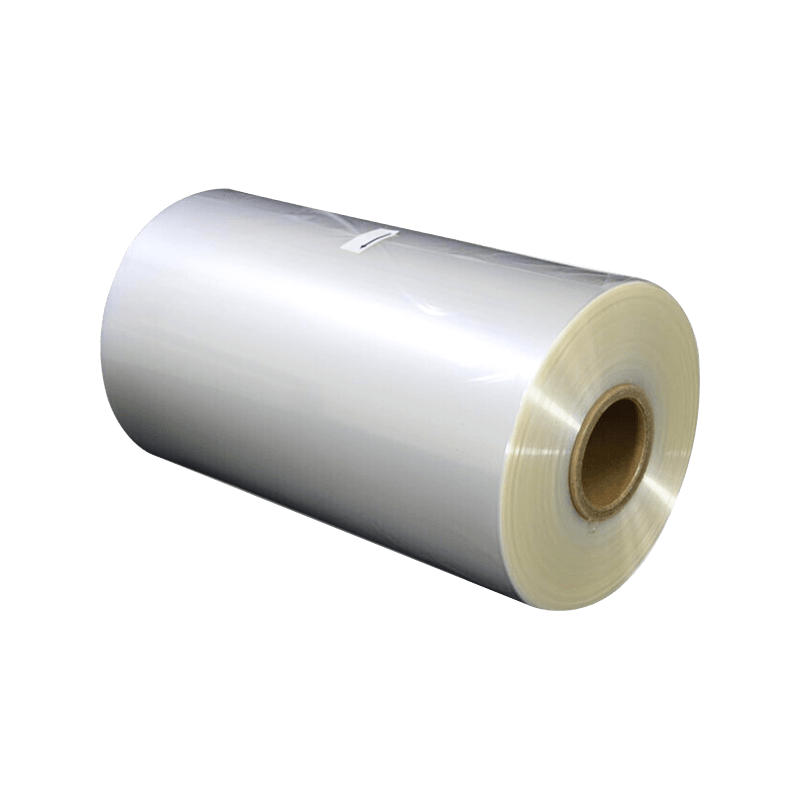
PET/PE laminated film is a method for dry composite processing, where PE film and PET film are lamin...
See Details -
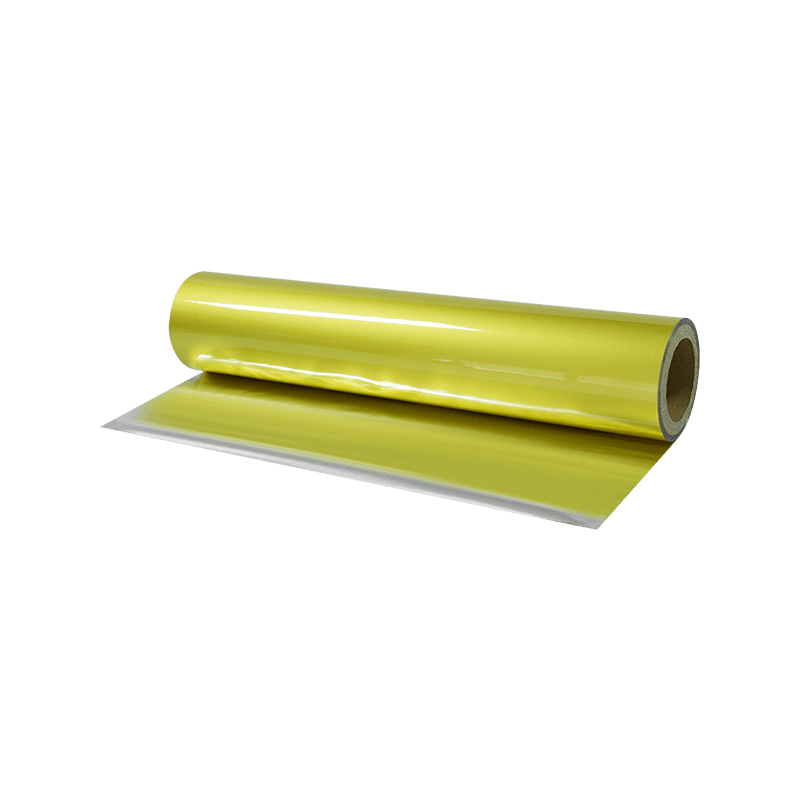
DINGHE AL/PET/VMPET Triplex Film is a high-barrier, multi-functional laminate designed for demanding...
See Details