English
 Español
 Português
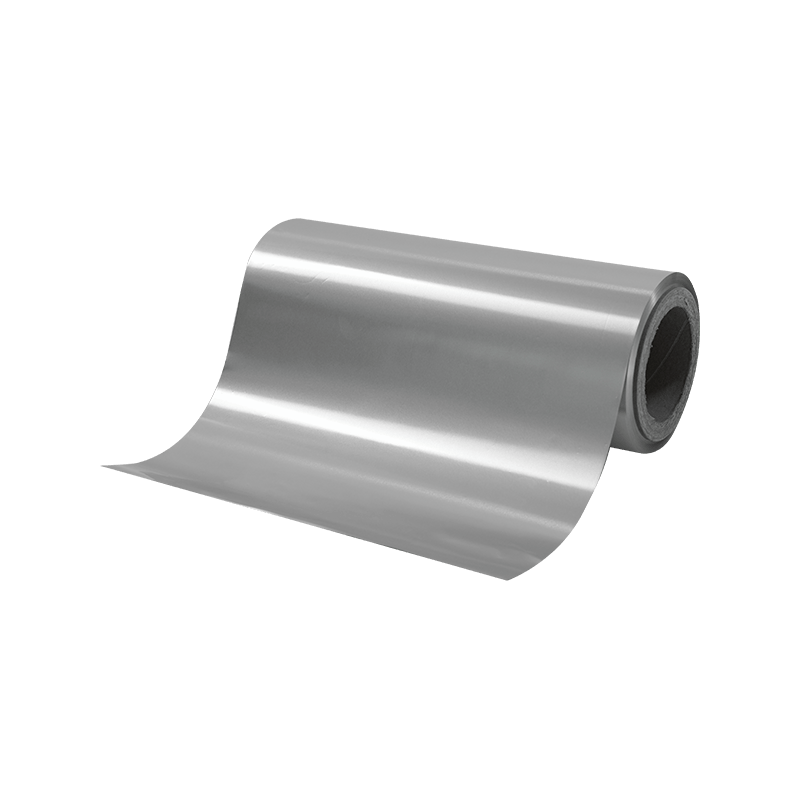
PET/AL/PET Triplex Film is multilayer laminate composed of Polyester (PET) / Aluminum Foil (AL) / Po...
See Details
Industry News
Why Is PET/AL/PE Triplex Film Trusted for High-Barrier Packaging?
Date:Apr 22, 2026
What Is PET/AL/PE Triplex Film?
PET/AL/PE triplex film is a three-layer laminate packaging material that combines polyethylene terephthalate (PET), aluminum foil (AL), and polyethylene (PE) into a single, unified structure. Each layer is bonded using adhesive lamination — either solvent-based or solventless — to produce a film that delivers performance no single material could achieve independently. The PET layer forms the printable outer surface, the aluminum foil provides an absolute barrier against light, oxygen, and moisture, and the PE inner layer enables heat sealing to form pouches, sachets, and sealed trays.
This triplex construction is one of the most widely specified laminate structures in the global packaging industry. It is the default choice wherever product protection is non-negotiable — particularly for products that are sensitive to oxygen, UV light, or moisture during extended shelf storage. Its physical and chemical performance makes it a reliable workhorse in food, pharmaceutical, agricultural, and industrial packaging.
Layer-by-Layer Structure and Function
Understanding how each layer contributes to the overall performance of PET/AL/PE triplex film is essential for making informed sourcing and design decisions. The standard construction uses 12-micron PET, 7–9 micron aluminum foil, and 50–80 micron PE, though thicknesses vary based on application demands.
PET Outer Layer
The PET layer acts as the structural backbone of the outer surface. It provides high tensile strength, dimensional stability, and a smooth, receptive surface for rotogravure or flexographic printing. PET resists temperatures up to 150°C, making it compatible with high-speed printing lines and retort applications. Its optical clarity before aluminum lamination also allows for quality control during the lamination process itself.
Aluminum Foil Middle Layer
The aluminum foil layer is the defining feature of this triplex structure. Even at thicknesses as low as 7 microns, aluminum foil achieves near-zero transmission rates for oxygen (OTR) and water vapor (WVTR), outperforming all polymer-based barrier films. It also provides complete light opacity, which is critical for protecting photodegradable products such as vitamins, essential oils, and light-sensitive pharmaceuticals. The foil layer also contributes a premium metallic aesthetic that is highly valued in retail packaging.
PE Inner Sealant Layer
The innermost PE layer is responsible for heat sealing and direct food or product contact. LDPE is most commonly used for its low seal initiation temperature (110–130°C) and excellent flexibility. LLDPE is selected when greater toughness and puncture resistance are needed, such as in retort pouches or heavy-duty sachets. Food-contact grades of PE comply with FDA 21 CFR and EU 10/2011 regulations, ensuring safe use in direct food and pharmaceutical packaging.
Barrier Performance: How PET/AL/PE Compares
Barrier performance is the primary reason PET/AL/PE triplex film is specified over simpler two-layer laminates. The aluminum foil core delivers absolute protection across all critical barrier categories, placing this film in a class above alternatives that rely on metallized coatings or EVOH layers alone.
| Film Structure | Oxygen Barrier | Moisture Barrier | Light Barrier | Shelf Life Potential |
| PET/AL/PE | Excellent | Excellent | Complete | 12–36 months |
| PET/PE | Moderate | Good | None | 3–6 months |
| BOPP/PE | Low | Good | None | 2–4 months |
| PET/EVOH/PE | Very Good | Good | None | 6–12 months |
| Metallized PET/PE | Good | Good | Partial | 6–9 months |
The data above makes clear that PET/AL/PE triplex film is in a category of its own for barrier completeness. While PET/EVOH/PE approaches its oxygen barrier performance, it falls short on light blocking — an often-overlooked but critical factor for many sensitive products. When total protection is needed, no commercially viable alternative currently matches aluminum foil-based laminates.
Core Application Areas for PET/AL/PE Triplex Film
The exceptional barrier performance of PET/AL/PE triplex film makes it the go-to specification in industries where product degradation has direct consequences — whether for food safety, drug efficacy, or agricultural viability. Its applications span a remarkably wide range of product types and packaging formats.
Food Packaging
PET/AL/PE triplex film is the standard laminate for packaging coffee, tea, powdered milk, dried soups, spices, and ready-to-eat meals. In these categories, oxygen and moisture ingress directly causes rancidity, clumping, flavor loss, and microbial growth. The film's absolute oxygen and moisture barrier extends shelf life dramatically — often from weeks to 12–24 months — without the need for refrigeration or preservatives. Retort-grade variants using CPP (cast polypropylene) instead of PE are used for heat-processed pouches that undergo sterilization at 121°C.
Pharmaceutical Packaging
In the pharmaceutical industry, PET/AL/PE triplex film is used for blister lidding foils, strip packaging, unit-dose sachets, and multi-layer pouch systems. Drug stability is directly tied to moisture and oxygen exclusion, and regulatory agencies including the FDA and EMA require validated barrier performance for many product categories. The film's complete light barrier also protects photosensitive active ingredients, reducing the need for secondary opaque packaging. Pharmaceutical-grade constructions use high-purity adhesives and PE resins with full migration compliance documentation.
Agricultural Chemicals and Seeds
Agrochemical pouches, pesticide sachets, and seed storage bags commonly use PET/AL/PE triplex film. In these applications, the aluminum barrier prevents moisture from activating chemical compounds prematurely, while also preventing vapor transmission that could cause packaging material degradation. The structural strength of the triplex construction also provides the puncture and tear resistance needed to withstand rough handling in field distribution environments.
Personal Care and Nutraceuticals
Single-use facial mask pouches, vitamin and supplement sachets, and cosmetic sample packs rely on PET/AL/PE triplex film to maintain product integrity. Oils, active ingredients, and water-based formulations are particularly susceptible to oxidation and evaporation through lesser barrier films. The premium metallic appearance of the aluminum foil layer also adds perceived product value — an important commercial consideration in premium personal care branding.
Specification Selection Guide for PET/AL/PE Triplex Film
Selecting the correct specification of PET/AL/PE triplex film requires a systematic evaluation of the product being packaged, the required shelf life, the filling process, and end-market compliance requirements. The following parameters are the most critical decision points.
- Aluminum foil gauge: 7-micron foil offers a cost-effective barrier suitable for most dry and semi-moist products. 9-micron foil provides greater resistance to pinholes and flex cracking, recommended for products with aggressive fill weights or extended distribution chains.
- PE type and thickness: LDPE (50–60 microns) suits standard pouching applications. LLDPE (60–80 microns) is preferred for products requiring higher seal strength, puncture resistance, or lower seal temperatures for faster line speeds.
- Retort compatibility: Standard PE is not retort-safe. For applications requiring sterilization above 100°C, specify CPP as the sealant layer and confirm the adhesive system is rated for retort conditions.
- PET thickness: 12-micron PET is standard. For applications requiring enhanced stiffness — such as stand-up pouches or heavy-fill sachets — 15 or 23-micron PET provides better structural integrity.
- Adhesive system: Solventless adhesives are the industry preference for food and pharmaceutical applications due to lower residual solvent risk and environmental compliance. Confirm bond strength meets minimum 1.5 N/15mm peel requirements for critical seal applications.
- Regulatory documentation: Request food-contact compliance certificates for the PE layer, migration test reports for direct food contact, and Material Safety Data Sheets (MSDS) for adhesives used in the laminate.
Handling, Processing, and Quality Control Considerations
Even a correctly specified PET/AL/PE triplex film will underperform if handled or processed incorrectly on the production line. Maintaining barrier integrity from roll to finished pouch requires attention to several practical details that are frequently overlooked.
- Avoid flex cracking: Aluminum foil is susceptible to micro-cracking under repeated flexing. Minimize unnecessary bending during web transport, and avoid tight winding tensions that can stress the foil layer during roll storage.
- Heat seal validation: Set seal bar temperatures conservatively — typically 140–170°C for LDPE sealant layers — and validate seal strength with peel tests and burst tests before and during production runs.
- Pinhole detection: Conduct regular pinhole testing on incoming rolls using standard test methods such as the dye penetration test. Even small pinholes in the aluminum layer compromise barrier performance significantly.
- Storage conditions: Store rolls at 15–25°C with relative humidity below 60%, away from UV light and corrosive vapors. Aluminum foil is susceptible to surface oxidation if stored in humid or acidic environments.
- Adhesive cure time: Allow minimum 48-hour aging after lamination before slitting or printing to ensure full adhesive cure and maximum delamination resistance.
Rigorous incoming quality control and production-line discipline are essential to ensuring that the barrier properties of PET/AL/PE triplex film are fully realized in the final sealed package. A film that tests well on specification but is damaged during handling provides no better protection than a lower-grade material.
Sustainability Outlook for Aluminum-Based Laminate Films
PET/AL/PE triplex film presents a well-documented sustainability challenge: its multi-material, multi-polymer composition makes it incompatible with conventional mechanical recycling streams. This has prompted growing regulatory and brand owner pressure to develop alternatives or end-of-life solutions that reduce landfill contribution.
Chemical recycling and pyrolysis technologies are being developed to recover value from mixed-material laminates, though commercial-scale infrastructure remains limited as of 2025. Some manufacturers offer collection and co-processing programs where post-consumer foil laminate waste is used as a fuel substitute in cement kilns — a form of energy recovery that avoids landfill without requiring full material separation.
From a lifecycle perspective, it is also important to weigh the environmental cost of packaging against the environmental cost of product loss. For oxygen-sensitive foods, the carbon footprint of spoilage and food waste frequently exceeds the carbon footprint of the foil laminate packaging itself. PET/AL/PE triplex film, by dramatically extending shelf life and reducing spoilage, can deliver a net environmental benefit in high-sensitivity categories — a nuance that simple recyclability metrics often fail to capture.
Content
- 1 What Is PET/AL/PE Triplex Film?
- 2 Layer-by-Layer Structure and Function
- 3 Barrier Performance: How PET/AL/PE Compares
- 4 Core Application Areas for PET/AL/PE Triplex Film
- 5 Specification Selection Guide for PET/AL/PE Triplex Film
- 6 Handling, Processing, and Quality Control Considerations
- 7 Sustainability Outlook for Aluminum-Based Laminate Films
Recommended Articles
Related products
-
-
PET/AL/PE Triplex Film is a high-performance composite packaging material engineered with a three-la...
See Details -
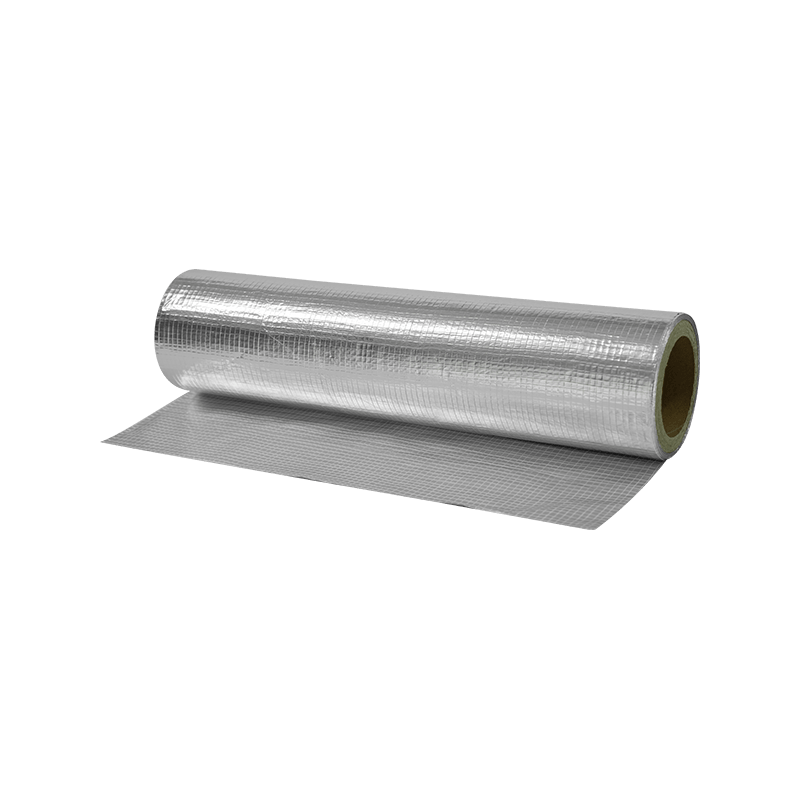
AL Scrim-Reinforced PET Triplex Film is industrial laminate composed of Aluminum Foil (AL), Reinforc...
See Details -
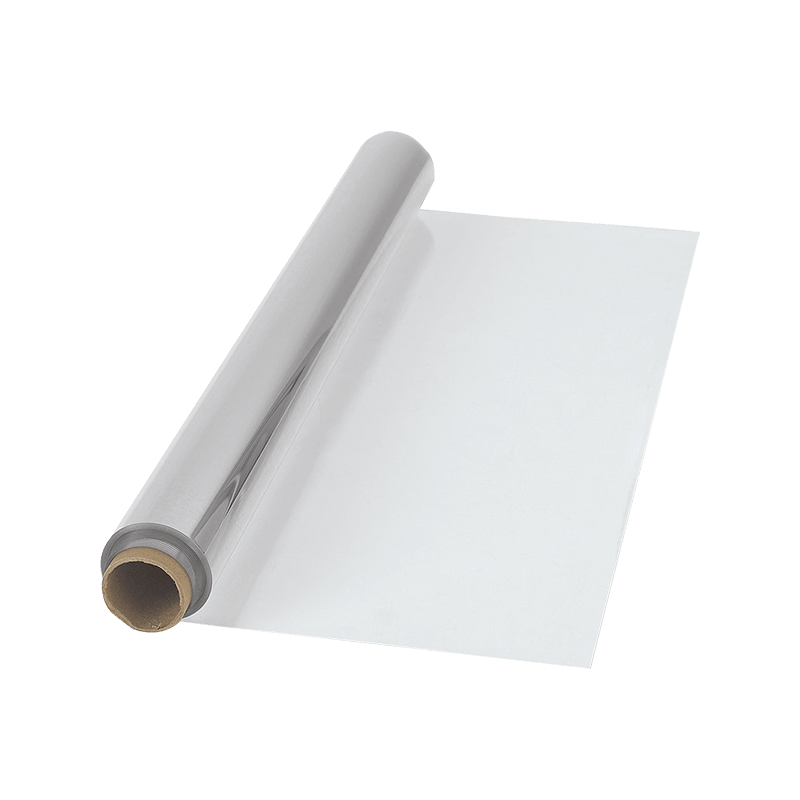
AL/PET/AL triplex film with a symmetric three-layer structure—featuring two aluminum foil (AL) layer...
See Details -
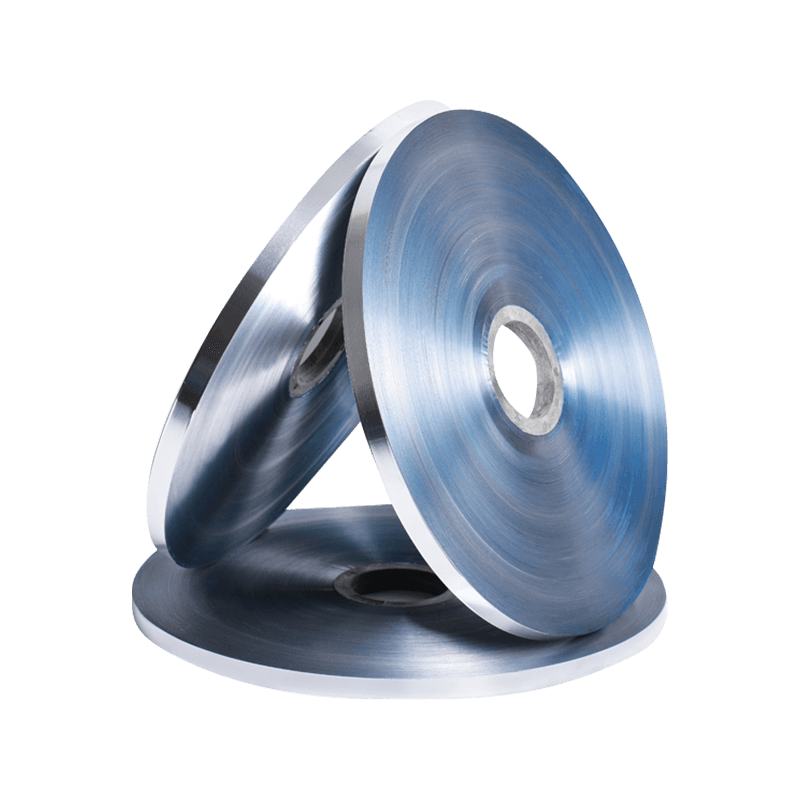
This advanced three-layer structure integrates the barrier and reflective properties of aluminum foi...
See Details -
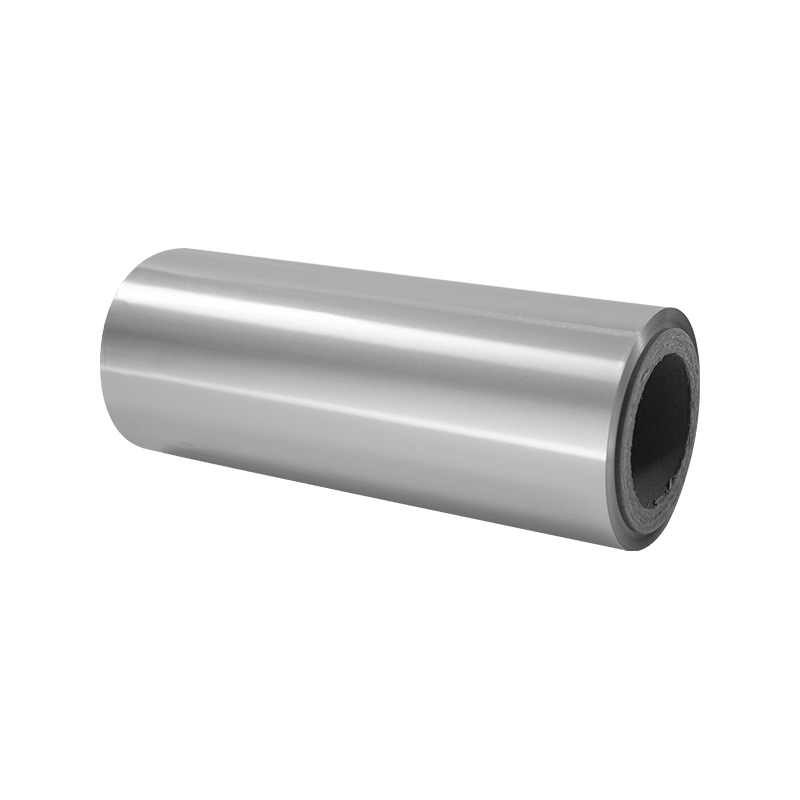
The four-layer composite film of PET/AL/PA/CPP combines four materials with distinct properties thro...
See Details